
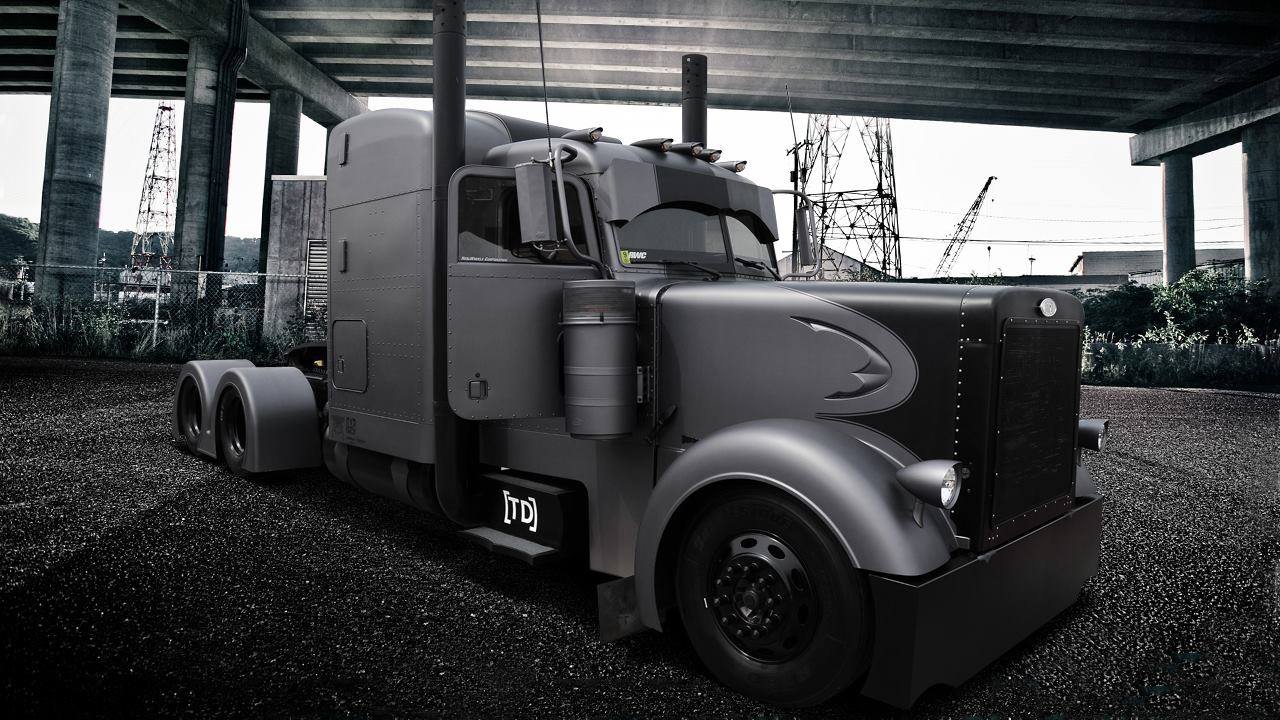
Maintaining an 18-wheeler is critical for ensuring driving safety, reliability, and longevity. Each season brings its own challenges, requiring specific maintenance to keep your big rig in top shape and to help avoid collisions. Here’s a guide to seasonal maintenance tips for 18-wheelers, and if you’ve been involved in a collision, consult with an experienced 18-wheeler accident attorney in Phoenix.
Spring maintenance tips
Spring is a crucial time to inspect tires and wheels. As temperatures rise, checking and adjusting tire pressure regularly is essential to prevent blowouts and uneven wear. Ensuring tires have adequate tread for wet spring conditions and checking wheel alignment to avoid uneven tire wear and improve fuel efficiency is also important. Additionally, checking fluids is vital during spring. Change the engine oil if it hasn’t been done recently and check for leaks. Ensure coolant levels are at the proper level, and the system is free from leaks or corrosion. Brake fluid should also be checked and replaced if necessary to maintain braking performance. Finally, inspecting brakes is essential. Check brake pads and shoes for wear and replace them if necessary. Also, look for any signs of damage or leaks in the brake lines.
Summer maintenance tips
During the summer, it’s essential to maintain the air conditioning system. Ensure the coolant levels are adequately charged and replace cabin filters to ensure proper airflow and cooling efficiency. The cooling system also requires attention. Check the radiator and hoses for leaks and cracks, and ensure the radiator is clean. Inspect and replace worn or damaged fan belts to prevent overheating. Additionally, battery maintenance is crucial in hot weather. Clean terminals to remove any corrosion and ensure connections are secure. Test the battery to ensure it’s holding a charge, as extreme heat can affect battery performance.
Fall maintenance tips
As fall approaches, the heating system becomes a priority. Inspect the heater core and hoses for leaks and blockages, and ensure the thermostat is functioning correctly to maintain cabin comfort. Lights and the electrical system also require attention. Ensure all headlights and taillights are working properly for shorter daylight hours, and check for any signs of wear or corrosion in electrical connections. Windshield wipers and washer fluid are essential for visibility. Replace worn wiper blades and ensure the washer fluid reservoir is full, using a fluid that can handle colder temperatures.
Winter maintenance tips
Winter brings its own set of challenges, starting with the engine and fuel system. Ensure the block heater is functioning to prevent cold start issues and use fuel additives to prevent diesel from gelling in extreme cold. Tires and traction devices are also crucial during winter. Consider using winter tires for better traction and carry tire chains, knowing how to install them properly. Antifreeze and the cooling system should be checked to ensure the system has the correct mix of antifreeze to water and that the radiator is free from debris and leaks. Lastly, an emergency kit is essential in winter. Carry a winter emergency kit including blankets, food, water, and a first-aid kit, along with tools for minor repairs and a shovel for snow removal.
General year-round maintenance tips
Regular inspections are vital throughout the year. Conduct thorough pre-trip inspections to catch potential issues early and adhere to the manufacturer’s recommended maintenance schedule. Cleanliness is also important; regularly wash the exterior to remove dirt, grime, and road salts, and keep the cab clean and organized to prevent distractions and ensure comfort. Keeping detailed records of all maintenance and repairs, as well as documenting all inspections and any issues found, is crucial for proper upkeep.
By following these seasonal maintenance tips, you can ensure your 18-wheeler remains in peak condition throughout the year, providing safe and efficient operation regardless of the weather. Regular maintenance not only prevents breakdowns but also extends the life of your vehicle, ultimately saving you time and money in the long run. Stay proactive and keep your big rig rolling smoothly through every season.








