
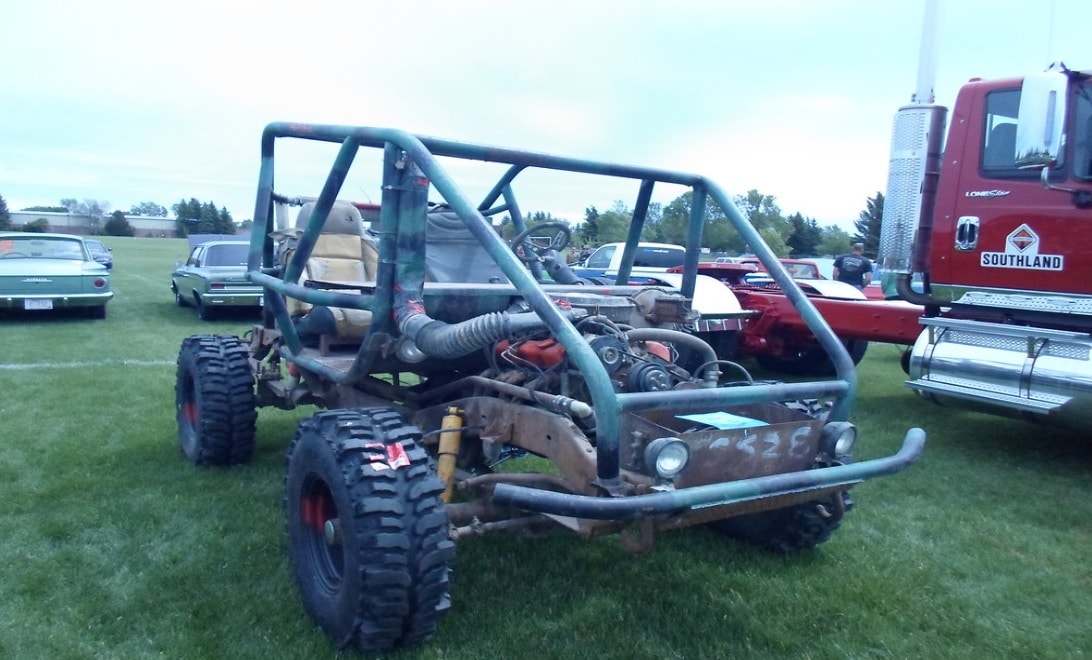
In the construction of truck roll cages, precision and technique are paramount. This guide delves into the various bending methods available, their advantages and disadvantages, and how to select the right one for your project. Understanding these techniques ensures safety, efficiency, and compliance with industry standards.
What are truck roll cages and why are they important?
Truck roll cages are structural frameworks designed to protect occupants in the event of a rollover or crash. Typically constructed from robust materials like steel, these cages are crucial in enhancing the vehicle’s safety by maintaining cabin integrity and protecting passengers from impacts and debris.
What materials are best for truck roll cages?
The choice of material for truck roll cages significantly affects their effectiveness and performance. Commonly used materials include:
- Steel: Highly durable and provides excellent protection but is quite heavy.
- Aluminum: Offers a lighter alternative with good strength, though less durable than steel.
- Chromoly (Chromium Molybdenum Steel): Exceptionally strong and lightweight but more expensive.
Considerations for material include:
- Strength
- Weight
- Cost
Common bending techniques for roll cages
Mandrel bending
This technique involves inserting a mandrel into the tube to support its shape during bending, preventing kinks and ensuring a smooth bend. It is particularly effective for tight radii and thin materials.
Pros: High precision, minimal deformation
Cons: Costlier setup, slower production speed
Rotary draw bending
This method uses a die set to shape the tube, ideal for consistent, repeatable bends. It is widely used for complex bends and series production.
Pros: Accurate and repeatable
Cons: Limited to predefined bend radii
Roll bending
Roll bending involves passing the tube through a series of rollers to achieve the desired curve. This method is suitable for large, sweeping bends.
Pros: Efficient for large radii
Cons: Less precise, potential for uneven bending
Compression bending
In compression bending, the tube is held between dies and bent around a form. This is a simpler and less expensive method.
Pros: Low cost, simple setup
Cons: Higher risk of cross-sectional deformation
How to choose the right bending technique for your roll cage
Choosing the correct bending technique involves several factors:
- Material: Different materials respond better to different bending processes.
- Cage design: The complexity of the design may require specific bending capabilities.
- Precision and cost: High-precision techniques tend to cost more.
Key decision points include:
- Material compatibility
- Required precision
- Budget constraints
Tools and equipment needed for bending roll cages
Essential tools for bending roll cages include:
- Tube benders: For precise bending
- Mandrels: To support the tube internally during bending
- Clamps and fixtures: To hold the material in place
Steps to bending tubes for roll cages
The process of bending tubes for roll cages involves:
- Preparing the tube and marking bend locations.
- Setting up the bending machine with the correct tools and settings.
- Performing the bend while monitoring for accuracy and deformation.
Advantages and disadvantages of different bending techniques
Mandrel bending
Advantages: Superior control, minimal wall thinning
Disadvantages: Higher cost, limited to certain tube sizes
Rotary draw bending
Advantages: Consistent bends, good for complex patterns
Disadvantages: Setup can be time-consuming
Roll bending
Advantages: Quick setup for large curves
Disadvantages: Less control over bend consistency
Compression bending
Advantages: Cost-effective for simple bends
Disadvantages: Prone to distortions and wrinkles
Common mistakes to avoid when bending roll cages
Common mistakes include:
- Not accounting for springback
- Using incorrect settings on the bender
- Poor material preparation
How do you ensure precision and accuracy in bending?
Maintaining precision involves:
- Regular calibration of bending machines
- Using high-quality tools and materials
- Following a strict quality control process
Best practices include:
- Thoroughly planning the bend sequence
- Conducting trials with similar materials
Safety precautions for bending roll cages
Safety tips include:
- Wearing appropriate protective gear
- Ensuring all equipment is properly maintained
- Keeping the work area organized and clear of hazards
How to test the strength and integrity of a roll cage?
Testing methods include:
- Stress testing under simulated conditions
- Visual inspections for cracks and deformations
Testing techniques:
- Load testing
- Impact testing
Regulations and standards for roll cage construction
Relevant regulations and standards help ensure roll cages meet safety requirements. Key standards include FIA and SFI specifications, which outline material, design, and testing criteria.
Alternatives to traditional bending techniques
Welding and press brake bending
Welding involves joining metal parts using heat, an alternative to bending for forming complex shapes.
Press brake bending for roll cages is a blend of art and science, requiring precision and attention to detail to ensure the safety and performance standards are met. This process is integral to constructing durable and reliable roll cages that comply with safety regulations and serve their protective functions effectively.
Pros: Allows for customized designs
Cons: Higher skill required, potential for weak joints
Pre-fabricated roll cages
Opting for pre-fabricated cages can save time and ensure consistency.
Pros: Quick installation, guaranteed to meet standards
Cons: Less customization, potentially higher cost
Conclusion
Choosing the right bending technique for a truck roll cage involves understanding the materials, techniques, and specific requirements of your design. By considering the pros and cons of each method and following best practices, you can ensure a robust and safe roll cage that meets both performance and regulatory demands.