
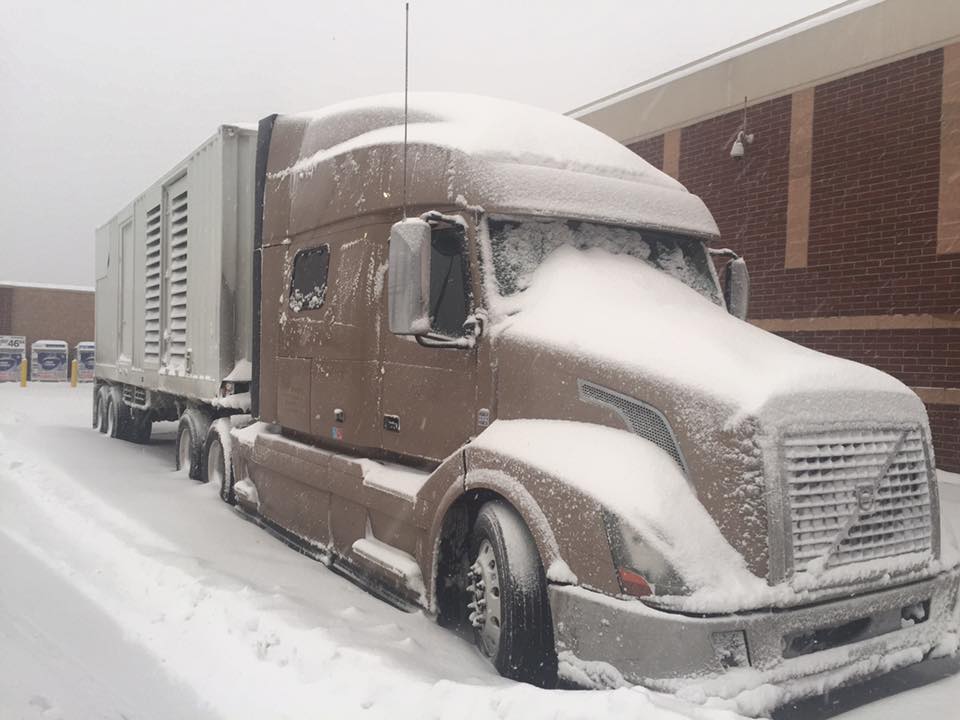
Weather awareness is paramount for truck drivers as it directly impacts road safety and transport efficiency. Truck driving operations can be severely disrupted by adverse weather conditions such as rain, snow, fog, and wind. Being prepared for these challenges is essential to mitigate the risks of big rig truck accidents and maintain delivery schedules.
Common weather conditions
Rain
Rain significantly reduces road visibility and increases braking distances, posing serious hazards for truck drivers. Hydroplaning, where tires lose contact with the road surface due to water buildup, is a common risk. To mitigate these dangers, drivers should reduce speed, maintain safe following distances, and ensure tires are properly inflated and have sufficient tread depth.
Snow and ice
Driving in snow-covered and icy conditions requires specialized skills and caution. Challenges include reduced traction, slippery roads, and limited maneuverability. Truck drivers should use snow chains when necessary, reduce speed, avoid sudden braking or acceleration, and be aware of black ice, which is particularly treacherous.
Fog
Fog drastically reduces visibility, making it difficult to see other vehicles, road signs, and obstacles. Truck drivers should use fog lights, maintain safe speeds, and avoid sudden maneuvers. Staying vigilant and using windshield wipers and defrosters effectively can improve visibility in these conditions.
Wind
Crosswinds and gusts can destabilize trucks, especially when driving at high speeds or on open highways. Drivers should maintain a firm grip on the steering wheel, reduce speed to improve control, and be cautious when passing large vehicles that may create wind tunnels.
Extreme weather events
Thunderstorms
Thunderstorms bring lightning hazards and heavy rainfall, which can lead to flash flooding and slippery road conditions. Truck drivers should seek shelter during severe thunderstorms, avoid flooded areas, and exercise caution on wet roads to prevent hydroplaning and skidding.
Tornadoes
Tornadoes pose extreme risks to truck drivers due to their destructive winds and unpredictable paths. Drivers should monitor weather alerts, seek sturdy shelter if possible, and avoid driving through areas under tornado warnings. Safety is paramount during tornado outbreaks.
Hail
Hailstorms can cause significant damage to vehicles, including shattered windshields and dented roofs. Truck drivers should pull over to a safe location, such as under an overpass or in a garage, to protect both themselves and their cargo from hail damage.
Seasonal considerations
Summer heat
High temperatures can lead to tire blowouts and engine overheating in trucks. Drivers should regularly check tire pressure and coolant levels, take frequent breaks to stay hydrated, and avoid driving during the hottest parts of the day when possible.
Autumn conditions
Fallen leaves create slippery road surfaces, especially when wet, posing challenges for traction. Truck drivers should reduce speed on leaf-covered roads, avoid sudden braking, and be prepared for increased stopping distances.
Spring thaw
Spring thaw brings melting snow and increases the risk of road flooding and mudslides. Drivers should monitor road conditions, follow detours if necessary, and be cautious of debris and unstable road surfaces caused by thawing.
Winter challenges
Winter presents numerous hazards including snowstorms, blizzards, and freezing temperatures. Truck drivers should equip vehicles with snow chains and antifreeze, carry emergency supplies such as blankets and food, and stay informed of weather forecasts and road closures.
Conclusion
Navigating through diverse weather conditions is an integral part of a truck driver’s responsibilities.
Safety should be considered equally whether drivers are on an interstate or in a rural area. According to the Federal Motor Carrier Safety Administration (FMCSA), fatal crashes involving large trucks often occur in rural areas and on Interstate highways. More than 54% of all fatal crashes involving large trucks occurred in rural areas, 27% occurred on Interstate highways, and 13% fell into both categories by occurring on rural Interstate highways
By understanding the challenges posed by rain, snow, fog, wind, and extreme weather events, drivers can take proactive measures to enhance safety and maintain efficient transport operations no matter where they are driving. Preparation, vigilance, and adherence to safety protocols are key to successfully overcoming weather-related obstacles on the road.
While weather conditions can present formidable challenges to truck drivers, proper preparation and awareness can mitigate risks and ensure safe travels throughout the year. By incorporating these insights into their daily routines, truck drivers can uphold their commitment to delivering goods reliably while prioritizing safety on the road.