
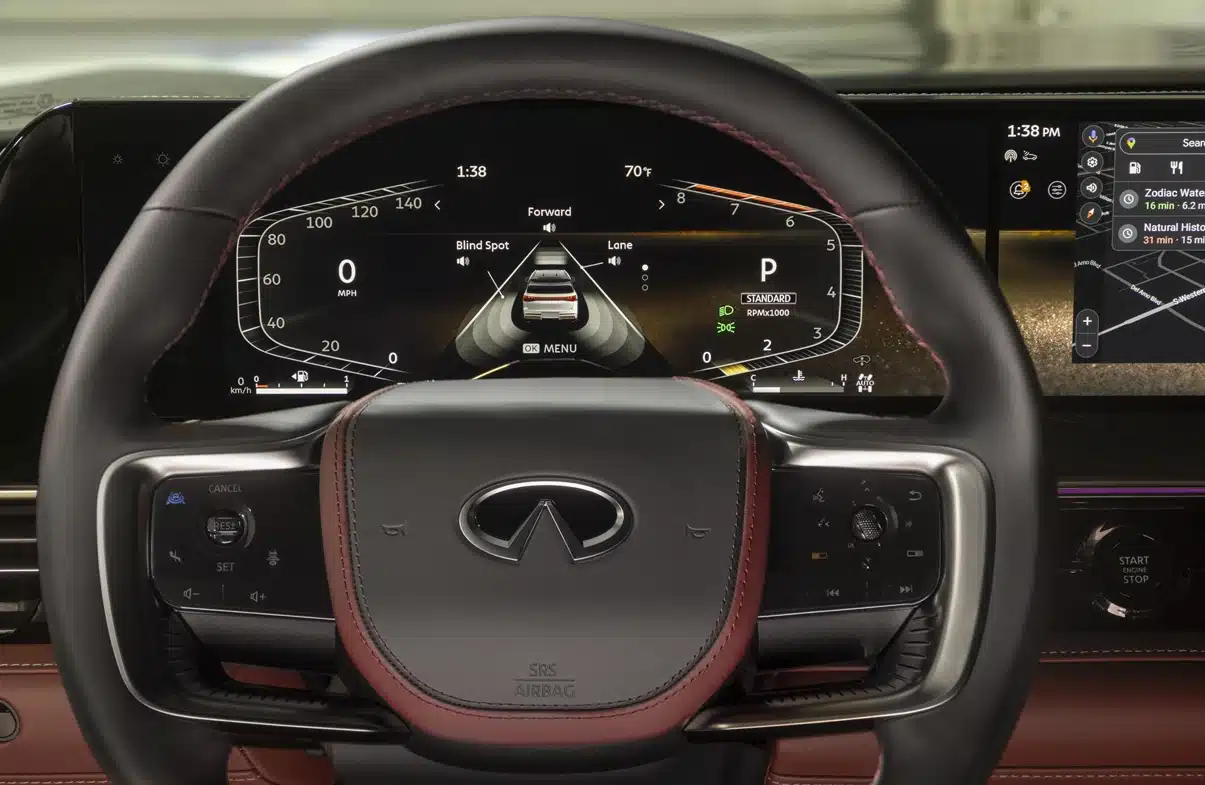
Most road incidents are attributed to unsafe driving. And while speeding and drunk driving immediately come to mind as the main culprits, distracted driving is far more of a concern than one might expect. In fact, the simple act of distraction while driving claimed 3,308 lives and caused around 289,310 injuries in 2022 alone.
Ending distracted driving requires proper driving behavior and the spreading accurate information. That’s why this April is “Distracted Driving Awareness Month” in the United States. In this blog, we will look at the most common forms of distracted driving, and talk about a few tips to keep you attentive and safe on the road.
Types of distracted driving
Distracted driving is any activity that takes your attention away from the primary task of driving. Some of these actions are considered “normal” driving routines or behavior by most, and include things like texting, talking on the phone, eating, talking to passengers, and adjusting temperature or radio levels.
The three types of driver distraction include:
- Manual: When you remove your hand from the wheel or slide your foot off the brake
- Visual: When you take your eyes off the road
- Cognitive: When your thoughts wander from the task of driving
Tips to avoid distracted driving
Ignore your phone
Smartphones have become an indispensable accessory in modern life. But when using a phone to speak or text, we shift our thoughts, and sometimes our eyes and hands, away from the task at hand. While this is okay in certain circumstances like sitting on the sofa, it is extremely dangerous when on the road.
Switch your phone off or put it on “do not disturb” before you enter your vehicle. Even a simple notification ping on your synced infotainment system is enough to distract. So use your phone only in emergencies, and even then, it is best to pull over just to be safe.
Pull over when possible
Speaking of pulling over, safe driving guidelines dictate that you should not do anything other than drive while on the road. If you want to check your location, don’t use a map or a navigation system while in motion. Instead, pull over and take your time.
Pulling over applies to eating and drinking as well, as these acts engage your hands and eyes. All it takes is a few seconds of distraction for a crash to occur, even at low speeds. Just find a parking lot or a safe space off the road to finish what you want to do before hitting that throttle once again.
Prepare beforehand
Prepping before starting your vehicle can even help you avoid distractions on the road. Start by ensuring that you have your infotainment set up just the way you want, as well as the navigation system. If you are traveling with kids or pets, ensure that they are buckled in, as they can be a dangerous distraction if they are bouncing around inside the cabin. Also, ensure that you eat something before you start driving. An empty stomach will have you thinking about food instead of the road ahead, and low blood sugar often results in road rage.
Keep calm on the road
While we’re on the topic of road rage, it’s worth remembering that emotions on the road are detrimental to concentration. Stifle feelings like overexcitement, anger, or disappointment, as they can overtake your thoughts. Keeping calm includes not getting distracted by what is around you, so pull over if you see something exciting and want to take a picture. Refrain from focusing on other drivers’ behavior and engaging careless drivers.
Use your passenger as a co-pilot
Multi-tasking while driving is dangerous. If you want to do something else in the car, you can ask your passengers for help. They can change music for you, set the air conditioner, and help you navigate. However, ensure that your passengers remember that you are driving and should avoid distracting you, for engaging them may take your mind off the road.
Spread the message about “Distracted Driving Awareness Month”
The state of Kentucky has attributed as much as 37% of accidents to driver inattention. Preventing these incidents by reducing distractions can save lives and prevent injuries, and together, we can end distracted driving risks by implementing the above. Make sure you focus your mind, hand, and eyes on driving. Now is the time to spread the word that April is “Distracted Driving Awareness Month” and educate others about avoiding distracted driving.