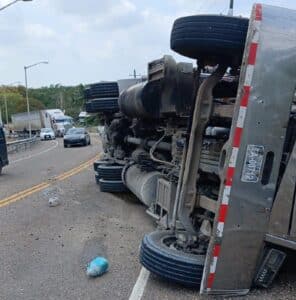
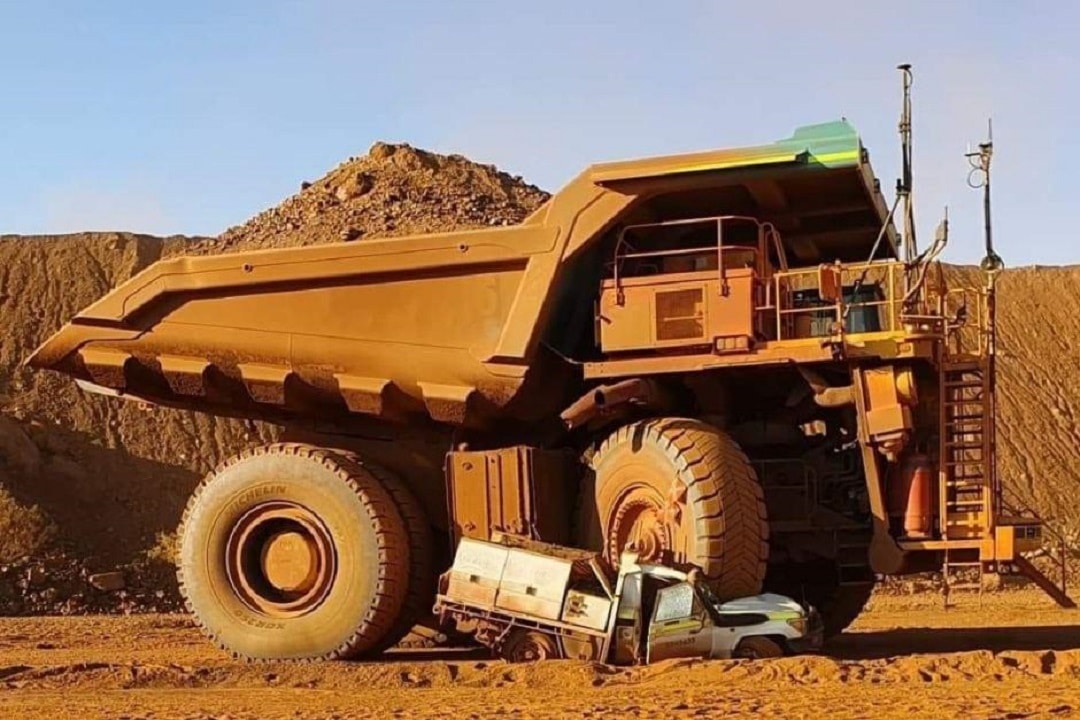
Trucking crashes can be caused by numerous factors, including drowsiness, insufficient training, and negligence. However, not all trucking crashes are caused by driver negligence. Sometimes they are a result of a mechanical failure which can lead victims to question liability.
The consequences of improper truck maintenance can be catastrophic even though they are oftentimes completely preventable.
Types of neglected truck maintenance
There are numerous ways neglected truck maintenance can lead to a crash. Below are a few types of truck maintenance errors:
- Engine/Transmission Failures: Neglected engine maintenance can lead to breakdowns or malfunctions, causing the driver to lose control of the vehicle or stall in dangerous locations.
- Tire Defects: Worn-out or improperly maintained tires increase the risk of blowouts, loss of traction, and rollover crashes, especially at high speeds or in adverse weather conditions.
- Brake Failure: Faulty brakes significantly impede a truck’s ability to stop or slow down, often resulting in rear-end collisions or jackknife crashes.
- Steering Malfunctions: Neglected steering systems can lead to difficulties in maintaining control of the vehicle, particularly during sharp turns or sudden maneuvers.
- Lighting Problems: Inadequate lighting due to neglected maintenance can reduce visibility, increasing the likelihood of collisions, especially during nighttime or adverse weather conditions.
How often should semi-trucks be serviced?
Regular maintenance is important for ensuring the safe operation of semi-trucks. While the frequency of servicing may vary depending on factors such as mileage, terrain, and usage, a general guideline is to have trucks serviced every 10,000 to 15,000 miles or every six months, whichever comes first. Additionally, pre-trip inspections should be conducted before every journey to identify any immediate issues that need addressing. The Federal Motor Carrier Safety Administration has its own set of regulations that dictate the specifics of servicing each truck.
What factors make a trucking company liable in a crash?
If a semi-truck causes a crash many factors can affect liability. Below are mechanical failures that can make a trucking company liable for a crash.
- Failure to Perform Routine Inspections: If a company fails to implement a proper maintenance schedule or neglects to conduct routine inspections, it can be held accountable for any resulting crashes.
- Ignoring Safety Regulations: Trucking companies are obligated to comply with federal and state safety regulations regarding vehicle maintenance. Non-compliance or willful disregard for these regulations can render them liable for crashes.
- Negligent Hiring or Training Practices: If a company hires inadequately trained drivers or fails to conduct thorough background checks, they may be liable for crashes caused by driver error resulting from insufficient training or qualifications.
- Improper Cargo Loading: Improperly loaded cargo can affect a truck’s balance and handling, leading to crashes. Trucking companies responsible for loading cargo may be held liable if negligence in this regard contributes to a crash.
Prioritizing truck maintenance
The consequences of neglected truck maintenance in crashes cannot be overstated. From engine failures to brake malfunctions, each oversight increases the risk of devastating collisions on our roads. Trucking companies must prioritize regular maintenance and adherence to safety regulations to mitigate these risks and ensure the safety of both their drivers and other road users. By doing so, we can work towards a transportation landscape where crashes resulting from neglected maintenance become a rare occurrence rather than a grim reality.