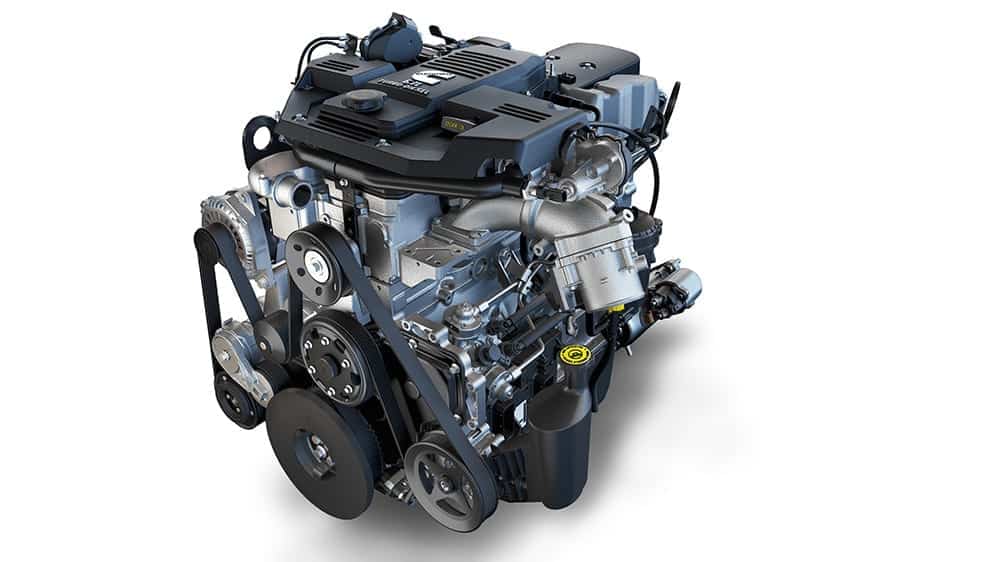
Operating a 6.7L Cummins diesel engine with a compromised intercooler boot can lead to a cascade of issues that may affect both the engine’s short-term performance and the long-term reliability of your Ram truck. In the short term, the primary concern is the potential for decreased engine efficiency and power output. As the intercooler is critical in cooling the compressed air from the turbo before it enters the engine, any leak or damage to the system can result in pressurized air escaping, which may cause the engine to run less effectively.
However, the long-term consequences of driving with a damaged intercooler boot can be considerably more severe, potentially leading to increased wear on engine components. Consistent operation of the intercooler in a 6.7 Cummins engine can compromise performance and may even accelerate the need for costly maintenance.
To ensure the longevity and reliable performance of the engine in your heavy-duty vehicle, it is crucial to promptly address any intercooler boot issues with quality replacement parts. There are several reasons why so many drivers opt to upgrade to a heavy-duty intercooler boot kit, and it all begins with the basics.
Key takeaways
- A compromised intercooler boot reduces engine efficiency.
- The long-term reliability of the engine may suffer.
- Prompt repairs with durable components are essential.
Short-term impacts of a compromised intercooler boot
When a 6.7L Cummins engine operates with a compromised intercooler boot can lead to immediate, adverse effects. These include detrimental impacts on engine performance, increased risk of engine damage, higher fuel consumption, and negative effects on the emissions system.
Decreased engine performance
A damaged intercooler boot can lead to a loss of boost pressure, which is critical for maintaining the engine’s air-to-fuel ratio. This decrease can cause a noticeable drop in power and torque, specifically during heavy loads and acceleration.
Potential for engine damage
The turbocharged system relies on the intercooler boot to keep the system sealed and functional. If it’s compromised, performance declines and there’s a heightened risk of components, such as the turbocharger and engine, being subjected to undue stress and premature wear.
Increase in fuel consumption
A 6.7L Cummins engine with a damaged intercooler boot may have to work harder to produce the same output, increasing fuel consumption. This results in higher costs for the diesel required to operate the vehicle, affecting the overall cost-effectiveness of running the engine.
Impact on emissions and diesel particulate filter
A compromised intercooler boot can cause improper air intake volumes, leading to incomplete combustion and increased emissions. This can lead to more frequent regenerations of the diesel particulate filter (DPF), which can shorten its lifespan and potentially increase repair costs.
Long-term impacts of a compromised intercooler boot
Operating a vehicle with a compromised intercooler boot can lead to several long-term issues, particularly for the Dodge Ram 2500 with the 6.7L Cummins engine. Prolonged use under such a condition affects performance and leads to increased maintenance and potential engine damage.
Longevity and reliability concerns
An engine’s longevity is directly tied to its parts’ integrity. For the 6.7L Cummins engine, a damaged intercooler boot can result in uncooled air entering the engine, leading to inefficient combustion and increased engine strain. Over time, this undue stress can weaken engine components and precipitate premature wear, thereby diminishing both the engine’s lifespan and reliability.
Ongoing maintenance costs
Compromised intercooler boots introduce the risk of frequent and costly repairs. For Dodge Ram 2500 owners, persistent problems with the intercooler system entail recurrent visits to the service center, elevating long-term maintenance costs. Additionally, when a weakened boot finally gives way, the sudden need for replacement parts, such as an intercooler boot kit, can incur an unexpected financial burden.
Permanent engine damage risks
Continued operation with a faulty intercooler boot increases the risk of permanent engine damage. Without appropriate charge air cooling, the intercooler 6.7 Cummins engine may experience pre-detonation or elevated combustion temperatures. These conditions can lead to critical damage to engine internals, such as pistons and cylinders, which is costly to repair, if not irreparable.
Conclusion
Operating a 6.7L Cummins engine with a damaged intercooler boot can lead to noticeable performance issues in the short term; these may include reduced power output, increased exhaust temperatures, and potential turbocharger strain. Over the long term, the consequences become more severe, risking prolonged component wear and possibly necessitating costly repairs. It is essential for the longevity and efficiency of the engine that any signs of intercooler boot compromise are addressed promptly.