
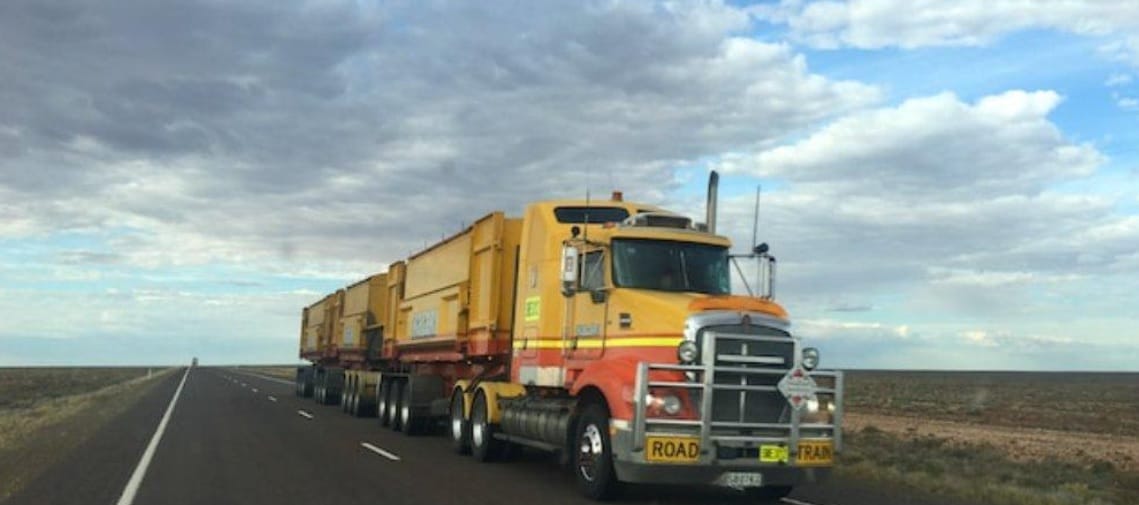
Despite all of the advancements in semi-autonomous automotive safety lowering the risk of collisions, trucking collisions present a unique set of challenges and legal intricacies owing to the sheer size and weight of commercial vehicles. In Texas, a state known for its extensive roadways, annual trucking accidents happen at an alarming rate, often leading to severe repercussions for those involved. Understanding the legal landscape in the aftermath of such crashes is crucial for seeking justice and fair compensation.
Differentiating car vs. truck claims
Truck crashes differ substantially from regular vehicle collisions due to their potential for extensive damage and severe injuries. Commercial trucks, with their colossal size and weight, pose heightened risks on the roads, amplifying the complexities associated with these incidents.
Additionally, trucking collisions pose distinct challenges compared to typical car crashes, largely governed by federal regulations that monitor drivers’ work hours and breaks. Compliance with these rules becomes pivotal in cases involving driver fatigue or violations of regulations. Moreover, special permits for certain cargo are crucial considerations, requiring validation of the trucking company’s licensing before initiating a claim. A Texas Truck Accident Lawyer can help evaluate these regulatory factors and determine whether violations contributed to the accident.
Steps to take after truck collisions
The Dallas truck accident lawyers at Mathias Raphael PLLC Accident & Injury Lawyers have the following checklist of steps to take if you are involved in a trucking collision.
- Report the incident
- Seek medical attention
- Gather evidence
- Hire a Dallas personal injury attorney
- Don’t post or talk about the incident
- Don’t accept a settlement from the insurance company without your lawyer
- Focus on your recovery
By following these steps you ensure your safety and help build a strong case to maximize your recovery.
Navigating truck claims
Delving into truck crash claims demands meticulous care, especially when determining fault. These cases are intricate, and establishing liability for damages is paramount.
To substantiate your claim, proving the defendant driver’s negligence becomes essential. It involves demonstrating their duty of care while operating a commercial vehicle and highlighting any lapses that contributed to the harm caused. Typically, the responsibility falls on the driver’s employer or the truck company rather than solely on the driver due to the nature of truck ownership by large corporations.
The imperative role of documentation
When filing a claim post-truck crash, comprehensive documentation becomes your strongest asset.
Gather evidence such as:
- Witness testimonies
- Photographic evidence from the crash scene
- Any proof elucidating the liable party’s negligence
- Medical records detailing injuries sustained
An attorney can help assist you in the process and work to gather any relevant evidence to build a strong case so you can get the compensation you need and deserve.
State-specific laws in Texas
State laws governing truck crash claims vary greatly. These laws about personal injury cases involving commercial vehicles vary significantly from one state to another.
In Texas, some of these truck laws include:
- Maximum Weight Limits: In Texas, commercial trucks have specific weight limits. For instance, single-unit trucks cannot exceed 20,000 pounds per axle, and the maximum weight for a tandem axle is 34,000 pounds. There are also regulations on overall vehicle weight.
- Hours of Service (HOS): Texas adheres to federal regulations stipulating the maximum hours a commercial truck driver can operate without rest. Drivers are required to follow HOS rules to prevent driver fatigue, reducing the risk of accidents due to drowsy driving.
- Vehicle Inspections: Regular vehicle inspections are mandatory in Texas. Trucking companies must ensure their vehicles comply with safety standards outlined by the Texas Department of Public Safety (DPS).
- Insurance Requirements: Texas requires commercial vehicles to carry specific insurance coverage. Trucks involved in interstate commerce are subject to minimum insurance requirements set by the Federal Motor Carrier Safety Administration (FMCSA).
Knowing the nuances of Texas laws and how they apply to truck collisions helps in navigating legal proceedings effectively.
Seeking professional counsel
Considering legal action post-truck collision doesn’t have to be a solitary endeavor. Seeking guidance from legal experts before proceeding is a prudent step. Consulting a skilled legal professional ensures a comprehensive understanding and exploration of all potential avenues to pursue justice, regardless of whether fault has been determined. Partnering with a legal ally empowers you to seek fair resolution in such complex cases.








