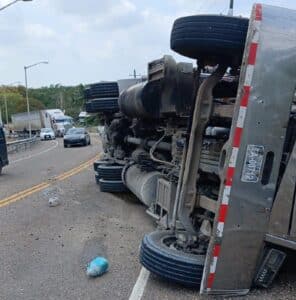

If you thought learning how to drive, memorizing road safety rules, researching vehicle safety ratings and obtaining a driver’s license were the only things required prior to purchasing your first truck or SUV, think again.
Take car insurance as a prime example. Young drivers tend to have the toughest time obtaining good coverage, especially when a parent or guardian is not able to extend their coverage plan. Not having any credit, or a bad credit record almost always translates to heftier car insurance rates.
Today, we’re going to discuss how to get better car insurance rates even if you are just beginning to build credit or are an experienced driver with bad credit.
Why is car insurance mandatory?
All states in the U.S., save for the insurance-exempt state of New Hampshire, require car insurance. All over the country, active car insurance policies must be placed every time there is a new-vehicle purchase.
So, no, it’s not optional (except in N.H.). And yes, there’s a really good reason why the government requires this kind of coverage. Driving comes with risks no matter how careful of a driver you may be, for not all incidents are avoidable. Extensive knowledge of road safety isn’t a guarantee either, and accident-related damages tend to cost a pretty penny.
That’s where car insurance comes in. Liability insurance provides funding to cover damages in case your car is involved in an accident, with the amount of car insurance required varying per state. Other factors that must be taken into consideration are the form of car ownership, as leasing and owning a vehicle can incur different insurance policies with varying costs.
Credit rating impacts car insurance rates
Records of speeding tickets, accidents and DUIs can all impact your car insurance rates, too. If you’ve been involved in any of these, a higher premium will likely be implemented. But did you know that your insurance rates could increase by up to 76% per year if you have a bad credit rating? Bad credit incurs a heavier impact on your insurance rates than a speeding ticket, accident or even a DUI.
To provide some perspective, insurance rates go up only by 21% if you have been penalized with a speeding ticket. It rises all the way up to 41% after you’ve been involved in a road accident in which you are at fault. And finally, if you’ve been found guilty of DUI, insurance rates go up by up to 74%. That’s a full 2% below a poor credit rating score!
But what does bad credit have to do with driving? Well, according to some studies, drivers with bad credit are more likely to file claims than drivers with good credit history. Therefore, they tend to be considered high-risk. This explains why insurance companies prefer to impose heftier premiums on these individuals.
How to get cheaper car insurance if you have bad credit
Credit history is just one of the factors that auto insurance companies consider when calculating their quotation. But there are steps you can take to obtain a cheaper premium.
Additionally, for those who desperately need coverage right away and are concerned about funding, taking the safe route, and opting to apply with CreditNinja online for a personal loan might be the best way forward.
Improve your credit rating
While this may help lower insurance rates, improving one’s credit rating tends to take additional steps.
For example, you can set up automatic payments on many bills so that you never miss due dates. Paying bills well ahead of a deadline can improve a credit score in impressive increments. This is because you are demonstrating your determination to fulfill financial obligations, and are working toward achieving a credit score of at least 670. Typically the higher that credit score, the cheaper the car insurance rates will become over time.
Check eligibility for discounts
It doesn’t hurt to ask an insurance broker or a customer service representative at the company itself whether you are eligible for discounts. For instance, some companies that commit to supporting sustainable practices may offer discounts to clients who opt for paperless transactions.
If you make a one-time full payment, you may be eligible for discounts as well. So, inquiring about all-in-one insurance package offerings, like home and car insurance bundle is never a bad idea. Bundles like this usually come with long-term savings.
Remove unnecessary features in your current policy
Take the time to review your current insurance policy. Does it cover your basic needs? If it does, then that’s typically more than enough. But if there are excess add-ons, you may just be overpaying.
Prove your credibility as a driver
Did you know that you can sign up for a usage-based auto insurance program? When you sign up for usage-based auto insurance, the company will consistently review your driving capabilities and routine usage of the vehicle in question. Your driving score will determine what your coverage costs will entail. The better the score, the bigger the discount on that premium. Car insurance companies will even offer incentives that crest 40% in the discount department for those who can prove that they are excellent drivers.
Compare rates from several trustworthy auto insurance companies
Just like shopping for new tires, you can always compare your available package options from different auto insurance companies to see what suits you and your needs best. Take advantage of tough competition among the many car insurance companies, as they will always aim to gain ground with new clients. So take your time, and create a list of options that can help you compare rates on an in-depth level.
Additionally, if you cross-research insurance companies that don’t review credit scores on a traditional level, it may be easy to find the right one for your specific needs.
You can obtain good auto insurance rates with bad credit
Most car insurance companies review credit scores when deciding what a particular premium will run.
Fortunately, there are practical steps you can take to obtain better rates, even with a bad credit rating. Proving that you are a good driver while paying your bills on time, and researching discounts can all help a ton. Ultimately, driving smart and safe, while working your way toward a better credit score is the key to affordable car insurance.