
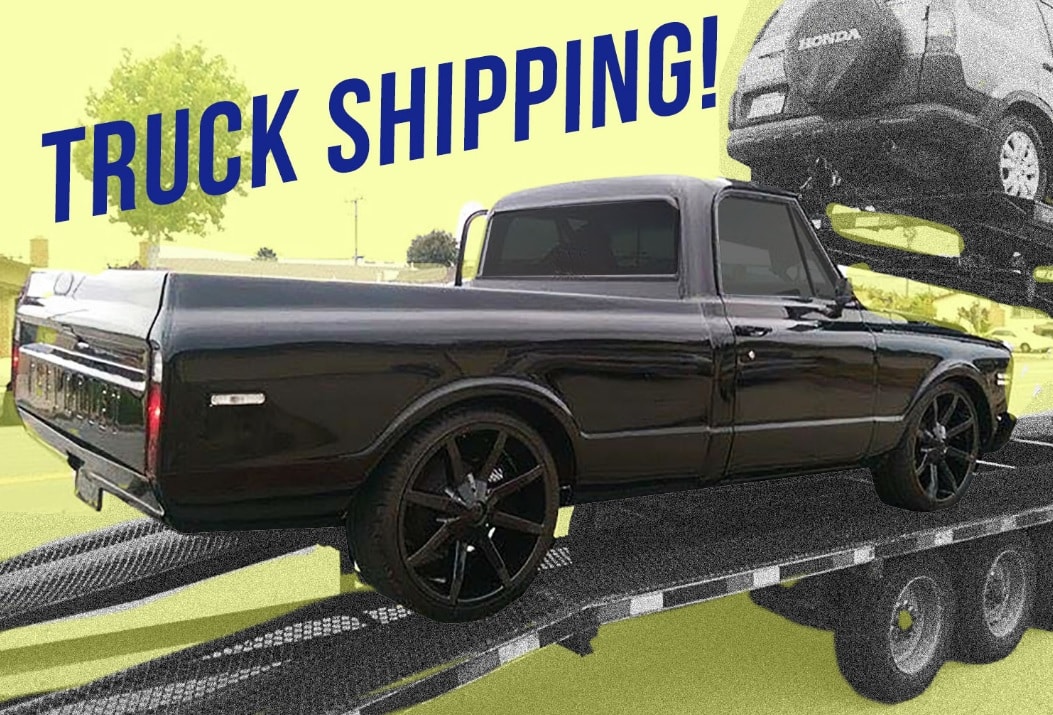
Your pickup truck is important to you, and it’s more than likely a part of your daily life. May it be your workhorse, off-road warrior truck, or just a pavement princess, we understand the importance of making an informed decision about the well-being of your rig. When it comes to shipping your truck, whether it’s across state lines or from coast to coast, choosing the right auto shipping company is the name of the game.
Here’s your detailed Pickup Truck Talk comprehensive guide to navigating the seas of auto shipping.
1. Do your research
First things first: Research is key. Start by looking up reputable auto shipping companies that specialize in handling trucks. Search our forum to see if anyone has any recommendations. Check out customer reviews on platforms like Trustpilot and Google. Remember, it’s not just about positive reviews but also how a company responds to and resolves any negative feedback. It’s proven that companies that actively engage with their customers and address issues are often more reliable.
2. Disclose modifications
Although it may be tempting to pull one over on the truck shipping service by not mentioning you have that 6-inch lift and monster mud tires, this can work against you. The way auto shipping companies give quotes is by using the stock version of your vehicle. Meaning if you get an automated quote and don’t mention your truck has specific mods, you could end up with a delay due to the truck being too large to fit on the carrier or too heavy. The bigger, heavier, and wider your truck is, the more it will cost to ship. You will have to get repriced and wait for pick up again, or worse, pay a fee to the carrier that was expecting to get a vehicle that day.
3. Compare quotes
Once you’ve shortlisted a few reputable shipping companies that specialize in trucks, it’s time to get truck quotes for your truck. Don’t just settle for the first quote or the lowest quote you receive. Auto shipping costs can vary significantly based on factors like the distance, the size of your truck, and the level of service (open vs. enclosed transport). Use online quote tools for a quick comparison but don’t hesitate to call and discuss your specific truck for a more accurate price.
4. Verify licenses and insurance
Before you make your choice, ensure that the transport company that can ship your truck is licensed and insured. Auto transporters are required to be registered with the Federal Motor Carrier Safety Administration (FMCSA). You can verify their license on the FMCSA website using their Motor Carrier (MC) number. Additionally, inquire about their insurance coverage. Understand what is covered and what isn’t, so you’re not caught off guard in case of an incident.
5. Understand the delivery options
Shipping a truck isn’t a one-size-fits-all deal. Most companies offer door-to-door or terminal-to-terminal delivery for trucks. Door-to-door is more convenient but might be pricier. On the other hand, terminal-to-terminal may require you to drop off and pick up your truck at a specified location but could save you some money. Evaluate what works best for your situation and budget.
6. Prepare your truck for shipping
Once you’ve chosen a company, it’s time to prepare your truck for shipping. Remove personal items and any custom accessories that could be lost or damaged. Make sure to document the condition of your truck before it’s loaded onto the carrier. Take photos and note any existing damage. This will be invaluable in case you need to file a claim.
7. Stay informed
A good auto shipping company that is qualified to transport your truck will keep you informed throughout the process. Ask about their tracking options. Some companies offer real-time tracking via their website or an app, while others might provide updates through email or phone. Knowing where your truck is during the shipping process will provide peace of mind.
Conclusion
There are a lot of choices out there, however by doing some research on the right truck shipping company, being upfront about your truck and its modifications, and comparing the quotes you get from reputable companies, you’ll be transporting your truck like a pro.
Remember, the cheapest option isn’t always the best option. Prioritize reliability and quality of service to make sure your truck arrives safely at its destination.








