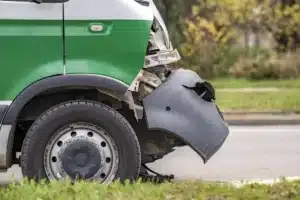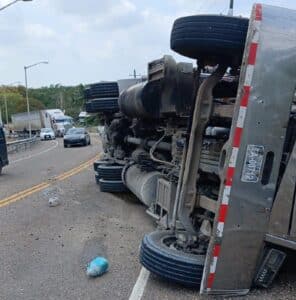
Car crashes are unfortunate events that can happen to anyone while driving. Whether it’s a minor fender bender or a more serious collision, taking the overland approach, and being prepared for any sort of situation can make a significant difference in how you handle a roadway incident.
An important aspect of being prepared is ensuring that you have the necessary items in your vehicle to assist you in the event of a crash. From ensuring your safety to documenting the incident, here are some of the most important items you should always keep in your vehicle in case a collision occurs.
Important items to always have on hand in your vehicle
First aid kit
A well-stocked first aid kit is essential for attending to any injuries sustained during a crash. It should include items such as bandages, antiseptic wipes, gauze pads, adhesive tape, scissors, and pain relievers. Even minor cuts and bruises should be treated promptly to prevent infection and alleviate discomfort.
Emergency triangles or flares
In the event of a collision, especially on busy roads or highways, it’s important to alert other drivers to the hazard ahead. An emergency triangle or flares can be placed a safe distance behind your vehicle to warn oncoming traffic and help prevent further damage.
Fire extinguisher
Car fires can occur after a crash due to fuel leaks or electrical problems. Having a fire extinguisher in your rig can help you quickly contain small fires before they escalate and cause significant damage.
Blanket and warm clothing
Collisions can leave you stranded for extended periods, especially in adverse weather conditions. Keeping a blanket and warm clothing in your car can provide comfort and protection against the cold while waiting for help to arrive.
Flashlight with extra batteries
Since a car crash can happen at any time, including at night or in poorly lit areas, a flashlight can help you assess the damage to your vehicle and locate important items in the dark. Make sure to have extra batteries on hand to ensure your flashlight remains operational when needed, or if it is rechargeable, make sure it remains fully charged.
Notepad and pen
Documenting the details of a crash is essential for insurance claims and legal purposes. Keeping a notepad and pen in your vehicle to jot down important information such as the other driver’s contact and car insurance information, license plate numbers, and witness statements is crucial. You cannot bank on your smartphone surviving the crash, so best to have a backup option.
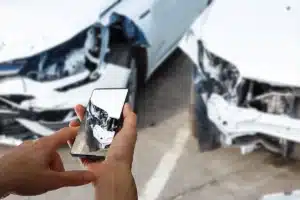
Disposable camera or smartphone
While most people carry smartphones equipped with cameras, it’s still a good idea to have a backup option in case your phone is damaged or out of battery.
A disposable camera can be kept in your glove compartment for capturing photos of the crash scene, vehicle damage, and any relevant road signs or landmarks.
Emergency contact information
In the event of a serious crash, where you are unable to communicate, having emergency contact information readily available can be lifesaving. Consider keeping a card in your wallet or glove compartment with important contact numbers, such as family members, friends, and your healthcare provider.
Insurance and registration documents
It’s important to have your insurance card and vehicle registration documents easily accessible in your vehicle at all times, especially when navigating bustling traffic. These documents will be required when filing an insurance claim or dealing with law enforcement at the scene of a crash.
Basic tools
A small toolkit containing essential tools such as a wrench, screwdriver, and pliers can be invaluable for minor repairs or adjustments following an incident. Additionally, duct tape and cable ties can temporarily secure loose parts or damaged components until professional help arrives.
Water and non-perishable snacks
Being involved in a collision can be stressful and exhausting, especially if you’re stranded for an extended period. Keeping bottled water and non-perishable snacks like granola bars or nuts in your car can help keep you hydrated and nourished while waiting for assistance.
Emergency cash
In some situations, you may need cash to pay for towing services, transportation, or other unexpected expenses. Keep a small amount of emergency cash in your car for emergencies when credit cards or electronic payments are not an option.
What happens after you are in a car crash?
Determining whether you need a car accident lawyer after a collision can be a crucial decision, especially if the incident results in significant damages or injuries.
While minor incidents may not require legal representation, more complex situations, such as disputes over fault or liability, can benefit from the expertise of a Nashville car accident attorney. If you or any passengers have sustained injuries, if there are disagreements with insurance companies regarding compensation, or if the crash involves multiple parties, consulting with a lawyer may be advisable.
Additionally, if you anticipate facing legal action or if the other party has already retained legal counsel, it’s essential to seek your own representation to protect your rights and interests. A qualified attorney can provide valuable guidance, negotiate on your behalf, and help navigate the legal complexities of your case, ultimately ensuring that you receive the compensation and resolution you deserve.
Wrapping up
Being prepared for a car collision is essential for every driver’s safety and peace of mind. By ensuring that you have the necessary items in your car to handle accidents effectively, you can mitigate risks and navigate challenging situations with confidence. From first aid supplies to emergency tools and documentation, each item plays a vital role in safeguarding yourself and others involved in a roadway incident.
Additionally, knowing when to seek legal counsel after a crash can help protect your rights and interests, particularly in more complex scenarios. By staying informed, prepared, and proactive, drivers can better handle these sorts of incidents and minimize the impact they have on their lives and those around them. Stay safe on the roads, and remember to keep these essential items in your vehicle at all times.