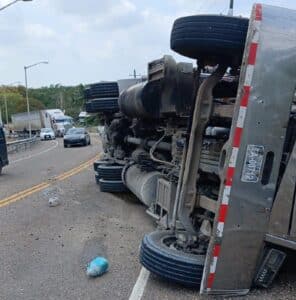
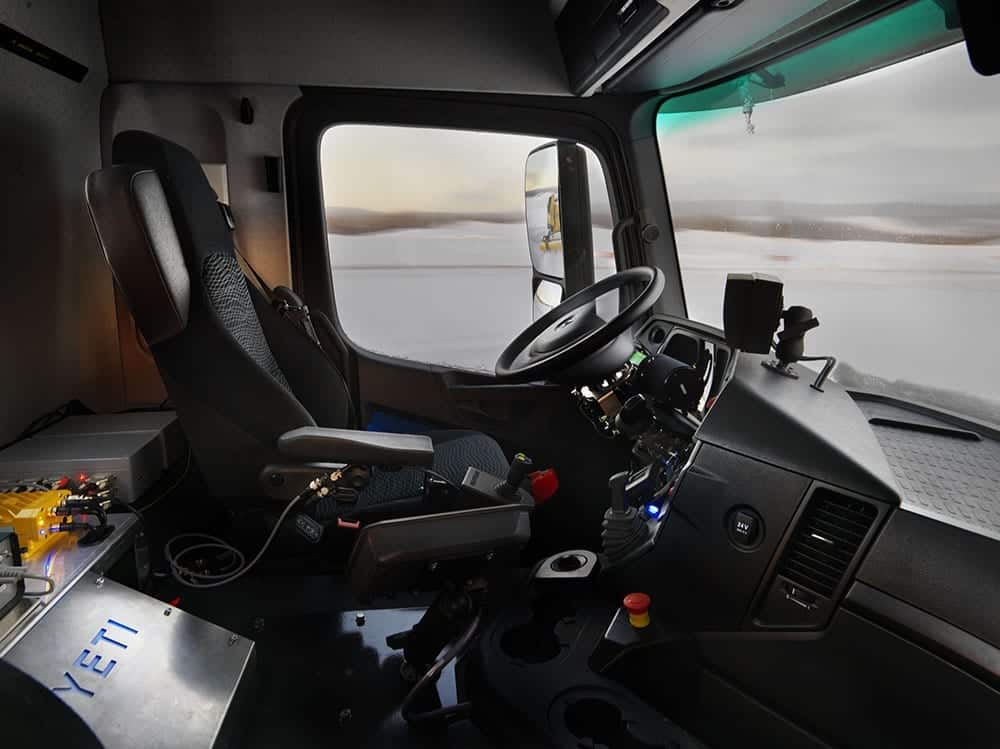
As we enter the cold and gloomiest part of the winter season, keeping fleet operations safe is crucial, even well after the holiday season ends. Driving a truck in winter in a northern state like Virginia can be risky and requires special skills to reach your destination safely.
Navigating a truck or semi-truck through winter snow requires more than just paying attention and some skill behind the wheel. This list of essential winter driving tips designed to prioritize safety during the snowy season will help provide some key considerations for any truck driver.
Prepare beforehand
Preparing for winter driving involves strategic planning and an emergency kit for added safety during your travels. Winter weather can be unpredictable, and emergencies may arise, making extra preparation essential. Here’s a list of key items we recommend including in your emergency kit:
- Back-up cell phone battery banks/chargers: Ensure these are charged and ready to use if you have no other means to recharge your cell phone.
- Non-perishable food items: Stock up on canned food or freeze-dried foods for a reliable source of sustenance.
- Snow chains: Carry a minimum of 4 chains, especially if you’re driving in areas with chain laws, such as Colorado.
- Extra water: Consider both gallon jugs and packs of water bottles for hydration options, as each has pros and cons.
- Electric lanterns and/or flashlights: Ensure you have a reliable light source if you are stranded at night.
- Open flames: While open flames can be unsafe inside a semi-truck, having matches and candles for extreme emergencies when stranded outside can be beneficial.
- Extra road flares: Increase emergency visibility by having more than the minimum required road flares.
- Back-up sleeping bag/blankets: These can be invaluable on extremely cold nights, and carrying hand warmers for freezing temperatures is advisable.
- Radio: A battery-powered CB radio and a backup handheld CB radio remain primary communication tools for truck drivers, especially in emergencies.
Regularly inspect your truck
Conducting winter inspections for your truck requires some adjustments to your regular checks. It’s essential to thoroughly examine various components to ensure optimal performance during cold weather. This includes checking the wear, pressure, and balance of your tires, assessing the power and charging system of the battery, making sure wiper blades are operational and free from snow and ice, maintaining fluid levels, confirming the functionality of all lights, ensuring the exhaust pipe is clear of snow, and verifying the effectiveness of defrosters.
Daily paper-based walk-around checks can become more challenging in cold conditions. To address this, consider transitioning to a digital forms app. This streamlines the process and eliminates the risks associated with wet or damaged paperwork, deciphering illegible handwriting, and the need for administrative support to input information into a system.
Keep warm clothes
Dressing appropriately for winter truck driving involves strategically using layers to ensure warmth and comfort. Pack truckers caps, sweaters, hoodies, or anything to keep you warm.
Managing moisture is paramount, as wet skin or damp clothing can expedite heat loss by transferring warmth from your body to the water in your clothes or skin.
To counteract this, it’s advisable to wear a waterproof outer layer, choose thick materials like wool socks and sweatpants for insulation, and incorporate a moisture-wicking base material such as under armor.
Stay attuned to your body’s temperature and adjust your layers accordingly. Moreover, be vigilant about removing excess layers if you feel too warm to prevent sweating, as exposing yourself to freezing temperatures while perspiring can lead to rapid heat loss.
Consider road conditions
Adapt your driving to the winter road conditions, ensuring that you travel at a safe and appropriate speed for challenging weather. Check that your truck is adequately equipped for diverse driving scenarios and exercise caution, especially in poor visibility and road conditions.
It is imperative to respect advice from the dispatcher during challenging circumstances. As the captain of your truck, trailer, and load, take on the responsibility and make informed decisions, such as choosing to park if conditions become excessively difficult. Acknowledge your limitations, prioritize safety, and actively contribute to the well-being of both yourself and others sharing the road. Keep in mind that safety is the foremost consideration in all situations.
Monitor tire spray
Pay extra attention to the tire spray generated by vehicles around you as a straightforward and practical way to assess the current road conditions. This technique proves especially beneficial in predicting the potential freezing of roadways following a rainstorm.
Observing a considerable amount of water spray indicates wet roads, while a sudden reduction in spray signals the beginning of freezing conditions. This awareness empowers you to take proactive safety measures when it becomes evident that ice formation is likely underway, ensuring a more cautious and secure approach to driving in challenging weather conditions.
Make wise use of your turn signals
Truck drivers should follow a simple rule when navigating lane changes in winter conditions i.e., to activate your turn signal for four or five blinks before smoothly transitioning into the next lane. There is no need to match the speed of surrounding drivers. If you take extra precautions on winter roads, maintain a controlled speed and utilize your hazard lights. This signals to fellow road users that you’re proceeding more cautiously. Being mindful of these steps contributes to a safer winter driving experience.
Pull over when in doubt
When you’re unsure, it’s best to pull over. Driving a truck in snowy conditions is always risky. Stopping and waiting is safer if the road has yet to be treated or plowed. If the weather is bad, you can call ahead to change the delivery time. It’s better to reschedule or arrive late than to risk a crash.
Always prioritize your safety. If you see any dangerous road signs, find a safe parking place until the conditions improve. If you unexpectedly encounter an icy road, don’t use your brakes. Let your truck slow down naturally. Slowing down sooner is better. Driving slower reduces the chance of the trailer sliding or jack-knifing. If you must use the brakes, press them gently and pump them while watching the trailer’s angle to avoid sliding.
Use evasive maneuvers
At times, it’s more effective to maneuver than to brake abruptly, especially on snowy roads. If your speed hovers between 25-30mph, think about slowing down and navigating around obstacles to prevent a crash.
Exercise caution when getting in and out of your truck
Although it may sound straightforward, truck drivers often need help with miscalculating the slipperiness of their vehicle’s steps. Take your time, and wear boots with sturdy traction to minimize the risk of slipping and injury. And, when visibility is poor, remember your high-visibility vest!
Rest up regularly
Be aware of the right time to put a pause on your journey. When winter conditions reach a point where driving becomes hazardous, it’s essential to find a suitable truck stop.
Avoid pulling over on the hard shoulder whenever possible, as it significantly increases the risk of crashes. Choose a gas station or any 24-hour establishment where you can park safely and wait until visibility improves. Taking such precautions ensures a safer approach to navigating challenging winter conditions.
Be safe during the winter season
As the demand for skilled truck drivers continues to grow, especially during winter, companies are increasingly seeking drivers who are experienced in navigating snowy and icy roads and committed to maintaining high safety standards. This highlights the importance of specialized training and experience in winter driving, making it a valuable asset for truck drivers seeking employment in regions with harsh winter conditions.
The winter season poses significant challenges for truck drivers, and we want to provide you with helpful tips to ensure your safety on the road. Prioritizing safety is crucial in the trucking industry, especially during winter. Exercise caution in all situations, considering that no shipment is worth jeopardizing your well-being.
In addition to the guidance in this article, consider seeking advice from seasoned truckers with extensive experience navigating winter conditions. Above all, prioritize safety, and may you have a safe and successful winter driving season.