
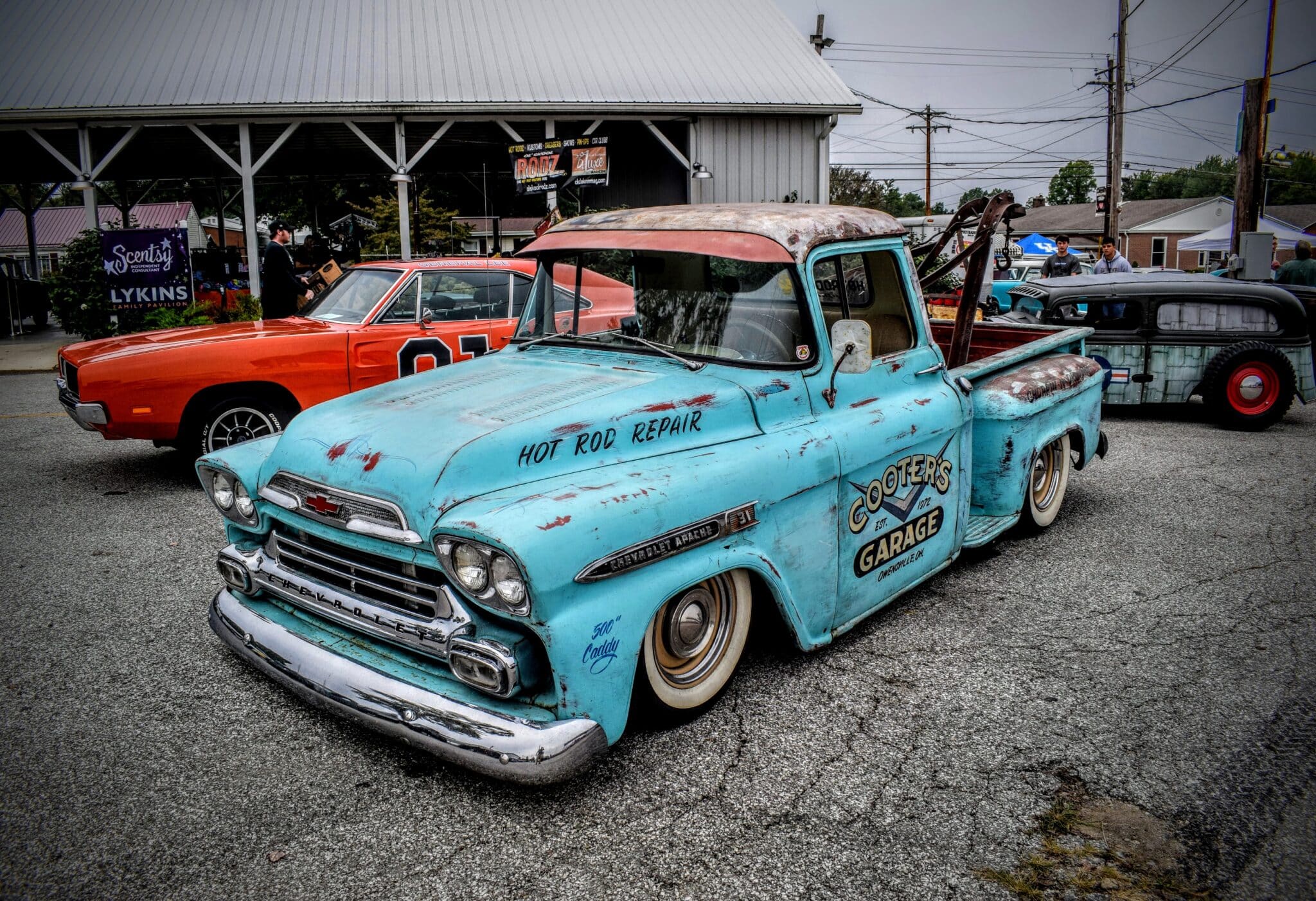
If you can’t afford a new or used truck or SUV, getting a salvage vehicle is a pretty good alternative. However, these cars have been through some rough patches, so there are certain factors that you must consider before scouting for salvage cars for sale.
In this article, we’ll be showing you how you can get your money’s worth when trying to get a salvage car, and what to watch out for when shopping around.
Vehicle history
Before taking a salvage car home, you must know where it has been and what it has gone through. Knowing the history of the salvage vehicle will give you a better understanding of what you’re getting yourself into before you buy. This way, you are not caught by surprise when something goes wrong down the line.
A vehicle history lets you know the previous owners, accident history, reasons for damage, and repairs that have been done. Ensure that you thoroughly assess the vehicle history before making any payments. You can always get the history of a salvage car with its VIN.
Access to a professional inspector
When it comes to buying a used automobile of any kind, inspection is super important. For cars that have been considered a total loss by an insurance company, you’ll need a professional inspector to help you do the evaluation.
Professional inspectors have more understanding of mechanics and can help assess the vehicle, let you know its current state, and give expert predictions on potential troubles and additional costs you might face over time. Before purchasing a salvage vehicle, ensure that you have a professional inspector available to help, as they will help you get the best value for your money.
Financing
Strictly adhering to your budget is crucial when considering a salvage vehicle. While they can be affordable, you could be at risk of overspending or putting yourself in debt if you let your budget determine what vehicle you’ll be buying.
Most salvage cars don’t need financing, for they often truly are that affordable. But if you want to make things easier for yourself and opt in for external financing, then be prepared for an uphill battle. Finding a company that’ll finance a salvage vehicle is pretty complicated.
But don’t give up just yet, for there are lenders that do finance salvage cars. The interest rates, however, are usually very high. Also, before signing off any agreements, read the terms and conditions thoroughly to keep yourself from any unpleasant “contractual entanglements” in the future.
Insurance
Finding an insurance company to protect a vehicle with a salvage title can be difficult. Most insurance companies will only offer you insurance coverage and a premium if your vehicle is inspected or restored by an agent of the insurance company, not comprehensive insurance.
Before you get a salvage car, look for the best ways to insure it. You stand a better chance at protecting your car by choosing companies that specialize in salvage vehicles because if not, the best offer you will get is merely collision and liability coverage.
Legal considerations
Each state has laws that guide the acquisition and operation of salvage vehicles. Before buying a salvage car, check the regulations of your state. Understanding these regulations will help you take the right registration and inspection process to avoid legal issues.
Conclusion
If you’re on a tight budget, purchasing a salvage car is without question the most cost-effective solution. By taking the factors above into consideration, you can make informed decisions and get the best deal, and therefore make the most of your salvage car purchase.








