After a car accident, most people focus first on medical care, transportation, and insurance paperwork. If the crash caused injuries and vehicle damage, it can be confusing to know whether the same legal deadline applies to both claims. Many accident victims assume that injury claims and car repair claims follow different timelines because one involves the body and the other involves property.
In Oklahoma, however, the deadline is often the same for both. The statute governing many civil claims gives two years for actions involving injury to personal property and two years for actions involving injury to the rights of another. That means anyone researching the Oklahoma car accident statute of limitations should understand that both bodily injury and vehicle damage claims usually need prompt attention.
Understanding the Difference Between Injury and Property Damage
A car accident can create more than one type of claim. A personal injury claim may involve medical bills, lost wages, pain and suffering, physical limitations, and future treatment. A property damage claim usually focuses on the cost to repair or replace a vehicle, towing charges, storage fees, rental car costs, and damage to personal belongings inside the car.
Although these damages are different, they often arise from the same crash. The same negligent driver may be responsible for both the person’s injuries and the vehicle damage. Because the claims are connected, it is important to track all losses from the beginning and avoid treating the repair issue as separate from the broader legal timeline.
Oklahoma’s Two-Year Deadline for Vehicle Damage
Oklahoma law generally provides a two-year deadline for an action involving “taking, detaining, or injuring personal property.” A damaged vehicle falls into the personal property category, so a lawsuit seeking compensation for car repair or replacement costs is generally subject to the two-year filing period.
This does not mean drivers should wait two years to deal with vehicle repairs. Insurance policies often require prompt notice after an accident, and delays can create disputes about the cause or extent of the damage. The statute of limitations controls when a lawsuit must be filed, but insurance reporting deadlines and practical repair issues may require much faster action.
Oklahoma’s Two-Year Deadline for Personal Injury
The same Oklahoma statute also gives two years for actions involving injury to the rights of another, not arising from contract. This is the general deadline commonly applied to personal injury claims after car accidents. If someone is hurt in a crash, they usually have two years from the date of the accident to file a lawsuit.
This deadline applies even if the injured person is still receiving medical treatment or negotiating with an insurance company. Waiting for treatment to finish may help clarify damages, but it does not stop the legal clock. If settlement discussions drag on too long, the injured person may need to file suit to preserve the claim.
Why Insurance Timelines Are Different From Lawsuit Deadlines
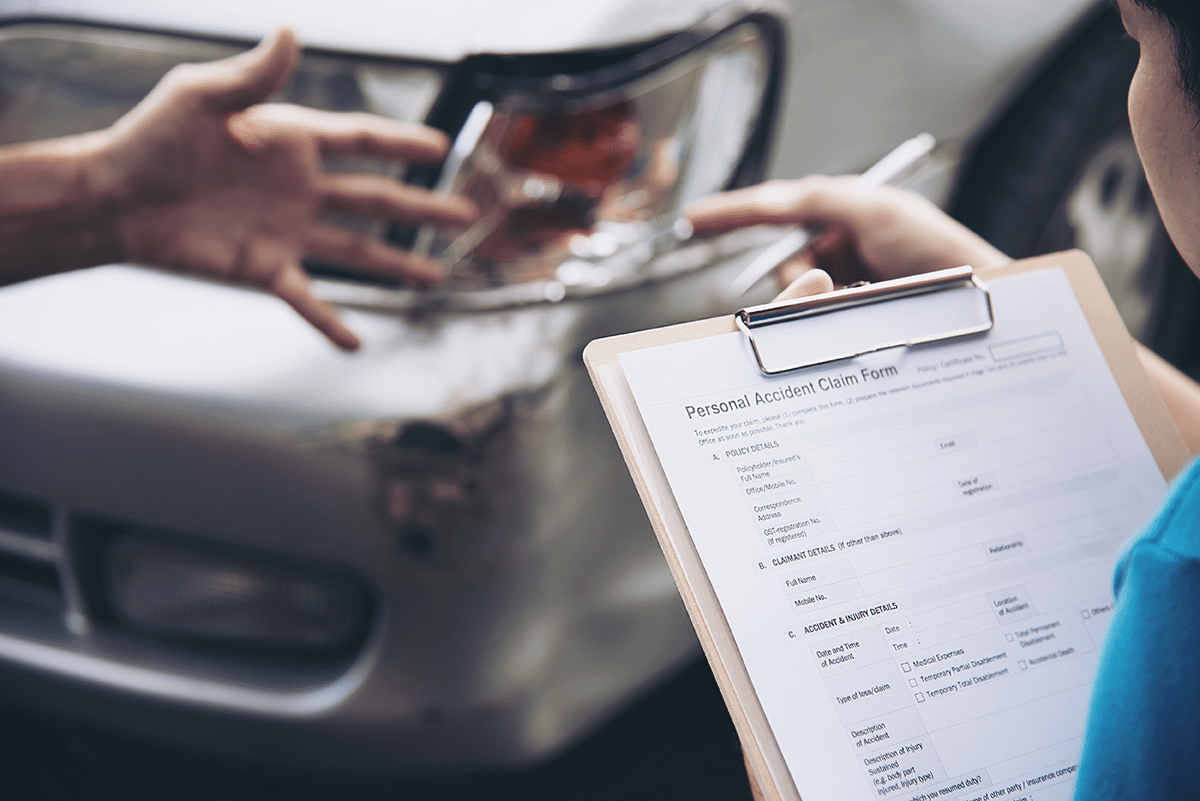
Insurance claims and lawsuits are not the same thing. An insurance claim is a request for payment under an insurance policy. A lawsuit is a formal legal action filed in court. Many accident victims mistakenly believe that opening an insurance claim protects the statute of limitations, but that is not usually true.
For example, an adjuster may inspect the vehicle, discuss repairs, request medical records, and make settlement offers. None of that necessarily extends the court filing deadline. If the two-year period expires while negotiations are ongoing, the insurance company may have far less incentive to resolve the claim fairly because the injured person’s right to sue may be lost.
When Vehicle Repairs Happen Before the Injury Claim Ends
Property damage claims are often resolved faster than injury claims. A car can usually be inspected, repaired, totaled, or replaced within weeks or months. Injuries, on the other hand, may take much longer to evaluate. Doctors may need time to determine whether the person will recover fully, need surgery, miss work, or suffer lasting limitations.
Because of this difference, accident victims should be careful when signing insurance documents. A property damage settlement should not accidentally release the bodily injury claim. Before accepting payment, the injured person should read the release closely and make sure it applies only to vehicle damage if that is the intent. A broad release could create serious problems for the remaining injury claim.
Total Loss Claims and Disputes Over Vehicle Value
When a vehicle is declared a total loss, the insurance company may offer the actual cash value of the car. Disputes can arise when the owner believes the offer is too low, especially if the vehicle was well maintained, recently repaired, or had features that increase its market value. These disputes are still property damage issues and should be addressed within the applicable legal deadline.
Vehicle owners can strengthen their position by gathering repair records, maintenance receipts, photos, comparable vehicle listings, and documentation of upgrades. If the car had special equipment, business use, or customized features, those details may also matter. The more evidence available, the easier it may be to challenge an unfair valuation.
Rental Cars, Towing, and Storage Fees
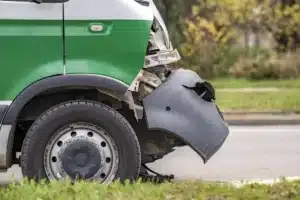
Property damage is not limited to the visible dents, broken glass, or frame damage on the vehicle. A crash may also create related expenses, including towing charges, storage fees, rental car costs, rideshare expenses, and the loss of use of the vehicle. These costs can add up quickly, especially when liability is disputed or repairs are delayed.
Accident victims should save receipts and document each expense connected to the loss of transportation. Even small costs can become important when added together. If the claim later becomes disputed, organized records help show the financial impact of being without a working vehicle after the crash.
Special Issues When a Government Vehicle Is Involved
Different rules may apply if the accident involved a government vehicle, public employee, city truck, county vehicle, school bus, or other public entity. Government claims often require formal notice before a lawsuit can be filed, and those notice deadlines may be shorter than the ordinary two-year statute of limitations. Missing a notice deadline can harm the claim even if the general filing period has not expired.
This matters for both injury and property damage claims. A driver hit by a city vehicle, for example, may need to act quickly to preserve the right to recover medical expenses and repair costs. Because government-related claims can involve special procedures, early legal review is especially important.
Why Acting Early Protects Both Claims
Even when the legal deadline is two years, waiting can make both property and injury claims harder to prove. Vehicle damage may be repaired before proper photos are taken. The damaged car may be sold, scrapped, or altered. Witnesses may become harder to contact, and crash scene evidence may disappear.
Early action helps preserve proof of both bodily injury and property damage. Accident victims should photograph the vehicles, obtain the police report, seek medical care, report the claim, save repair estimates, and keep all receipts. These steps can make settlement negotiations stronger and protect the ability to file a lawsuit if the insurer refuses to pay fairly.
Legal Guidance Can Help Avoid Deadline Mistakes
In Oklahoma, you usually have two years to file claims for vehicle damage and personal injuries after a car accident. Timelines can vary, as property damage might settle quickly while medical treatment takes longer. Don’t assume that settling for car repairs resolves all issues or that talking with insurance protects your right to sue.
Legal help can clarify the differences between property damage and injury claims, review settlement papers, and ensure you meet important deadlines. Knowing these deadlines early can help you protect your vehicle and your right to fair compensation.