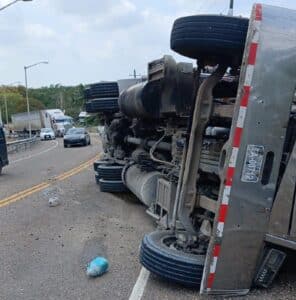
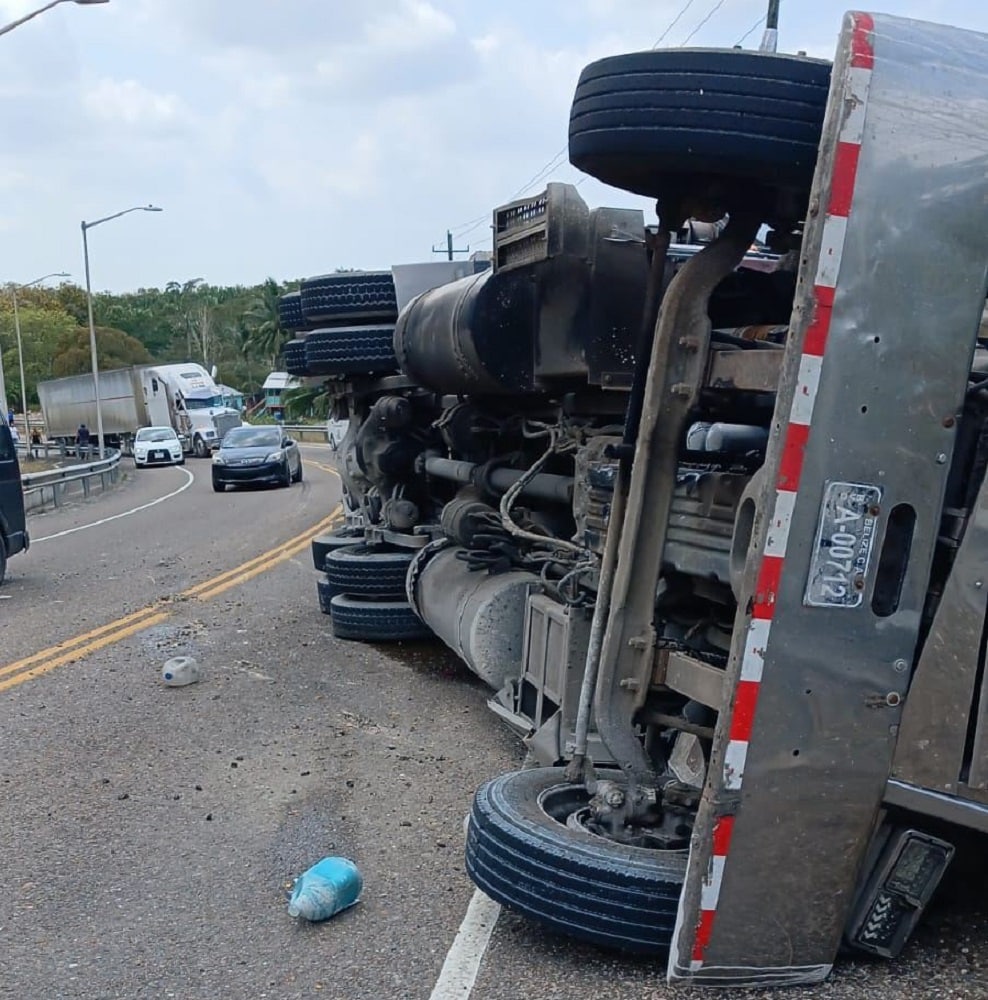
Large truck crashes are rarely the result of a single mistake. While it may seem like one action caused the collision, a closer look often reveals multiple contributing factors. These incidents usually develop from a chain of decisions, conditions, and overlooked responsibilities. Each layer adds complexity to how the crash is evaluated.
Because commercial trucking involves drivers, companies, equipment, and regulations, there are many points where something can go wrong. When several of these factors overlap, the result can be a serious accident. Looking at these layers helps explain why truck crash cases are often more detailed than they first appear.
How Driver Actions Interact With Other Risk Factors
Driver behavior is often the most visible part of a truck accident. Speeding, fatigue, or distraction can all play a role in how a crash unfolds. However, these actions are rarely isolated. They are often influenced by schedules, workload, and external pressures that affect decision-making on the road.
When a driver is operating under tight deadlines or extended hours, their ability to respond safely may be reduced. This creates a connection between individual behavior and broader circumstances. Evaluating driver actions in context helps reveal how multiple factors come together. Acknowledging these influences is essential for developing effective safety protocols and training programs
Company Policies and Operational Pressure
Trucking companies play a significant role in how their drivers operate. Policies related to delivery timelines, rest breaks, and performance expectations can influence behavior behind the wheel. When these expectations are unrealistic, they may encourage unsafe practices. This adds another layer to how responsibility is viewed.
Operational pressure can lead to decisions that prioritize speed over safety. For example, a driver may feel compelled to skip rest periods or continue driving despite fatigue. These conditions often reflect company-level decisions rather than individual choices alone. This connection expands the scope of the situation.
Equipment Condition and Mechanical Oversight
The condition of the truck itself is another critical factor. Mechanical issues such as brake failure, worn tires, or steering problems can contribute to accidents. These issues may develop over time if maintenance is not handled properly. When equipment fails, it can limit a driver’s ability to respond.
Reviewing maintenance records and vehicle condition is often part of evaluating these cases, something a St. Louis truck accident lawyer may assist with when examining multiple layers of negligence. Mechanical problems are not always visible at first, but they can play a major role in how a crash occurs. This adds a technical dimension to the analysis.
Common Layers That Contribute to Truck Accidents
Truck crashes often involve several overlapping factors that together create a dangerous situation. Recognizing these layers helps explain why these cases are rarely straightforward.
Here are common contributing layers:
• Driver fatigue or distraction combined with long hours on the road
• Company policies that create pressure to meet strict deadlines
• Inadequate maintenance leading to mechanical failure
• Improperly loaded or secured cargo affecting vehicle stability
• Road conditions that increase the difficulty of safe operation
Each of these elements may interact with others, increasing the overall risk.
The Role of Federal and State Regulations
Trucking operations are governed by detailed regulations designed to promote safety. These rules cover driving hours, vehicle inspections, and cargo handling. When these regulations are not followed, it can contribute to unsafe conditions. Violations may point to gaps in oversight.
Regulations create a framework for evaluating whether proper procedures were followed. Reviewing compliance helps determine whether safety standards were met. When multiple violations are present, they can form part of a larger pattern. This adds another layer to the case. Identifying such patterns can be crucial for implementing effective corrective measures and preventing future incidents.
How Cargo Handling Can Influence a Crash
The way cargo is loaded and secured can directly affect how a truck moves on the road. Uneven or shifting loads can change the balance and make the vehicle harder to control. This becomes especially dangerous during sudden stops or sharp turns. Improper loading can increase the risk of rollover or loss of control.
Cargo issues are often overlooked at first, but can play a significant role. Reviewing loading procedures and weight distribution helps identify whether this factor contributed to the accident. This adds another piece to the overall evaluation. It shows how different responsibilities intersect.
Why Multiple Parties Are Often Involved
Truck accidents frequently involve more than just the driver. The trucking company, maintenance providers, and even cargo handlers may all have roles. Each party may contribute in different ways, depending on their responsibilities. This creates a more complex situation when assigning fault.
Evaluating each party’s involvement requires looking at how their actions connect. A single failure may not tell the whole story. Instead, multiple actions may combine to create the conditions for a crash. This shared responsibility adds depth to the case.
The Importance of Looking at the Full Timeline
Understanding a truck accident often requires looking at events leading up to the crash. This includes driving hours, maintenance history, and operational decisions. Each step in the timeline can reveal important details. Looking only at the moment of impact may miss key information.
A broader timeline shows how different factors developed over time. It helps connect decisions and conditions to the final outcome. This approach provides a more complete view of the situation. It highlights how layers of negligence can build gradually.
Seeing the Bigger Structure Behind a Truck Crash
Large truck accidents often reflect a combination of decisions, conditions, and responsibilities that come together at the wrong time. Each layer adds context and helps explain how the situation developed. Looking at these elements together provides a clearer picture of what occurred.
Rather than focusing on a single cause, examining the full structure of contributing factors reveals how complex these cases can be. It shows how different roles and responsibilities intersect. This broader perspective helps bring clarity to situations that may initially seem straightforward.