
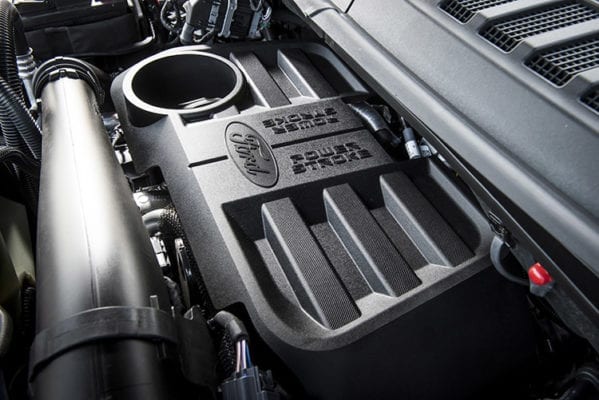
The Ford 6.7 Powerstroke is a powerful diesel engine with a strong reputation for longevity and pulling power. However, like all modern diesel engines, it is fitted with an Exhaust Gas Recirculation (EGR) system to minimise nitrogen oxide emissions. While this system helps the truck meet emissions standards, it has long been a source of frustration for owners.
By routing exhaust gases back into the intake manifold, the EGR system introduces soot and heat into the engine—a recipe for carbon buildup, reduced efficiency, and costly repairs. For those seeking to unlock their truck’s true potential, an EGR delete kit for the 6.7 Powerstroke has become a popular modification. However, it is essential to understand exactly what the delete entails, as well as its benefits and risks, before making a decision.
What Is an EGR Delete on a 6.7 Powerstroke?
The EGR system on the 6.7 Powerstroke works by diverting a portion of exhaust gases, cooling them through an EGR cooler, and routing them back into the intake manifold. This reduces combustion temperatures to lower NOx emissions, but it also introduces soot-laden exhaust gases into the engine’s intake air.
An EGR delete involves the physical removal of these components—typically the EGR valve, cooler, and associated piping—and replacing them with block-off plates or a complete delete kit. Because removing these parts will trigger check engine lights and limp mode, a delete must be accompanied by custom ECU tuning. The tuning reprograms the engine management system to ignore the missing emissions components, allowing the engine to operate with only fresh intake air.
Key Benefits of 6.7 Powerstroke EGR Delete
Improved Engine Efficiency
When the engine draws in only fresh, cool air instead of a mixture of air and exhaust soot, combustion becomes significantly more efficient. With the EGR system removed, fuel mapping can be optimised, resulting in increased horsepower and torque. Owners typically report noticeable improvements in throttle response and overall drivability.
Reduced Carbon Buildup
Carbon buildup is one of the most damaging long-term effects of the EGR system. Over time, soot-laden exhaust gases flowing through the intake manifold and around the valves form thick, sticky deposits. This can lead to sticking turbo vanes, clogged intake runners, and restricted airflow on the 6.7 Powerstroke.
Deleting the EGR system removes the source of this contamination, allowing the intake track to stay clean and the turbo to perform reliably for hundreds of thousands of miles.
Lower Maintenance Costs
The EGR system is prone to failure. EGR coolers can leak coolant into the exhaust or intake, resulting in white smoke, coolant loss, and—in severe cases—hydrolock. Soot often clogs the EGR valve, leading to rough idling, stalling, and recurring check engine lights.
By eliminating these failure-prone components, owners can avoid expensive repairs associated with EGR coolers, valves, and carbon-clogged intake cleanings.
Potential Risks and Legal Considerations
Emissions Regulations
The most significant risk of performing a 6.7 Powerstroke EGR delete is its legality. Removing or disabling emissions equipment violates the federal Clean Air Act in the United States. Shops are prohibited from performing such modifications on vehicles driven on public roads, and operating a truck that has been deleted can result in substantial fines.
Additionally, states that conduct emissions testing will automatically fail any vehicle with a deleted EGR system.
Warranty Impact
If your 6.7 Powerstroke is still covered by a factory or extended warranty, an EGR delete can jeopardise that coverage. Manufacturers may deny warranty claims related to the engine, emissions system, and other affected components if modifications are discovered. For trucks still under warranty, it is generally advisable to wait until the warranty expires before considering this modification.
Choosing the Right EGR Delete Kit for 6.7 Powerstroke
Choosing a high-quality delete kit is essential for a reliable installation. A proper 6.7 Powerstroke EGR delete typically includes CNC-machined block-off plates, coolant hose reroute fittings, and high-grade gaskets to prevent leaks.
To withstand the high temperatures and vibrations of diesel operation, look for kits made from durable materials such as billet aluminium or stainless steel. Quality kits offer a precise fit—this is critical, as coolant leaks resulting from improper installation can cause serious engine damage.
Additionally, buyers should ensure the kit matches their specific model year, as the 6.7 Powerstroke changed its production run.
Supporting Mods for Best 6.7 Powerstroke Performance
To fully realize the benefits of an EGR delete, pairing it with complementary performance upgrades is highly recommended. Since an EGR delete requires custom tuning, selecting a quality tuner allows owners to optimize fuel mapping for power, fuel economy, or towing, depending on their needs.
A good PowerStroke tuner option will eliminate trouble codes, prevent unwanted regeneration cycles, and unlock the engine’s full potential. Additional upgrades—such as a cold air intake and improved exhaust system—further enhance airflow, lower exhaust gas temperatures, and improve reliability.
When combined, these modifications create a well-integrated setup that often outlasts and outperforms a stock configuration.
Conclusion: Should I Delete EGR on 6.7 Powerstroke?
Whether to perform an EGR delete on your 6.7 Powerstroke ultimately depends on your priorities and how you use your truck. For owners who regularly tow heavy loads, prioritize maximum long-term reliability, and live in areas without emissions testing, the benefits can be substantial.
Removing the EGR system eliminates carbon buildup, prevents EGR cooler failures, and enhances engine efficiency—resulting in a better driving experience and fewer maintenance concerns.
However, for those still under warranty or residing in regions with emissions testing, the legal and financial risks may outweigh the benefits. If you are prepared to accept the trade-offs—including potential legal consequences and warranty loss—investing in a quality delete kit and professional tuning is the most effective way to unlock the full durability and performance that the 6.7 Powerstroke has to offer.