Introduction
Diesel trucks have long been favorites among owners who value raw power, torque, and longevity. In recent years, emissions deletes have become a hot topic in active truck owner forums, shops, and online communities. These modifications promise to unlock hidden performance while slashing maintenance headaches. But they come with serious trade-offs.
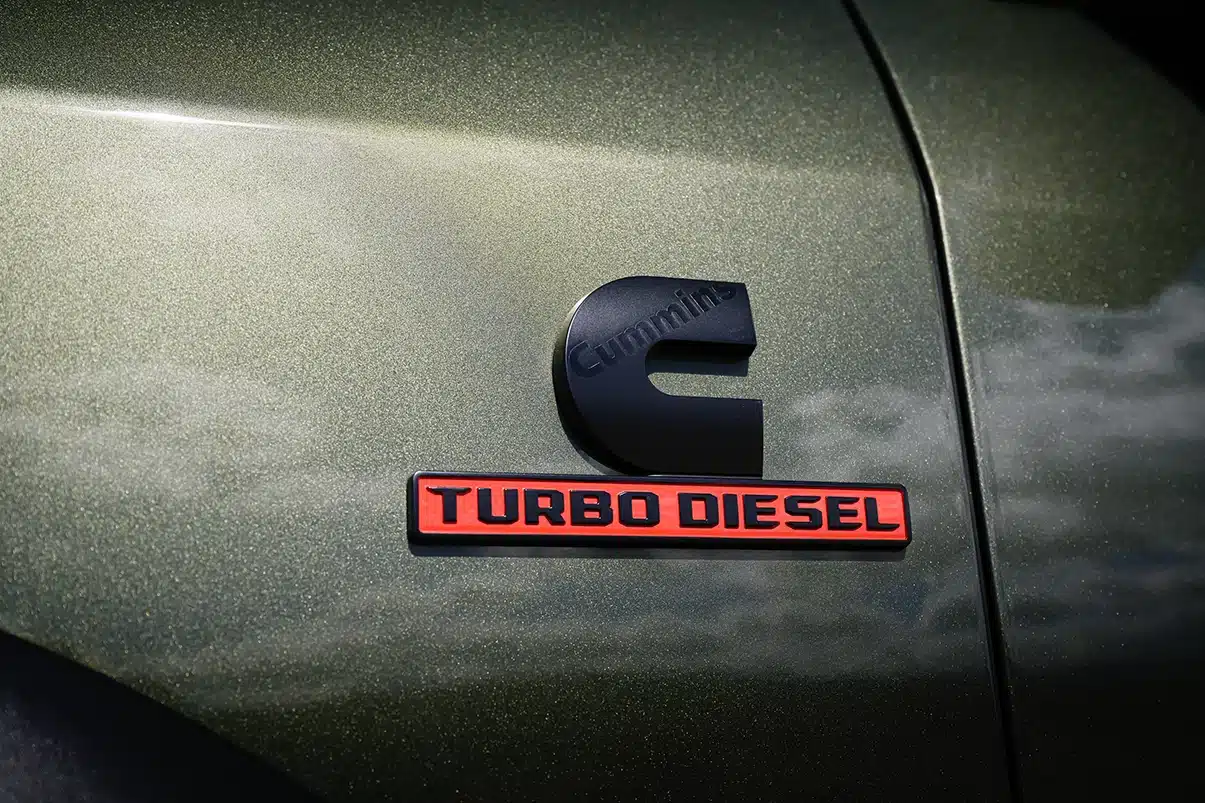
This guide breaks down exactly what diesel emissions deletes involve, the claimed benefits, the very real risks, and smarter legal paths forward. Whether you own a Ram with a 6.7 Cummins, a Ford Super Duty with a 6.7 Powerstroke, or a GM with a Duramax, the decision deserves careful consideration.
What are Diesel Emissions Deletes?
A diesel emissions delete (often called a full delete or DPF/EGR/DEF delete) is the physical removal or bypassing of factory emissions-control hardware combined with engine control module reprogramming. The goal is to eliminate the restrictive components required to meet federal emissions standards. In short, it’s tampering with the system designed to clean exhaust gases before they exit the tailpipe.
Why are Truck Owners Considering Them?
Modern diesel trucks face stricter emissions rules than ever. Owners report frustration with frequent regeneration cycles, DEF fluid costs, check-engine lights, and reduced power under load. Deletes appeal to those seeking maximum performance, especially for off-road, towing, or commercial use where emissions testing isn’t required.
A Balanced Perspective: Performance vs. Risk
Deletes can deliver noticeable gains in horsepower, torque, and efficiency. However, they remain illegal under the Clean Air Act, carry civil penalties, void warranties, and increase harmful emissions. Short-term gains must be weighed against long-term legal, financial, and environmental consequences.
Decoding Your Diesel’s Emissions System: The Baseline
To understand deletes, you first need to know what you’re removing. Since the mid-2000s, diesels have incorporated layered systems to cut particulate matter (PM) and nitrogen oxides (NOx):
- Diesel Particulate Filter: The DPF traps soot and ash. It periodically “regenerates” by burning off trapped particles at high temperatures. Clogging leads to derated power and expensive replacements.
- Exhaust Gas Recirculation System: EGR recirculates exhaust gases back into the intake to lower combustion temperatures and reduce NOx. It can introduce carbon buildup, reduce efficiency, and cause cooling-system failures.
- Selective Catalytic Reduction System and Diesel Exhaust Fluid: SCR injects DEF into the exhaust to convert NOx into harmless nitrogen and water. It requires regular DEF refills and can fail with contaminated fluid or faulty sensors.
The Allure of Deletes: Perceived Benefits for Truck Owners
Many owners who delete report dramatic improvements when the systems are properly tuned:
- Enhanced Performance and Power: Removing restrictions and optimizing fuel/timing maps can yield 80–150+ horsepower and even more torque gains, depending on the tune and engine.
- Better Fuel Economy and Efficiency: Real-world reports show 1–5 MPG gains on highway driving and up to 10–15% improvement while towing, thanks to eliminated regen cycles and backpressure.
- Reduced Maintenance and Operating Costs: No more DPF regens, DEF purchases, or EGR cooler failures. Owners often save thousands in long-term repairs.
- Lower Engine Temperatures: Many report cooler exhaust gas temperatures (EGTs) under load because the engine no longer fights against restrictive hardware.
The Harsh Realities: Consequences of Deletes
Despite the appeal, deletes are not risk-free.
The Legal Minefield
Tampering with emissions controls violates the Clean Air Act. While the DOJ shifted focus away from criminal charges in most cases in 2026, civil enforcement and state laws persist. Fines can reach thousands of dollars, and many states enforce opacity (smoke) tests that a deleted truck will fail.
Warranty and Resale Value
Any delete immediately voids the powertrain warranty. Resale value also drops sharply, as many buyers avoid deleted trucks due to future legality and repair concerns.
Environmental and Public Health Risks
Deletes increase NOx and particulate emissions, contributing to smog, acid rain, and respiratory issues. The EPA notes these modifications can dramatically worsen air quality compared with stock vehicles.
How Diesel Emissions Deletes Work
Deletes involve both hardware and software changes.
- Physical Removal: This typically includes blocking plates for EGR, removal of the DPF and SCR muffler assembly, and sometimes straight-pipe exhaust replacements.
- ECM Reprogramming: A custom tune disables codes, stops DEF dosing, prevents regens, and remaps fuel, timing, and boost. Without proper tuning, the truck will enter limp mode or throw constant errors.
Navigating Delete Kits and Installation
Options range from EGR-only deletes to full deletes. All-in-one kits bundle hardware and software.
Look for vendors with proven track records, dyno-tested tunes, and good customer support, which is why many enthusiasts turn to reputable diesel performance parts suppliers to ensure they are getting high-quality components. While DIY is possible for experienced mechanics, professional installation ensures proper execution and reduces the risk of ECM flashing errors.
Smarter, Legal Alternatives
You don’t have to delete to improve your truck.
- Optimized Maintenance for Emissions Systems: Use high-quality fuel, change oil on schedule, clean or replace DPF/EGR components proactively, and keep DEF fresh. Many issues stem from neglected maintenance.
- Legal Performance Upgrades: CARB- or EPA-compliant tuners, cold-air intakes, exhaust systems, and lift pumps can add power without tampering. Some manufacturers offer factory performance packages.
- Addressing Specific Engine Issues Legally: Fix EGR coolers, DPF pressure sensors, or DEF heaters through authorized channels. Warranty-covered repairs or aftermarket parts with EO numbers keep everything legal.
FAQs
Can a deleted truck pass an emissions test?
No, in states requiring testing, deleted trucks almost always fail opacity or OBD scans. Ghost tunes are unreliable and still illegal.
Will a delete improve my truck’s towing capability?
Yes, for most owners. Extra power, torque, and eliminated derates make towing smoother and more efficient, with many reporting 10–15% better MPG under load.
What specific engine types are commonly deleted (e.g., 6.7 Cummins, Powerstroke, Duramax)?
The 6.7L Cummins, 6.7L Powerstroke, and 6.6L/6.7L Duramax dominate delete discussions due to their prevalence in heavy-duty trucks.
What are the noise implications of a delete?
Exhaust becomes noticeably louder—often a deep, classic diesel rumble without the DPF muffling. Many love the sound; others add mufflers to keep it tolerable.
Conclusion
Diesel emissions deletes represent a classic dilemma: impressive short-term rewards versus serious long-term risks. While recent enforcement changes have reduced criminal fears, the modifications remain illegal, environmentally harmful, and warranty-killing.
Responsible diesel ownership means respecting the systems that made modern diesels cleaner and more efficient. Before you delete, explore legal upgrades, proper maintenance, and professional advice. The future of diesel likely includes even tighter regulations—staying compliant today protects your investment tomorrow.