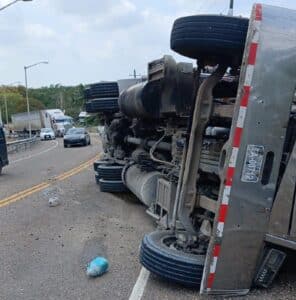

The Changing Landscape of Fleet Operations
Fleet-based businesses are facing more pressure than ever before. Rising fuel prices, stricter compliance regulations, labor shortages, and customer expectations for real-time updates are forcing companies to rethink how they operate. Whether managing delivery vehicles, service vans, construction equipment, or regional trucking fleets, efficiency is no longer optional—it’s essential.
In this evolving environment, businesses are increasingly turning to digital systems to stay competitive. Modern fleet management solutions provide centralized visibility into vehicles, drivers, and assets while automating many day-to-day operational tasks. By consolidating data and offering real-time tracking, these systems empower managers to make smarter, faster decisions.
The result is not just better oversight, but measurable improvements in cost control, safety, and productivity.
What Are Fleet Management Solutions?
Fleet management solutions refer to integrated technologies that help businesses monitor, manage, and optimize their vehicle operations. These systems typically combine GPS tracking, telematics data, reporting tools, and maintenance management into a single interface.
Core components often include:
- Real-time GPS vehicle tracking
- Driver behavior monitoring
- Fuel usage analytics
- Preventative maintenance scheduling
- Digital inspection reports
- Custom reporting dashboards
Rather than relying on manual logs or disconnected tools, companies gain a unified system that provides actionable insight.
Importantly, these solutions are not just for large enterprises. Cloud-based software has made advanced fleet technology accessible to small and mid-sized fleets as well.
The True Cost of Manual Fleet Management
Many businesses still rely on outdated methods: spreadsheets, phone calls, handwritten inspection reports, and reactive maintenance. While this may seem cost-effective upfront, the long-term financial impact can be significant.
Hidden costs of manual fleet oversight include:
- Excessive idling and fuel waste
- Unplanned vehicle downtime
- Increased accident risk
- Inaccurate mileage tracking
- Administrative inefficiencies
Without real-time data, managers often discover problems only after they’ve become expensive. For example, missing a routine maintenance interval may lead to a breakdown that disrupts service schedules and damages customer relationships.
Fleet management solutions shift operations from reactive to proactive. Instead of guessing, managers operate with accurate, up-to-date information.
Improving Driver Safety and Accountability
Driver safety is a top priority for fleet operators. Accidents not only endanger employees but also result in costly repairs, insurance claims, and reputational damage.
Modern fleet systems enhance safety by providing:
- Alerts for speeding and harsh braking
- Driver scorecards and performance metrics
- Dash camera integrations for incident review
- Historical trip playback for investigation
With objective data, managers can coach drivers more effectively. Over time, fleets often see reductions in risky driving behaviors, which can lead to fewer claims and potentially lower insurance premiums.
In addition, video telematics offers protection against false claims by providing clear footage of incidents. This added transparency protects both drivers and the company.
Reducing Fuel Expenses Through Data
Fuel is one of the largest operating expenses for any fleet. Even small improvements in efficiency can create significant savings across multiple vehicles.
Fleet management solutions help reduce fuel costs by:
- Identifying excessive idle time
- Optimizing route planning
- Monitoring speeding patterns
- Tracking fuel consumption trends
For example, a fleet that reduces average idle time by just 15 minutes per vehicle per day can see substantial annual savings. When multiplied across dozens of vehicles, these improvements quickly add up.
Data-driven insights allow managers to spot inefficiencies that would otherwise remain unnoticed.
Preventative Maintenance and Asset Longevity
Unexpected breakdowns are costly and disruptive. A vehicle that is out of service means missed appointments, delayed deliveries, and unhappy customers.
Digital maintenance tracking ensures that:
- Service intervals are never missed
- Maintenance records are centralized
- Repair histories are easily accessible
- Recurring issues are identified early
By staying ahead of maintenance needs, fleets extend vehicle lifespan and reduce emergency repair expenses. Predictable service schedules also improve planning and minimize downtime.
This structured approach helps organizations make informed decisions about vehicle replacement cycles and capital investments.
Enhancing Customer Experience
Customer expectations have evolved. Businesses now expect accurate arrival times, proactive communication, and transparency throughout service delivery.
Fleet management solutions support better customer service by enabling:
- Real-time location tracking
- Accurate estimated time of arrival (ETA) calculations
- Faster dispatch adjustments
- Immediate updates during route changes
When dispatchers have live vehicle visibility, they can respond quickly to traffic delays or last-minute schedule adjustments. This flexibility enhances reliability and builds customer trust.
For service-based industries, reliability can be a defining competitive advantage.
Compliance and Documentation Made Simple
Regulatory compliance can be complex, particularly for fleets operating across state lines or in regulated industries. Maintaining proper documentation manually increases the risk of errors and penalties.
Digital fleet systems simplify compliance through:
- Automated record storage
- Digital vehicle inspection forms
- Downloadable compliance reports
- Secure cloud-based data retention
Having all documentation centralized reduces administrative workload and ensures that records are easily accessible during audits.
This level of organization is especially valuable for growing fleets managing increasing operational complexity.
Scalability and Integration for Growing Businesses
One of the most important aspects of modern fleet management solutions is scalability. Businesses evolve, and their technology should grow with them.
Cloud-based platforms allow fleets to:
- Add vehicles and users seamlessly
- Expand reporting capabilities
- Integrate with accounting or dispatch software
- Customize dashboards for different roles
This flexibility ensures that companies do not outgrow their systems. Instead, the platform evolves alongside operational needs.
Integration also reduces duplicate data entry and improves overall accuracy across departments.
Turning Operational Data into Strategic Advantage
Beyond day-to-day management, fleet data offers long-term strategic value. Historical trends reveal patterns that inform future decisions.
Managers can analyze:
- Vehicle utilization rates
- Cost per mile trends
- Driver performance over time
- Seasonal fuel usage patterns
These insights support smarter budgeting, staffing decisions, and operational planning. Instead of relying on intuition, leadership teams make data-backed decisions that improve profitability.
In competitive markets, this advantage can make a significant difference.
Conclusion: Investing in Smarter Fleet Operations
Fleet operations are more complex than ever, but technology has made effective management more accessible. Fleet management solutions provide the visibility, automation, and analytics necessary to control costs, enhance safety, and improve service delivery.
By adopting a centralized digital system, businesses transform raw vehicle data into actionable insight. They move from reactive problem-solving to proactive strategy. They reduce waste, increase accountability, and strengthen customer relationships.
As industries continue to evolve, companies that embrace smart fleet technology will be better positioned for growth, resilience, and long-term success.