Buying a pickup truck is one thing. Making sure it is properly covered is another conversation entirely, and one that a surprising number of truck buyers rush through or get wrong.
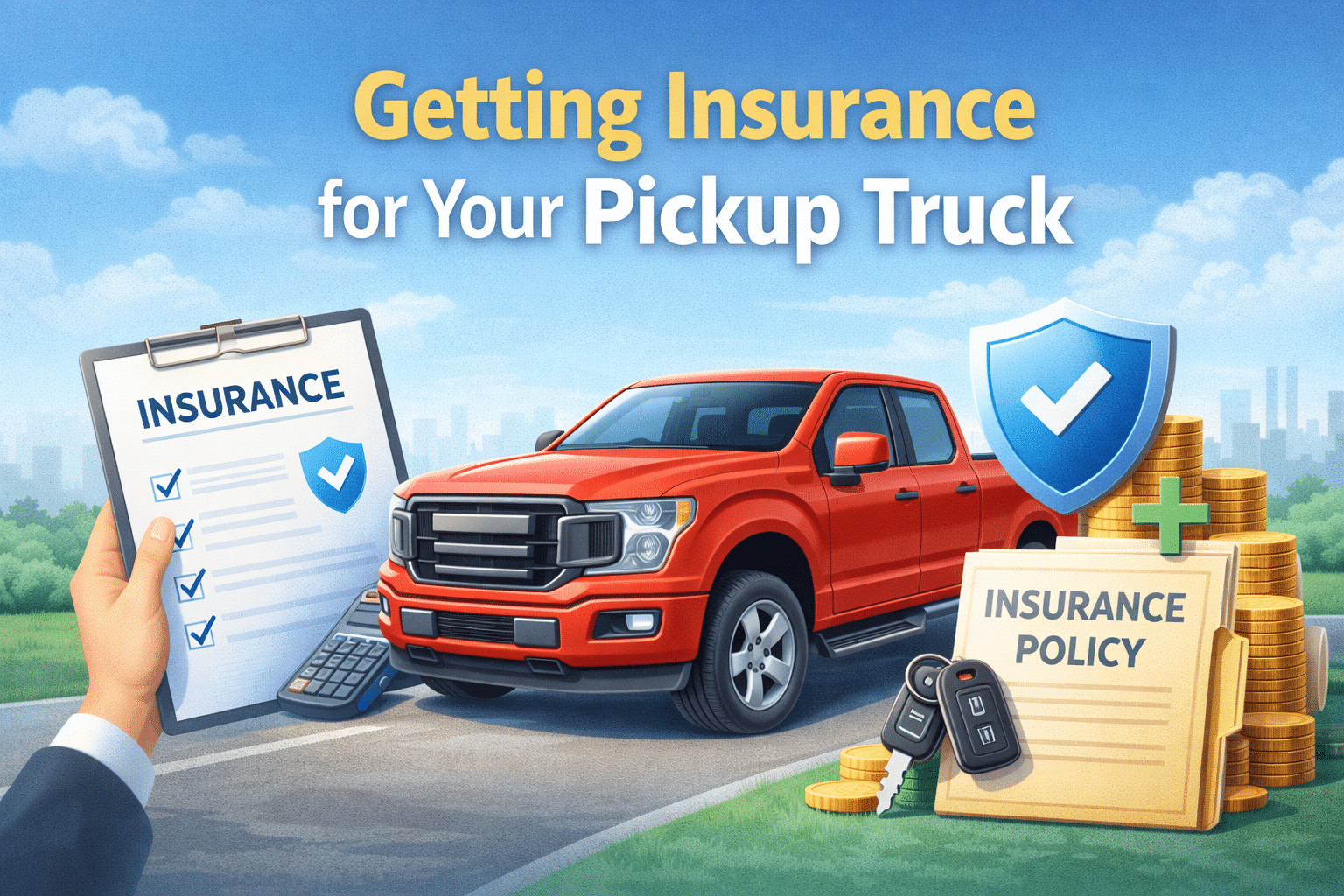
Truck insurance is not the same as insuring a regular passenger car. The vehicle category, how you use it, what you haul, and whether it is modified all factor into what coverage you actually need and what your insurer will and will not pay out when something goes wrong. If you are in the market for pickup truck insurance, or you have been rolling with a policy that you have not reviewed in a while, here is what you need to understand.
Why Trucks Are Insured Differently
Full-size pickups like the F-150, Ram 1500, Chevy Silverado, and Toyota Tundra are heavy, capable machines. They cost more than most sedans to begin with, carry more payload capacity, often tow significant weight, and have bed surfaces and frames that are exposed in ways a traditional car body is not.
All of this factors into how insurers assess risk. A truck that is used for light commuting gets priced very differently from one that regularly tows a fifth-wheel trailer or hauls materials for a small business. The base premium might look similar, but the appropriate coverage levels, and what happens when you file a claim, can be very different.
Do not assume the cheapest policy that satisfies your state or country’s minimum requirements is adequate for a $55,000 truck.
The Core Coverages and What They Mean for Truck Owners
Most drivers are familiar with the general categories of auto insurance, but it is worth thinking through each one specifically in the context of pickup ownership.
Liability coverage pays for damage you cause to other vehicles or property. If you are towing a trailer and it swings wide into another lane, liability is what protects you from the resulting claims. In many jurisdictions, your towing vehicle’s liability extends to your trailer as well, but verify this with your insurer. Do not assume it is automatic.
Collision coverage pays for damage to your own truck in an at-fault accident. For a new or late-model truck with significant market value, this is not optional. Given current truck prices, replacing or repairing even moderate damage out of pocket is a significant financial hit.
Comprehensive coverage covers non-collision events: theft, hail, flooding, fire, falling objects. If your truck lives outside, or you are in a region prone to severe weather, comprehensive is not a coverage area to underinsure. Hailstorms alone can total a truck if the damage is severe enough, and trucks are uniquely exposed given that flat hood and bed surface.
Uninsured and underinsured motorist coverage protects you when the other driver either has no insurance or has limits too low to cover your damage. Given how expensive modern trucks are to repair, having your own UM/UIM coverage is especially important.
Modifications Can Void or Complicate Your Coverage
This is the part that catches a lot of truck owners off guard. If your truck has aftermarket modifications including lift kits, custom wheels, oversized tires, bed covers, winches, or performance upgrades, you need to disclose these to your insurer.
Most standard auto policies only cover the factory value of the vehicle. That aftermarket suspension lift you paid $3,000 for, or the custom bed liner system, may not be included in a standard claim payout. Some insurers offer aftermarket parts coverage as an add-on, and a handful of specialty insurers cater specifically to modified trucks.
At the very minimum, have a direct conversation with your insurer about what modifications you have made and whether they affect your coverage or your premium. Finding out after a total loss that your upgrades were not covered is an expensive lesson.
If You Use Your Truck for Work, Your Personal Policy Might Not Apply
There is a meaningful difference between a truck that occasionally helps a friend move and one that regularly hauls materials, tools, or cargo for your business. Many personal auto insurance policies exclude commercial use, which means if you have a collision while using the truck for business purposes, you could be denied coverage.
If your truck doubles as a work vehicle, even part-time, talk to your insurer about a commercial auto policy or a policy that includes business use endorsement. Contractors, landscapers, tradespeople, and anyone who runs a small business out of their truck should pay particular attention to this.
Towing Coverage Deserves Its Own Conversation
If you tow regularly, whether it is a boat, camper, car trailer, or livestock trailer, confirm how your policy treats towing situations. Roadside assistance and towing coverage on basic policies may only cover the truck itself. If your trailer breaks down or you need assistance with the trailer on the road, you may be on your own without the right coverage.
Some insurers offer specific towing and roadside packages that cover the entire rig. If your truck’s towing capability is one of the main reasons you bought it, make sure your insurance reflects that use.
How to Shop for the Right Policy
The most practical advice here is simple: do not just auto-renew the policy you already have, and do not buy based on price alone.
Get several quotes with the same coverage levels so you are comparing apples to apples. Consider using a comparison platform to do this efficiently, since running individual quotes with every insurer manually is time-consuming and easy to get wrong. Platforms that aggregate real offers let you see how premiums, deductibles, and coverage limits stack up side by side, which is how you actually make an informed decision. You can find car insurance through comparison tools that surface competitive offers from multiple providers in one place.
The Bottom Line
A pickup truck is a serious investment and in many cases a working tool, not just a daily driver. The right insurance coverage should reflect that. Take the time to understand what your policy actually covers, ask the right questions about modifications and commercial use, and revisit your coverage whenever your truck situation changes in a meaningful way.
Getting this right up front costs a little time. Getting it wrong when you actually need to file a claim costs a lot more.