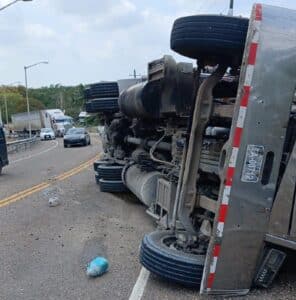

Transporting a loaded shipping container requires a vehicle with immense structural strength and specialized mechanical components. These heavy steel boxes exert extreme pressure on the frame and suspension of any truck. Making a choice of inappropriate equipment results in mechanical breakdown or unsafe conditions on the road during transportation.
Engineers model heavy-duty trucks to manage the special weight distribution of intermodal freight. If you are a fleet manager or an independent operator, you must ensure your vehicle matches the specifications of a container chassis for sale to maintain safety. The linkage of the truck and the trailer is the most vulnerable aspect of failure in heavy haulage.
Weight Capacity and Power
The gross vehicle weight rating determines if a truck can legally and safely pull a loaded container. A standard twenty-foot container can weigh up to sixty-seven thousand pounds when fully packed. The truck must possess the horsepower and torque necessary to move this mass from a complete stop on an incline.
Braking systems must also be rated for these extreme loads to prevent runaway scenarios. Heavy-duty air brakes with integrated anti-lock technology provide the stopping power required for high-speed highway travel. Operators often prefer engines with at least fifteen liters of displacement for these demanding tasks.
Structural Reinforcements
Standard highway trucks often require specific upgrades to handle the stresses of intermodal work. The constant vibrations and shifting loads of a shipping container can crack a standard chassis over time. Manufacturers use reinforced steel alloys to build the frames of trucks destined for container ports.
Every component must work in harmony to support the massive downward force of the cargo. A specialized truck for this industry typically features several key mechanical enhancements:
- Heavy-duty tandem axles with high weight ratings
- Reinforced fifth-wheel coupling plates for secure attachment
- Multi-leaf or high-capacity airbag suspension systems
- High-torque transmissions with multiple low-gear ratios for heavy starts.
Essential Truck Components
The following sections detail the specific technical requirements for vehicles involved in loaded container transport.
Fifth Wheel Assembly
The fifth wheel is the primary link between the truck and the container chassis. It must be rated for the maximum tongue weight of a loaded forty-foot high-cube container. Locking mechanisms must be inspected daily to ensure the kingpin of the trailer stays locked during sharp turns.
Engine Torque
Torque is more important than raw horsepower when moving heavy steel boxes. A truck requires a high torque curve at low revolutions per minute to overcome the inertia of a loaded container. This prevents excessive wear on the clutch and drivetrain components during the initial acceleration phase.
Transmission Ratios
A truck suitable for this work often utilizes an eighteen-speed manual or a heavy-duty automated manual transmission. These gearboxes provide the necessary range to maintain engine efficiency while hauling thirty tons of cargo. Closely spaced gears allow the driver to keep the engine in the optimal power band at all times.
Suspension Performance
The suspension system has the dual purpose of maintaining the weight and cushioning the truck against shocks on the roads. Air-ride systems are considered to be the standard in the industry, as they are able to vary the height and hardness in accordance with the weight. Such flexibility helps to avoid the truck bouncing on the way back to the port with an empty container.
Braking Systems
Electronic braking systems provide faster response times than traditional pneumatic setups. This technology is vital when the truck must stop a combined weight that exceeds eighty thousand pounds. Integrated engine brakes also help control speed on long descents without overheating the wheel-end components.
Tire Specifications
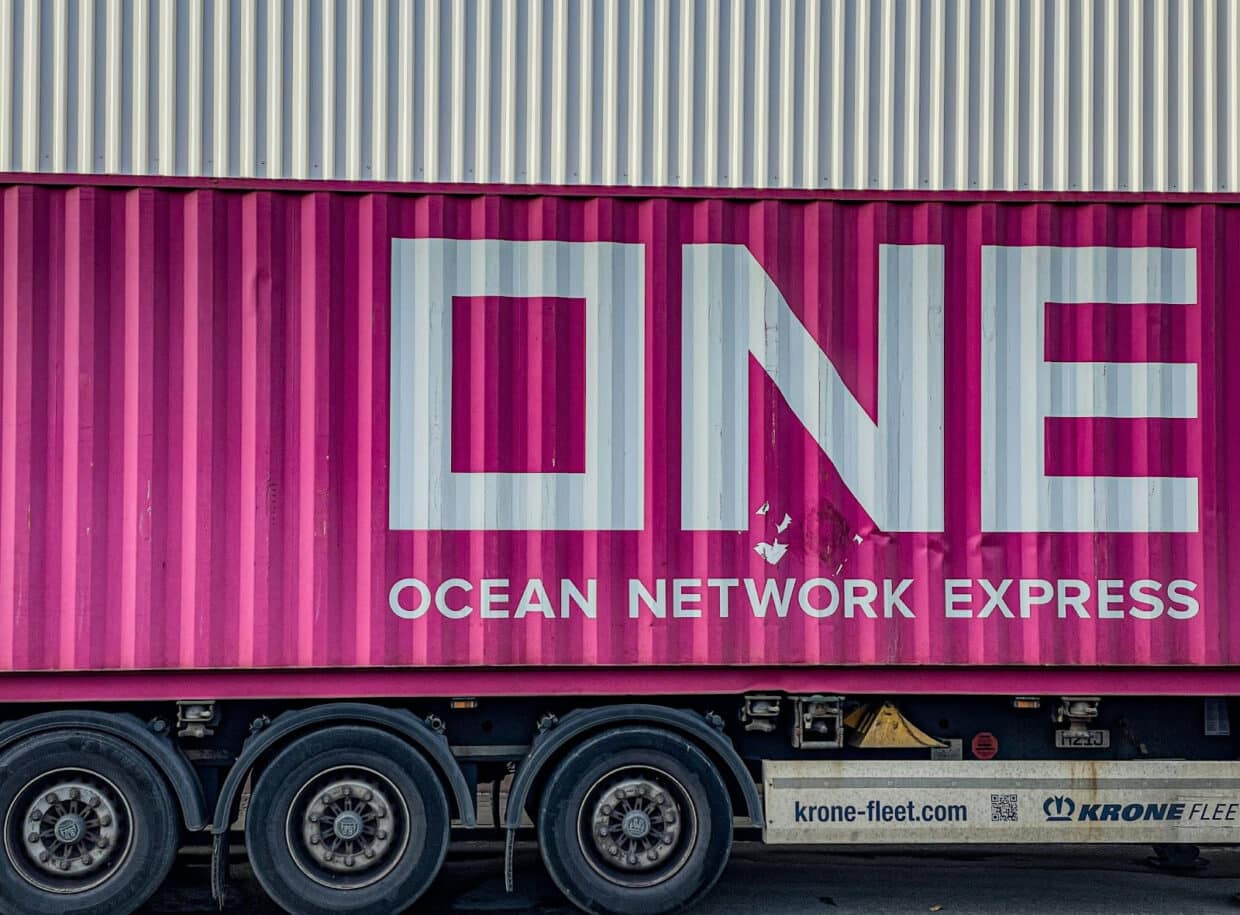
Tires for container haulage must have high load range ratings, typically Category L or higher. The sidewalls are reinforced to prevent blowouts under the extreme heat generated by heavy loads. Tread patterns are designed for maximum traction on the slick concrete surfaces found at many port terminals.
Maintaining the correct tire pressure is the most effective way to prevent road failures during a haul. Specific tire characteristics are necessary for trucks operating in heavy industrial environments:
- Deep tread depths to provide grip in wet port conditions
- High-ply ratings to resist punctures from debris on the docks
- Heat-resistant rubber compounds for long-distance highway travel
- Steel-belted internal structures for maximum load-bearing capacity.
Ensuring Operational Safety
The truck’s mechanical integrity makes sure that the container is delivered to the destination with no accidents. Consistent service routines should be directed towards the cooling system and the drive system since they experience a lot of stress because of the heavy hauling. A truck that satisfies these technical specifications forms a good platform for aggressive intermodal logistics.Most of the equipment failures are eliminated by verifying the compatibility between the truck and the container chassis. When transporting heavy steel containers, safety is the core value in the context of the public infrastructure. Correct specification of the vehicle helps in minimizing the expenses of repair in the long run and enhancing the efficiency of the transport operation.