Pickup trucks are built for work. Towing, hauling, job sites, long highway drives — they’re designed to handle tough conditions. But when a serious accident happens, especially involving larger vehicles, things can become complicated quickly.
Most truck owners assume insurance will simply “take care of it.” In reality, accidents involving pickups and SUVs often involve more moving parts than standard passenger car claims.
Here’s what truck and SUV owners should understand before rushing through the claims process.
Bigger Vehicles Often Mean Bigger Damage
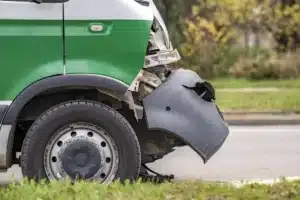
Pickup trucks sit higher and weigh more than many passenger cars. That size difference changes how impacts happen and how damage is assessed.
Modern trucks include:
- Advanced driver-assist systems
- Towing and hitch components
- Reinforced frames
- Backup cameras and sensor arrays
What looks like surface-level damage can hide:
- Frame misalignment
- Suspension issues
- Radar and sensor recalibration problems
- Towing system damage
Repair costs on newer trucks can escalate quickly once internal systems are inspected.
Don’t assume the first estimate tells the full story.
Modified Trucks Can Complicate Insurance Claims
Lift kits, oversized tires, aftermarket bumpers, upgraded lighting — truck culture embraces customization.
But modifications can affect how insurers evaluate liability and damage.
Insurance companies may question:
- Whether modifications altered handling
- Whether aftermarket parts contributed to impact severity
- Whether equipment was properly installed
Even if modifications didn’t cause the accident, they may still become part of the investigation.
Being prepared for additional scrutiny can help prevent surprises during the claims process.
Commercial Use Changes the Equation
Many pickup owners use their trucks for work — even occasionally. Hauling tools, towing trailers, transporting materials — that gray area between personal and commercial use can trigger deeper review.
Insurers may examine:
- Whether the vehicle was being used for business
- Whether the proper policy was in place
- Whether additional coverage should apply
If commercial use becomes part of the discussion, the claim may involve multiple policies or additional liability considerations.
Fault Is Rarely Black and White
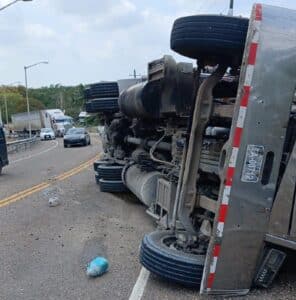
Truck accidents often involve more severe impact forces and more complex crash dynamics.
In multi-vehicle collisions, fault can be divided between drivers. Even partial responsibility can reduce compensation in states that follow comparative fault rules.
Investigations may include:
- Police reports
- Dashcam footage
- Vehicle data systems
- Damage pattern analysis
Understanding how fault is determined — and how it affects compensation — is critical before agreeing to any early settlement.
For drivers wanting a clearer understanding of their rights after a serious crash, reviewing their legal options following a truck accident can provide helpful context before signing any final agreements.
Consulting experienced personal injury lawyers early ensures pickup truck owners understand their full rights and avoid undervalued settlements. These specialists expertly document modification-related damage, commercial-use complications, and long-term medical needs that standard insurance adjusters often overlook.
Early Settlement Offers May Not Reflect Full Impact
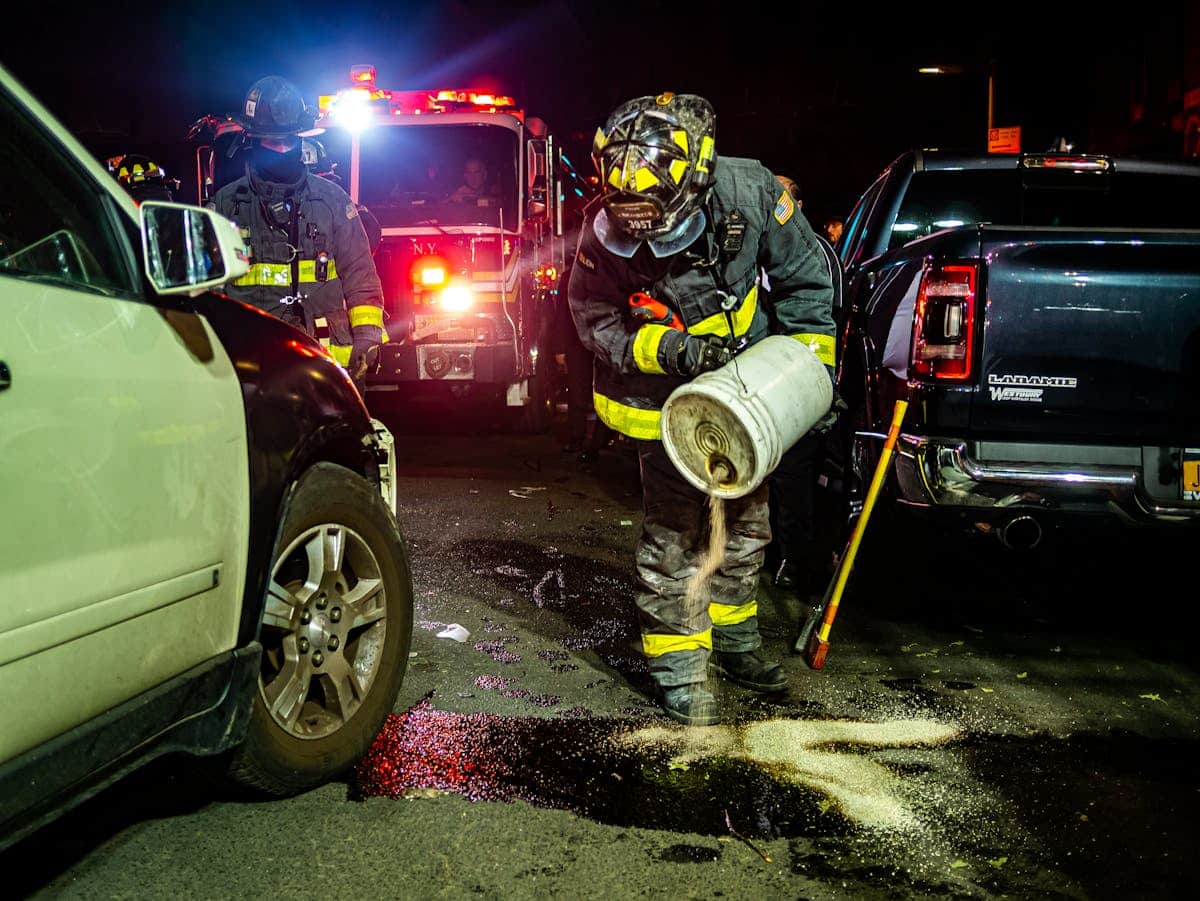
Insurance companies move quickly after serious crashes. That speed isn’t always to your advantage.
Initial settlement offers may not account for:
- Long-term mechanical issues
- Diminished vehicle value
- Future medical treatment
- Lost work time
Truck accidents, especially those involving larger vehicles or towing loads, can have long-term financial consequences.
Before accepting an offer, make sure the full scope of damage — both mechanical and personal — has been properly evaluated.
Documentation Is Critical
After a serious truck accident:
- Photograph vehicle damage from multiple angles
- Document modifications
- Save towing and repair invoices
- Record road and weather conditions
- Keep written communication with insurers
The more documentation you maintain, the stronger your position if disputes arise.
Final Thoughts
Pickup trucks are built tough, but accidents involving them can be anything but simple.
Between structural damage, modification questions, commercial-use issues, and liability disputes, truck accident claims often involve more complexity than drivers expect.
Taking time to fully understand the situation — and not rushing into a quick settlement — is one of the smartest moves a truck owner can make after a serious crash.