A car accident in California triggers a set of legal rules that extend beyond the collision itself. State law governs how responsibility is evaluated, what conduct is legally relevant, and which deadlines control later disputes. Understanding this framework explains why similar accidents can produce very different legal outcomes.
How California Determines Responsibility After a Crash
California law evaluates responsibility by examining how each person’s actions contributed to the events leading up to the collision, rather than isolating a single cause. Many drivers first encounter this structure when reviewing a police report or discussing fault allocation with a car accident attorney in California, as they try to understand how specific behaviors, such as speed, following distance, or failure to yield, affect legal exposure. The focus is on conduct before impact and whether that conduct fell below the standard required by traffic laws.
The state applies a pure comparative negligence system to allocate responsibility. Under this approach, responsibility may be divided among all involved parties based on the degree to which each person’s conduct contributed to the crash. Percentages are assigned using evidence, roadway rules, and factual context, allowing responsibility to be assessed on a graduated scale rather than a single decisive finding.
The Role of Traffic Laws and Driver Conduct
Traffic laws establish the baseline for lawful driving conduct. Speed limits, right-of-way rules, lane markings, turn restrictions, and signaling duties define what drivers are expected to do in specific roadway situations.
A violation does not automatically determine responsibility. Courts and investigators examine whether the unlawful conduct directly contributed to the events leading up to the crash and whether the resulting harm was reasonably connected to that conduct.
Why Evidence Matters Under California Law
California accident law relies on provable facts rather than personal impressions. Physical evidence, such as vehicle damage patterns, skid marks, debris placement, roadway design, traffic signals, and weather conditions, helps reconstruct how the collision occurred.
When evidence is missing or inconsistent, responsibility assessments become less predictable. Decision makers may rely on indirect indicators to fill gaps, which can result in fault being assigned differently than drivers expected at the scene.
Legal Reporting Duties After a Collision
California imposes mandatory reporting obligations that apply regardless of fault. Accidents involving injury, death, or property damage exceeding $1,000 must be reported to the Department of Motor Vehicles within ten days.
Failure to comply can lead to license-related consequences even when responsibility is disputed. These requirements exist to support public safety oversight and accurate record keeping.
Statutory Time Limits That Affect Legal Options
State law imposes firm deadlines on legal action after a crash. In most personal injury cases, a lawsuit must be filed within two years from the date of the accident.
Shorter timelines apply in specific circumstances. Accidents involving government vehicles or unsafe roadway conditions may require formal notice within months rather than years.
Situations Involving Multiple Responsible Parties
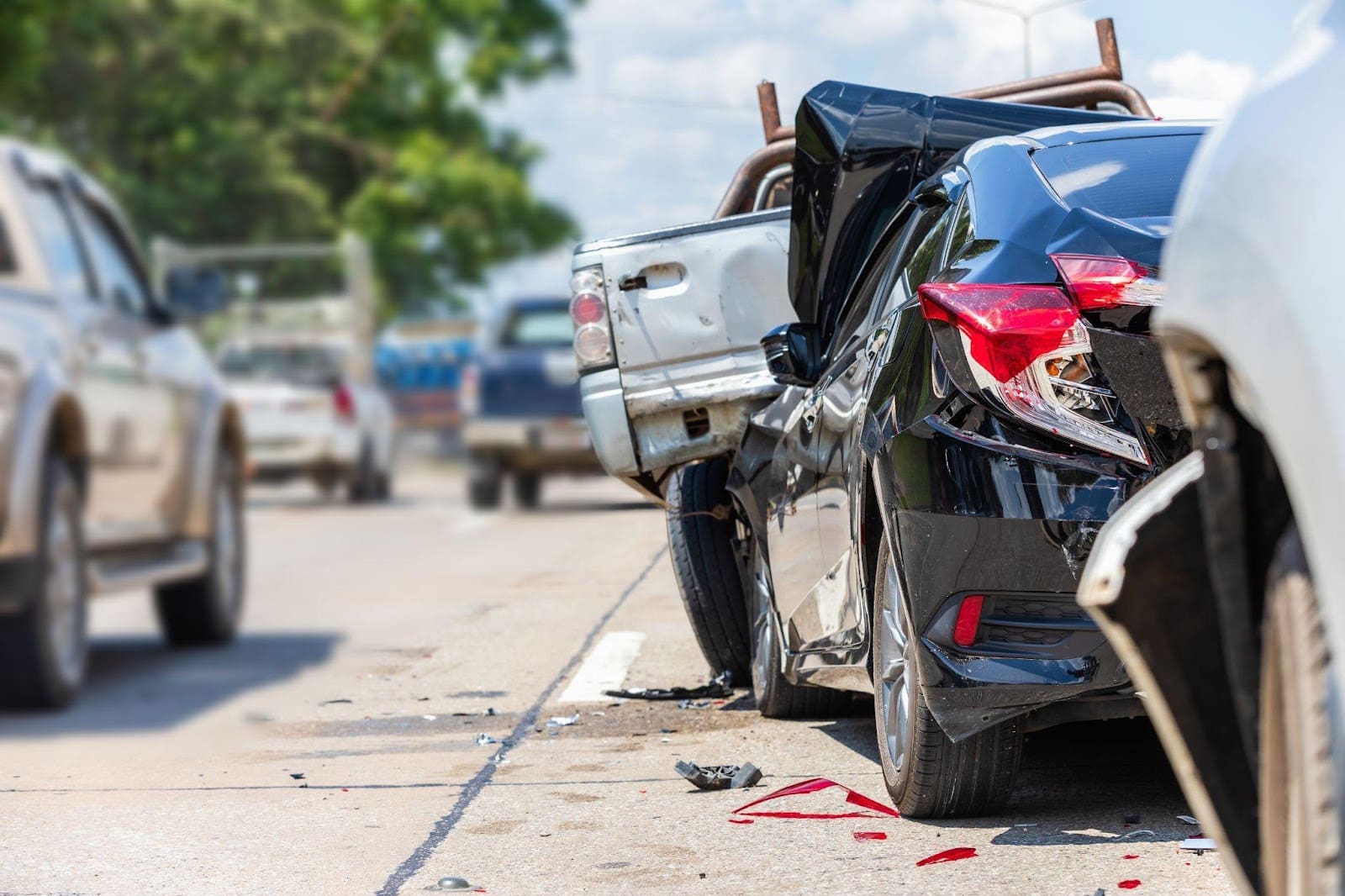
Many collisions involve more than two drivers or extend beyond private individuals. Multi-vehicle crashes, chain reactions, employer-owned vehicles, and public roadways can introduce layered responsibility questions.
Each party’s conduct is evaluated independently. Responsibility may be allocated among drivers, vehicle owners, employers, or public entities depending on the factual record.
How Financial Responsibility Is Addressed Under the Law
California law separates legal responsibility from financial obligation mechanisms. Liability is determined first under negligence principles, and financial responsibility is addressed afterward through applicable legal arrangements.
Disputes sometimes arise when legal responsibility and financial responsibility intersect. These disagreements do not alter fault determinations but can affect how obligations are satisfied once responsibility is established.
Why Similar Accidents Produce Different Results
Two collisions may appear alike while leading to different legal outcomes. Small factual differences, such as speed, visibility, reaction time, or roadway configuration, can shift responsibility percentages.
Legal conclusions reflect the accumulation of details rather than a single moment of impact. Consistent documentation and compliance with legal requirements influence how those details are evaluated.
What California Drivers Should Take Away
California car accident law is structured around shared responsibility, documented facts, and firm timelines established by statute. Your conduct before the collision, your actions immediately afterward, and the quality of records created all influence how responsibility is evaluated under the law. These principles apply consistently, whether the incident involves a minor roadway error or a serious multi-vehicle collision.
The process often feels complex because legal outcomes develop gradually rather than all at once. Traffic rules, physical evidence, medical documentation, and reporting obligations interact over time, sometimes months after the crash itself. Understanding how these elements connect helps explain why early decisions and accurate documentation can shape legal consequences long after the vehicles have been cleared from the road.