
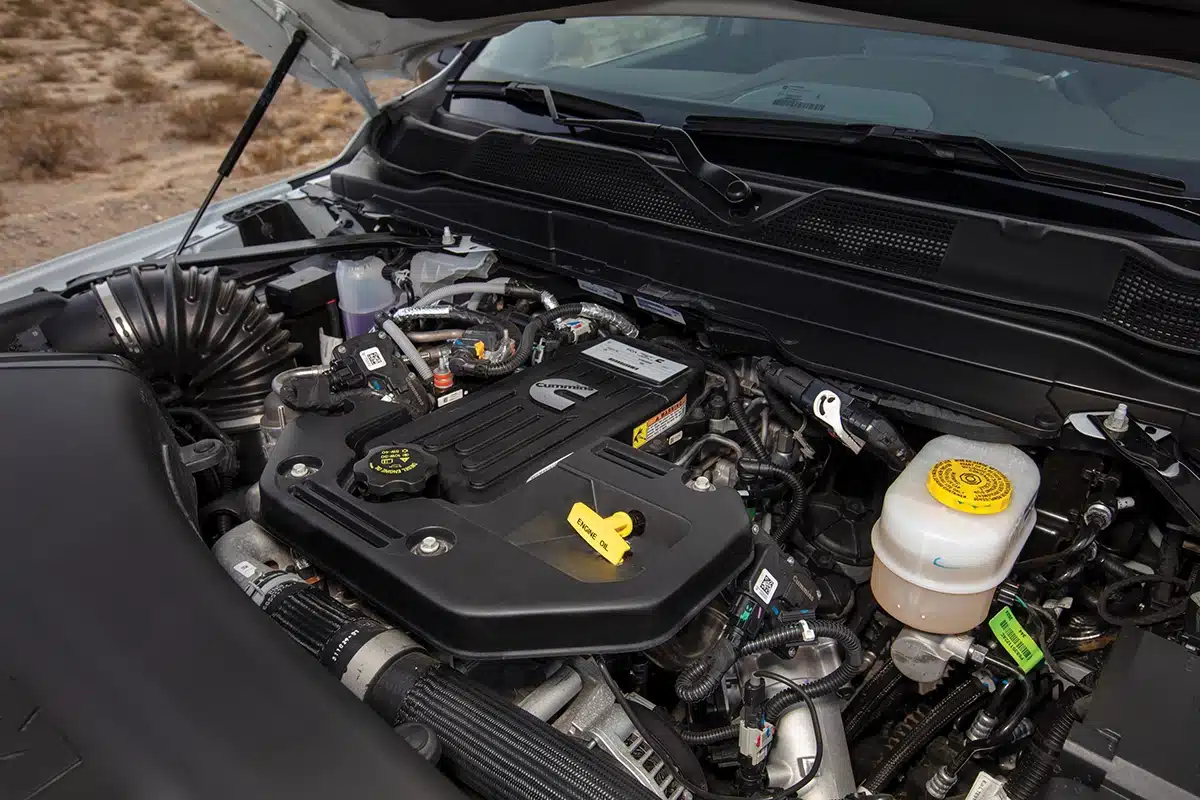
The U.S. Environmental Protection Agency is ramping up its pressure on engine makers to fix persistent persistent diesel exhaust fluid (DEF) system failures that have disrupted farming, trucking, and heavy-equipment operations nationwide. They are demanding detailed data from manufacturers while advancing fixes it says could save family farms millions of dollars annually.
Faulty Diesel DEF Systems Cause Millions In Losses
Sudden engine derates and shutdowns linked to DEF malfunctions continue to pose safety risks and productivity losses, according to the agency. EPA Administrator Lee Zeldin said the issue has been a consistent complaint during his first year in office.
“As I traveled to all 50 states during my first year as EPA Administrator, I heard from truck drivers, farmers, and many others rightly complaining about DEF and pleading for a fix. EPA understands this is a massive issue, which is why we have already established commonsense guidance for manufacturers to update DEF systems,” Zeldin said in a press release. “Today, we are furthering that work and demanding detailed data to hold manufacturers accountable for the continued system failures. The Trump EPA is committed to ending unnecessary frustrations and days lost on the road and in the field for American farmers and truckers.”
The latest action builds on the August, 2025 EPA guidance they sent to engine makers asking them to reverse automatic engine derates and called on manufacturers to update DEF system software across existing diesel fleets. That guidance was designed to prevent abrupt shutdowns and give operators more time to address faults without compromising safety. EPA officials now say that while software updates are essential, long-term reliability also depends on improved system designs and higher-quality components.
Using its authority under Section 208(a) of the Clean Air Act, the EPA is requiring the 14 largest on-road and nonroad diesel engine manufacturers — which together account for more than 80 percent of DEF system usage — to submit data on warranty claims, failure rates, and repair records. The request covers emission control systems from model years 2016, 2019, and 2023 and is intended to determine whether failures are tied to specific generations of components or designs. Manufacturers have 30 days to respond, with noncompliance potentially leading to additional inquiries or penalties.
Beyond enforcement, the EPA is also pointing to broader regulatory changes aimed at reducing economic impacts on rural operators. The agency has proposed updates for 2027 model-year engines that would significantly alter how vehicles respond when DEF levels run low, allowing more operating time and higher power levels before severe torque reductions occur. EPA officials say those changes could translate into hundreds of millions of dollars in reduced downtime and productivity losses for family farms and trucking fleets.
The agency said it continues to meet with manufacturers to monitor progress on software updates and encourage rapid deployment of fixes. At the same time, EPA is working on a proposal to reconsider the 2022 Heavy-Duty Engine and Vehicle NOx rule, including whether engine derates remain necessary for compliance.
According to official documents, the EPA’s 2022 final rule titled “Control of Air Pollution from New Motor Vehicles: Heavy-Duty Engine and Vehicle Standards” is aimed to significantly reduces nitrogen oxides (𝑁𝑂𝑥) and other pollutants from heavy-duty vehicles starting in Model Year 2027. It mandates an up to 80% reduction in 𝑁𝑂𝑥 emissions (to 0.035 g/bhp-hr) and extends the useful life/warranty periods of emission control systems to 650,000 miles, covering wider operating conditions.
EPA officials emphasized that protecting air quality and public health remains central to the agency’s mission, even as it seeks to reduce system failures that disrupt real-world operations in the field and on the road.







4 replies
Loading new replies...
Administrator
Well-known member
Administrator
Moderator
Well-known member
Join the full discussion at the Forum Pickuptrucktalk →