

Dubai’s highways and desert landscapes make an SUV a popular choice for both tourists and residents. When planning an SUV rental Dubai drivers should prepare carefully to avoid surprises. In 2026, the car rental process in the UAE is convenient, but it still requires attention to detail. From confirming your driving credentials to inspecting the vehicle’s condition, following a simple checklist ensures a smooth experience. This article highlights the key things every driver should verify before hitting the road in Dubai with a rented SUV, helping you enjoy your journey across the city and beyond.
Valid License and Driver Requirements
Confirm that you meet the legal and company requirements before renting. In the UAE, 21 is the minimum age to rent, though many agencies insist on 25 or above for premium SUVs. You also need a valid driving license, and if your home country’s license isn’t recognized in the UAE, an International Driving Permit (IDP) as well. Checking these rules ahead of time means no last-minute problems at the rental counter.
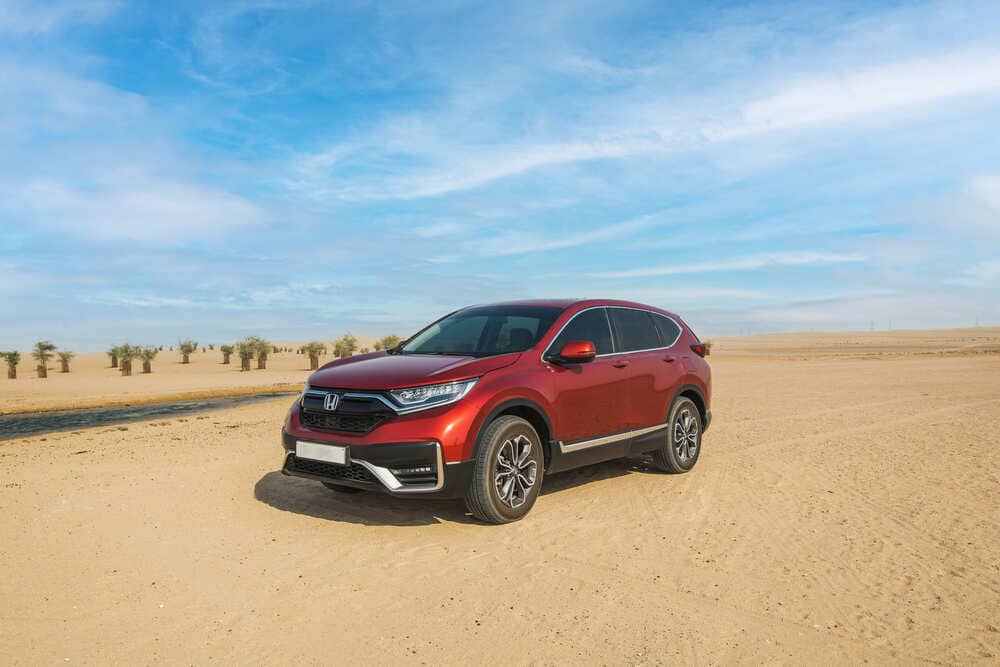
Before pickup, make sure you have all required documents. Most rentals require a passport, a visa, and your driving license (with IDP if needed). A credit card in the main driver’s name is mandatory for the security deposit. Having these documents ready will streamline the Dubai rental process.
Insurance Coverage and Liability
Understand what insurance coverage comes with your SUV rental. By law, UAE rentals include basic third-party liability insurance, which covers damage to other people or property but not to the rental car. If the SUV gets damaged in an accident, you could be responsible for repair costs unless you have additional coverage. Read the rental agreement’s insurance section so you know what is covered before you drive away.
Consider adding supplemental coverage for better peace of mind. Car hire companies offer options like Collision Damage Waiver (CDW) or zero-excess insurance for an added fee. These plans reduce your financial responsibility if the vehicle is scratched or involved in a collision. Also, check if your personal auto or travel insurance covers rentals in the UAE — if so, you can skip buying extra coverage.

Rental Terms, Fuel, and Fees
Review the rental contract for any usage limits or policies. See if there’s a daily mileage cap or if unlimited kilometers are provided, especially if you plan long drives. Note the fuel policy as well (often “full-to-full,” meaning you return the SUV with a full tank to avoid extra charges). Being aware of these basic terms will help you avoid penalties during your rental.
Clarify how additional charges will be handled. Salik tolls are charged automatically and will be billed to you, as will any traffic fines you incur. Most companies block a security deposit on your credit card to cover such costs. Confirm the deposit amount and ask how soon it’s refunded after return.
Vehicle Inspection and Condition
Before you drive off, inspect the SUV’s condition. Walk around to spot any pre-existing scratches, dents, or cracked glass. If you find any, take photos and have the rental agent note them so you aren’t held responsible. Also check that the headlights and indicators are working — if a bulb is out, have it fixed or swap the vehicle before leaving.
Next, check the interior and essential functions. In Dubai’s heat, make sure the air conditioning blows cold and no warning lights stay on after ignition. It’s also wise to glance at the tires for sufficient tread and proper inflation. If anything seems faulty, ask the rental company to address it or provide a different car before you hit the road.
Vehicle Suitability and Restrictions
Choose an SUV model that fits your needs and be mindful of any usage restrictions. Ensure the vehicle has enough seating and luggage space for your group. If you plan to venture beyond city streets, consider renting a four-wheel-drive SUV for better stability and traction.
Be aware of off-road limitations. Most rental agreements strictly forbid taking vehicles off-road into desert dunes. Violating this rule can leave you fully liable for any damage and recovery costs. Moreover, standard rental insurance won’t cover off-road accidents. So if driving in the desert is on your agenda, obtain explicit permission and proper insurance coverage from the rental company — otherwise, it’s safest to stick to paved roads.
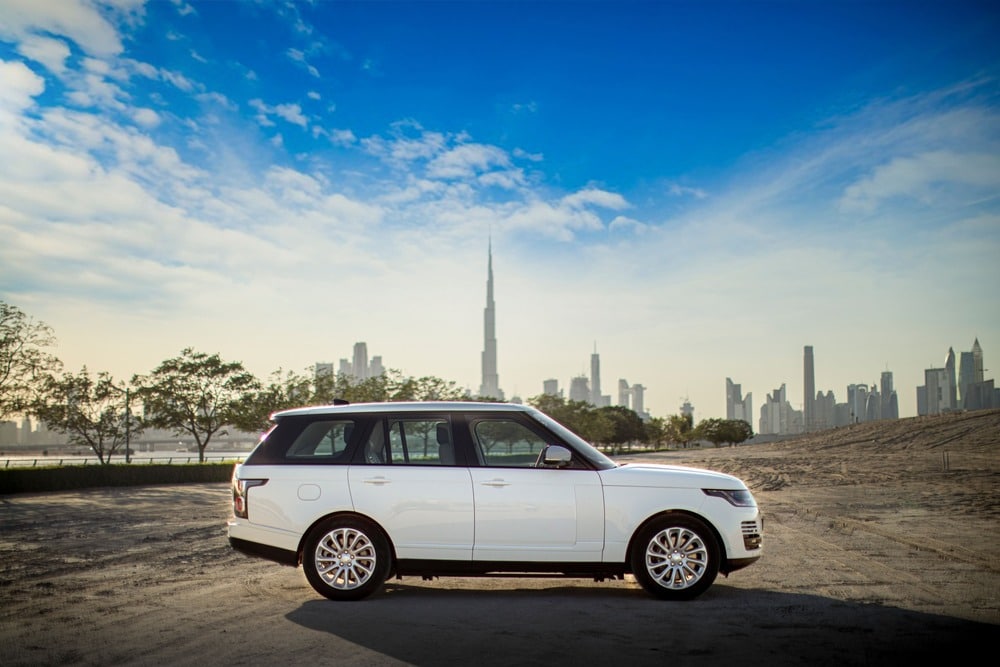
SUV Rental Checklist Summary: 5 Key Things to Verify
Below is a quick overview of the five essential checklist items when renting an SUV in Dubai:
| Checklist Item | What to Verify |
| License & Age | Meet age requirements (21+, 25+ for some SUVs) and have a valid license/IDP. |
| Insurance | Basic third-party included; consider CDW or zero-excess for full coverage. |
| Terms & Fees | Note mileage limit & fuel policy; know how tolls/fines are charged and the deposit refund timeline. |
| Vehicle Condition | Note any existing damage; check tires, lights, and AC are all working properly. |
| Restrictions | Off-road driving is prohibited unless permitted and properly insured; otherwise stay on paved roads. |
Ensuring a Hassle-Free SUV Rental in Dubai
Renting an SUV in Dubai can be the gateway to a great adventure if you take these precautions — a little preparation goes a long way. By verifying your documents, understanding the insurance and rental terms, and inspecting the vehicle, you shield yourself from unexpected hassles. The freedom of having your own wheels means you can explore the city’s attractions or take road trips to the UAE’s desert and mountain landscapes. In summary, following this rental checklist not only protects your wallet from surprise charges, but also ensures the safety and comfort of your journey. With the right car and all checks done, you can confidently set off and enjoy the drive across Dubai’s highways and beyond.