We didn’t just wake up and find electric trucks in widespread use. They were many years in the making, and now it seems every Car company is making them. GM, Ford, Rivian – everyone is involved with promises of instant torque, huge range and greener future.
Once I saw a caption video that promised all sorts of things – everything short of flying probably. And sure, it all looks great on paper. What about the real life though? It seems that when you factor in bad weather, heavy loads and imperfect roads, the picture changes. And that’s why opinions and ratings from drivers are crucial here.
Much more valuable that press releases, which mostly focus on specs, whereas the owners are more interested in whether the performance will live up to a “real” truck.
Life After the Honeymoon Phase
Want to know the real truth? Talk to drivers who put considerable miles on an electric pickup and the range or torque is not what they mention first. It’s how easy they are to live with.
One driver who owns a F-150 Lightning summed it up perfectly in a forum:
“Daily driving feels effortless. It’s quiet, quick, and honestly relaxing. I don’t miss gas stations at all.”
Many drivers share the same sentiment. When it comes to school and work commutes and light hauling EV trucks shine! The instant torque feature makes them feel faster than gas ones. Even when they are loaded.
The worry about range doesn’t go away, but rather changes. The drivers know now what their real numbers are, and plan their routes around them.
EPA Numbers vs Real-World Use
EPA (Environmental Protection Agency) ratings are still something that we heavily rely on and use as a baseline, since they’re comparable and standardized. The problem is that these tests are done in perfect lab conditions, whereas trucks need to be tested on real roads.
The table below illustrates the EPA estimates in comparison with the real-world findings from government and industry testing:
EPA-Rated vs Real-World EV Truck Performance
| Vehicle / Metric | EPA-Rated Range (mi) | Real-World Observations | Source / Link |
| Ford F-150 Lightning (Extended Range) | ~300–320 (EPA) | ~278 miles unloaded; ~210 miles with ~1,400 lb payload | EPA estimates from Ford increase (~300 mi); AAA testing shows range drop with heavy load (~24.5 %) |
| Chevrolet Silverado EV (Max Range) | Up to ~492–493 (EPA) | On the highway conditions or when loaded heavily the range drops significantly | EPA estimate from GM press release (~493 mi) |
| Industry-Wide Load Impact | N/A | EVs can lose ~25 % range when hauling heavy cargo | AAA Study on EVs hauling cargo |
Sources: Ford, ACG AAA, GM, AAA Study
AAA’s testing matters here. It’s not a YouTube pull. It is aimed at real driving conditions and is controlled and repeatable. The finding is super simple – the payload cuts range significantly. That’s not an EV flaw — it’s physics.
Towing Changes Everything
This is where opinions split.
Owners who need to tow sporadically accept the tradeoffs, like range and speed.
Owners who tow often – DON’T!
A Rivian R1T owner wrote:
“When I need to tow my camper, I can only go half as far, compared to the gas vehicle. This is fine for short trips, but I wouldn’t even consider a road trip.”
That’s the current line in the sand. Electric trucks can tow. What they CAN’T do on the other hand, is tow too far without preplanning. Truth be told the charging infrastructure is still far behind the widespread use of trucks.
Maintenance, Costs and Long-Term Questions
Relatively low maintenance is one of the main advantages of the EV trucks. No oil changes. Fewer moving parts. Brake wear is lower thanks to regen.
Tires? That’s the surprise expense. Rubber gets worn out more than drivers expect from the significant weight of the truck and the instant torque.
The concerns of the battery lifespan don’t seem to be high either, as most drivers do trust warranties and plan to upgrade or trade their trucks before wear and tear becomes an issue.
So, Are Electric Trucks Ready?
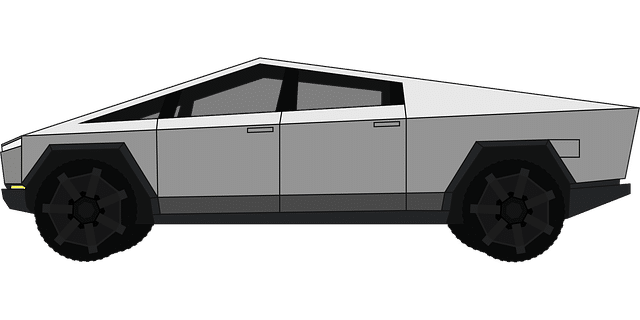
When it come sot driving to school, work or driving on the predictable routes and roads, then yes, Electric trucks are already much better than gas ones in many ways.
However, when it comes to remote world sites, last minute drives and long-haul trips unfortunatelly EV trucks are not ready yet.
As of now, electric trucks can’t and don’t replace the gas trucks. They do challenge them, which is very important to drive progress. And based on the feedback of the drivers and owners, the future of EV is shaped.
The EV trucks of the future will be better than their predecessors, and eventually might replace them completely.
We can only follow the EV industry and hope for better and more useful innovations in the near future, as they are needed and anticipated.