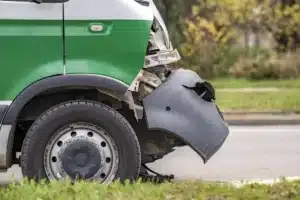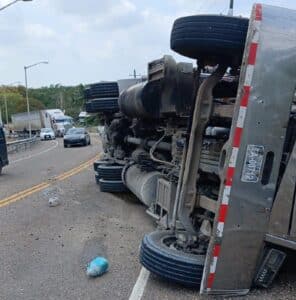
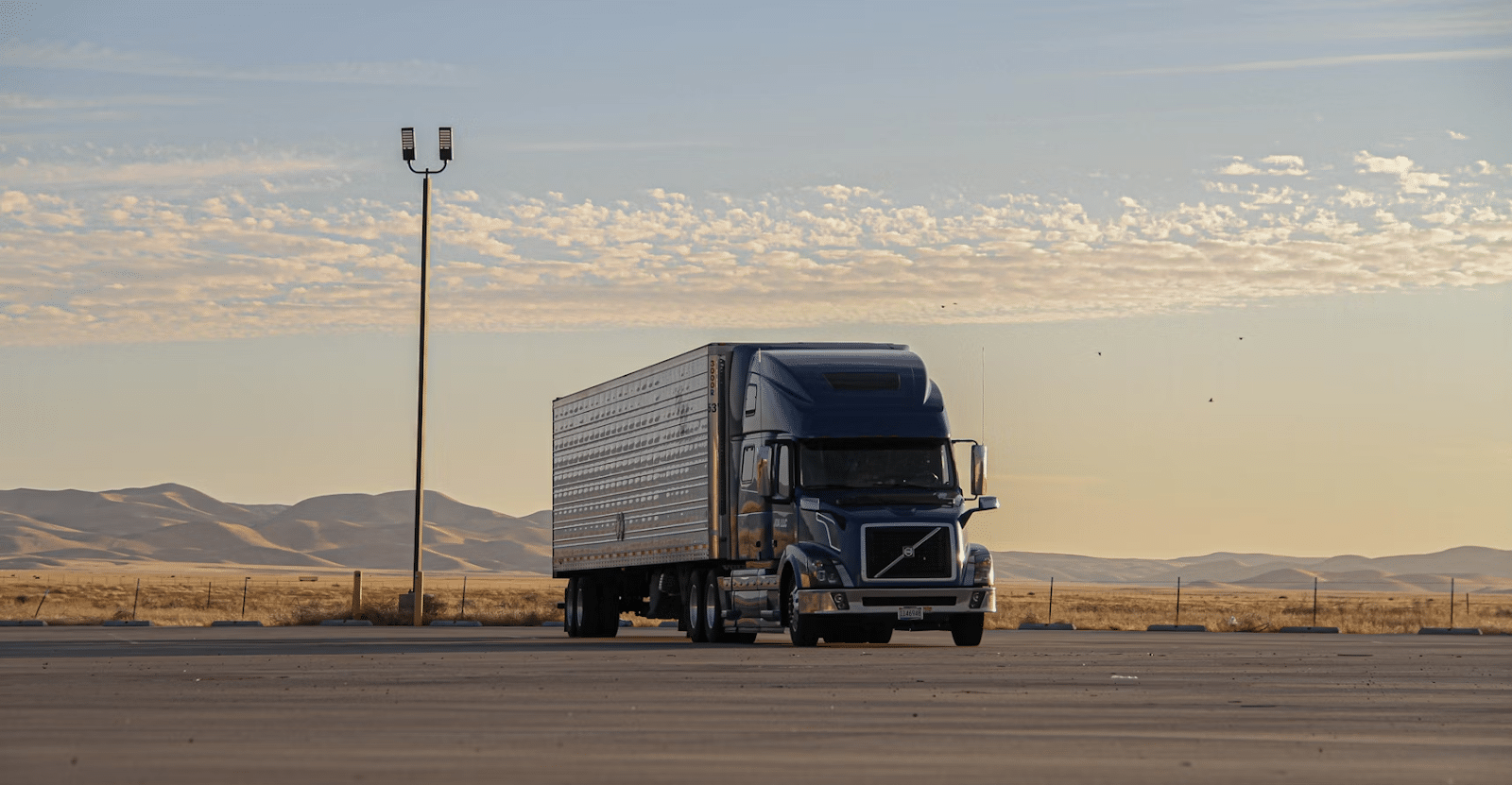
A pickup-truck wreck can be messier than a normal commuter crash: hitches, bed loads, and trailers add details that matter later. In the first hour, your brain wants to “fill in” the story. Resist that.
Stay safe, capture what’s real, and keep your words minimal so you don’t create contradictions. The checklist below is for PickupTruckTalk.com readers who want a clean record for police, insurers, and—when needed—an attorney.
The First 20 Minutes: Safety, A Boring Script, And One Smart Call
Get out of the secondary-crash zone first. If it’s safe and legal, move vehicles out of lanes, turn on hazards, and stand well away from traffic. Call emergency services and request police. AAA’s collision guidance stresses calling the police and getting a report on file, even if the other driver argues against it.
When you speak, use a “boring script”: identify yourself, check for injuries, exchange required info, and stop. Don’t debate fault. If you’re in Texas and you decide you need a Houston car accident lawyer, make sure that you’ve done the preparation beforehand so that you have a number ready, just in case.
Pickup-specific note: if your bed holds expensive tools or other valuables, keep an eye on them while you wait. If the truck will be towed and it’s safe, remove essential belongings first.
What To Photograph: Wide-To-Tight, Then Truck-Specific Details
Think like an investigator: capture the scene evidence first, then vehicles, then close-ups. NHTSA describes crash documentation as recording scene evidence (marks, fluids, struck objects) and vehicle damage—use that same logic with your phone.
- Start wide. Take a slow 360° video from a safe spot showing the intersection, lane markings, traffic signals, and where each vehicle ended up. Follow with wide stills from each corner.
- Go medium. Photograph each vehicle from all sides, plus one shot that includes a landmark (stop sign, driveway, mile marker). If a vehicle was moved for safety, photograph its new position and make a note of why.
- Go tight. Capture impact points, paint transfer, broken glass, airbags, license plates, and the VIN plate at the windshield base. If there’s a commercial truck, photograph DOT/MC numbers.
- Road evidence. Photograph skid marks, gouges, debris fields, and fluid spills. Add weather and lighting shots.
- Pickup/trailer extras. Photograph the hitch receiver, ball mount, safety chains, breakaway cable, trailer plug, and any sway-control hardware. If cargo shifted, photograph tie-down points, straps, and anything that spilled.
AAA’s post-crash guidance also highlights documenting the scene and gathering information, including witness details, because paperwork and claims come later.
What To Write Down: Facts You Can Defend
Photos freeze the “where.” Notes preserve the “when” and “what happened,” but only if you stay disciplined. Open a notes app and capture:
- Time and place: exact time, street names, direction of travel, and weather.
- A plain timeline: short, factual sentences (“Light turned green; I accelerated; other vehicle entered from right”).
- What you directly saw/heard: horn, screeching brakes, a phone in hand, a turn signal on/off—only if you actually observed it.
- Your setup: trailer attached, bed load, lift/tire size, aftermarket bumper, heavy toolbox. These affect stopping distance and damage.
- People: driver names, phone numbers, insurers, plate numbers, and witness contacts.
Record the responding agency, officer name, and report number. In Texas, TxDOT says you can obtain a Texas Peace Officer’s Crash Report (CR-3) through its Crash Report Online Purchase System, so that report number is worth grabbing. Also track symptoms that show up later (headache, neck stiffness, dizziness). Don’t diagnose—just note what you feel and when it starts.
What Not To Say: Keep Your Mouth Out Of Your Claim File
Be polite, but minimal. Three categories of statements create problems:
- Fault statements. Don’t say “It was my fault,” “I didn’t see you,” or even “I’m sorry.” Insurance guidance commonly warns drivers not to admit fault or apologize and to stick to facts only.
- Medical certainty. Don’t declare “I’m not hurt.” Adrenaline can mask injuries; you can say, “I’m going to get checked out.”
- Story-building. Don’t guess speeds, distances, or what the other driver “must have been doing.” If you don’t know, don’t fill it in.
If the other driver is angry, step back and wait for police. If they push for an off-the-record cash deal, your safest answer is, “I’m following the normal process.”
After You Leave: Preserve Evidence, Protect Privacy, And Get Help If It’s Complex
Back up everything. Save photos and notes in two places. If you have dashcam footage, export or lock the clip quickly because loop recording can overwrite older files. Photograph your truck on the tow truck and again at the yard before any repairs.
Get medical care when needed. Even “minor” symptoms can matter later; prompt evaluation creates a clearer timeline.
Notify your insurer promptly and stick to facts: location, time, vehicles involved, report number, and your documentation. If you’re unsure how to handle a recorded statement or a commercial-vehicle claim, consider legal advice first.
If you can, write a quick post-crash memo that night: what you remember, how you slept, and any new pain. Small details fade fast, but contemporaneous notes help you avoid relying on memory alone.
When you vet attorneys, look for experience with trucking and motor-vehicle cases. Examples of firms that market this kind of work include Arnold & Itkin’s Houston truck accident lawyer practice, Morgan & Morgan’s trucking accident attorneys, Hupy and Abraham’s truck accident representation, and specialist firms like Truck Wreck Justice.
Finally, treat documents as sensitive. TxDOT’s crash-report system provides reports via online purchase, and those reports can include personal identifiers—so don’t post full reports, licenses, or policy numbers in a forum thread.
Screenshot-Friendly Micro Checklist
- Safety
- 911/police
- Photos (wide-to-tight)
- Witnesses
- Notes
- Backup
- Say less
- And keep it simple always.

Wrapping Up
In the end, the best wreck checklist is the one that keeps you safe and keeps your record clean. Prioritize getting out of danger, calling for help, and letting police document the basics. Then use your phone like a tool: wide shots first, close-ups second, and pickup-specific details (hitch, trailer gear, cargo) so nothing important is “forgotten” later. Write down only what you know, not what you assume, and keep your conversation simple—names, numbers, and facts. Back everything up the same day, monitor how you feel, and get support if the claim turns complicated or contentious.