Introduction
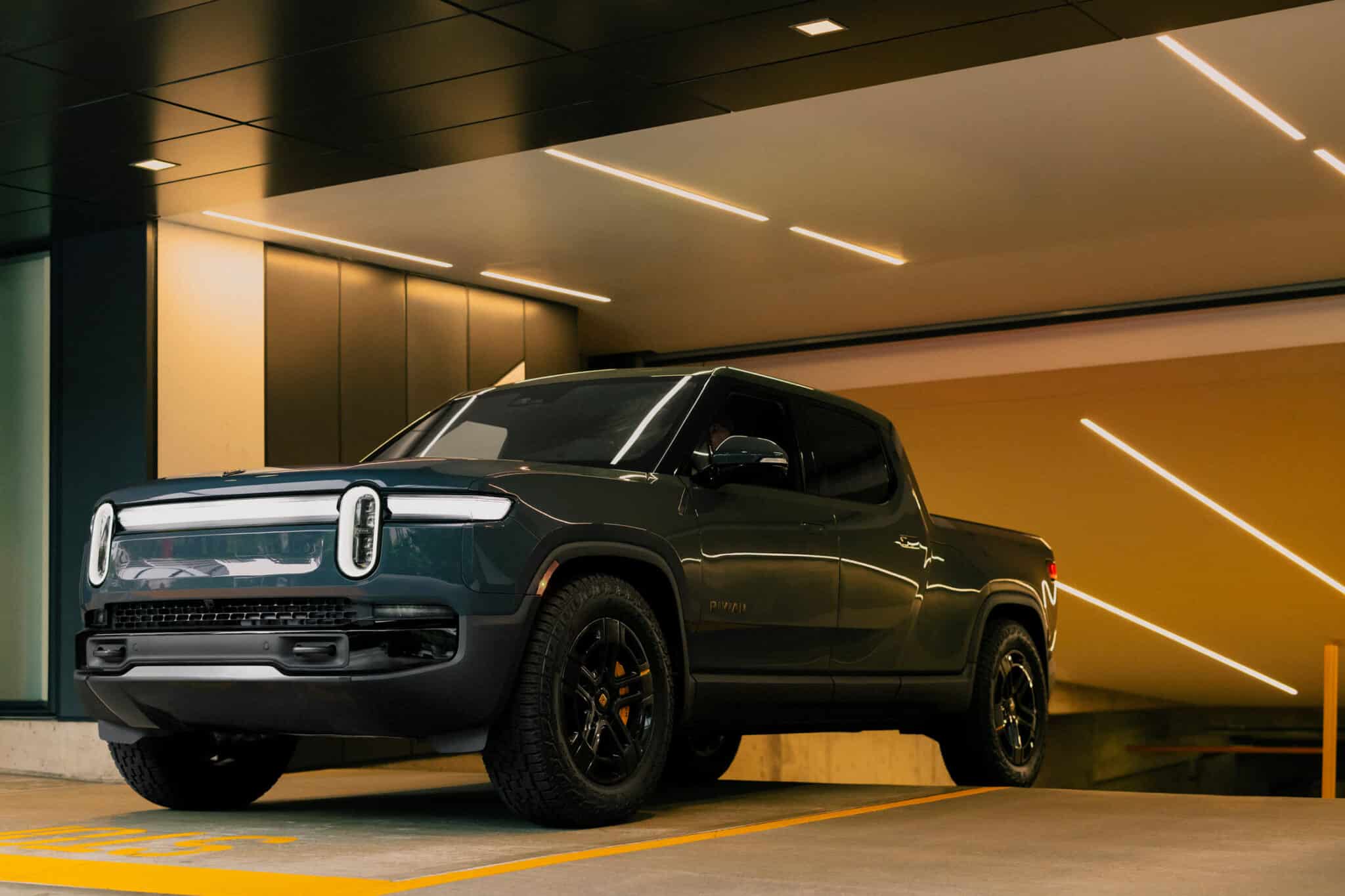
The Rivian R1T is arguably one of the most capable electric vehicles on the market, built specifically to handle dirt, snow, and everything in between. However, taking this beast on a massive cross-country haul presents some logistical hurdles. While it’s designed for adventure, Rivian R1T charging on the open road requires a bit more than just plugging in at a charging station.
Want to know how to navigate these challenges without getting stranded? Keep reading…
Why Long Road Trips Are More Challenging for the Rivian R1T
When you’re just driving to the office or the grocery store, you probably don’t think twice about your battery. But elsewhere, specifically on the interstate, things change fast.
The R1T is a heavy machine, and physics does not play favorites when you’re pushing 75 miles per hour for hours on end. Honestly, the way the truck handles energy at high speeds can be a bit of a wake-up call for new owners who are used to city efficiency.
High-Speed Energy Consumption vs. EPA Ratings
The EPA rating on the window sticker is well and good, but it rarely accounts for the reality of Western interstates where the speed limit is 80. As of late, many drivers have noticed that sustained high speeds eat into the range significantly faster than expected.
We would say that once you cross that 70-mph threshold, the drag on a large pickup becomes the primary enemy. It’s not just about the battery size; it’s about how much force is required to move that “brick” through the air. You’d think a massive battery would make it simple, but sometimes the consumption rate outpaces the convenience.
The Impact of Gear, Cargo, and Elevation
Speaking of which, most people don’t buy an R1T to drive it empty. You’ve probably got a rooftop tent, a couple of mountain bikes on the rack, or a bed full of camping gear.
All in, this extra weight and—more importantly—the ruined aerodynamics can tank your range by another 10-15%.
Then there’s the elevation. Climbing a mountain pass in Colorado or the Sierras puts a massive load on the motors. While you do get some of that energy back through regenerative braking on the way down, the initial climb can be nerve-wracking if you have not planned your next stop perfectly.
Why Charging an Electric Pickup Truck Is Different
It’s easy to group all EVs together, but electric pickup truck charging is a different beast entirely compared to a sedan.
Sedans are designed to slip through the wind; trucks are designed to haul. This fundamental difference in utility means the energy demands are fundamentally higher. Having said that, the size of the battery pack also changes the math of your pit stop.
On the whole, a larger battery does not always mean a faster trip. Because the R1T has such a massive pack, you’re often sitting at a charger longer to get the same percentage of range back compared to a smaller car. It’s a bit of a trade-off. You get the utility of a truck, but you have to be patient with the physics of moving that much electricity into the cells. Elsewhere, smaller EVs might be in and out in twenty minutes, whilst the R1T is just getting warmed up.
Public Charging Limitations for the Rivian R1T on Road Trips
Now, talking of the actual charging stations, this is where the “adventure” part of the R1T really meets reality.
Most of the current infrastructure was built when the Tesla Model S and the Nissan Leaf were the only players in the game. That means the stalls were designed for cars that are much narrower and shorter than a modern electric pickup.
Infrastructure Designed for Small Vehicles
Have you ever tried to maneuver a full-sized pickup into a charging stall designed for a Chevy Bolt? It’s not fun. Many public chargers are located in the far corners of parking lots with tight turns and narrow lanes.
What If you’re towing a trailer? Which btw many R1T owners do. It’s nearly impossible to charge without unhooking the trailer entirely. Pull-through chargers are still strangely rare, which adds an extra 15 minutes of labor just to get the truck into a position where the cable can actually reach the port.
Reliability and Rural Charging Deserts
That being said, the biggest headache is not the size of the stall; it’s whether the charger works at all. In terms of rural travel, you’re often relying on a single high-speed charger in a small town. If that unit is down, you’re in a tough spot. These charging deserts are particularly common once you get off the main interstates.
For a while, it felt like the network was expanding fast, but the reliability has not always kept pace. Better yet, the wait times at popular stops can grow quickly, as more electric pickup trucks on road trips start vying for the same few plugs.
Why Backup Charging Options Can Be Helpful on Long Trips
Because of these gaps, many owners have started taking a “better safe than sorry” approach. It’s somewhat common now to see R1T drivers checking in at campgrounds or RV parks when the local Electrify America station is dark. It’s not the fastest way to get a charge, but it’s arguably the most reliable.
Bridging the Gap in Remote Locations
In general principle, having a plan B is just good sense when you’re heading into the backcountry. Perhaps you’re staying at a remote Airbnb that only has a standard outlet, or maybe you found a park with NEMA 14-50 hookups.
In these scenarios, carrying a portable EV charger for electric pickup trucks can be a lifesaver. It acts as a neutral backup for those moments when the high-speed infrastructure is not an option.
Long story short, being able to plug into a 240V outlet at a friend’s house or a campsite can be the difference between making it to the trailhead or waiting for a tow truck.
Frequently Asked Questions
How does towing affect the Rivian R1T’s charging frequency?
Towing can cut your range by nearly 50%, depending on the weight and shape of the trailer. This means you’ll be stopping twice as often. It’s well worth planning for shorter stints between chargers if you’ve got a boat or a camper behind you.
Are Rivian Adventure Network (RAN) chargers better for trucks than third-party stalls?
Generally, yes. Rivian designed their own stalls to be more truck-friendly, and they tend to have better uptime. That said, they are not everywhere yet, so you’ll still be relying on third-party networks for most of your cross-country travel.
Can I use a standard 120V outlet to charge during a road trip?
You could, but it’s painfully slow. You’re looking at maybe 2-3 miles of range per hour. It’s okay for an emergency or if you’re staying somewhere for three days, but for a fast-moving road trip, it’s barely a drop in the bucket.
How much range do you actually lose in cold weather on the highway?
Quite a bit. Between the heater running and the battery chemistry slowing down, you might see a 20-30% drop in efficiency. If it’s freezing and you’re doing 75 mph, the odds are you’ll need to be much more conservative with your stop-to-stop planning.
Conclusion
The Rivian R1T is a phenomenal piece of engineering, but it exists in a world where the infrastructure is still catching up.
Charging challenges are simply part of the package when you’re an early adopter of an electric pickup.
While the truck is more than capable of handling the miles, long road trips require a level of awareness and foresight that gas-car drivers just don’t have to deal with yet. It’s all part of the adventure, we suppose…