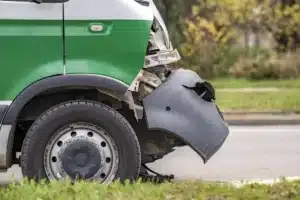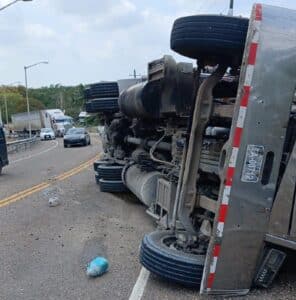
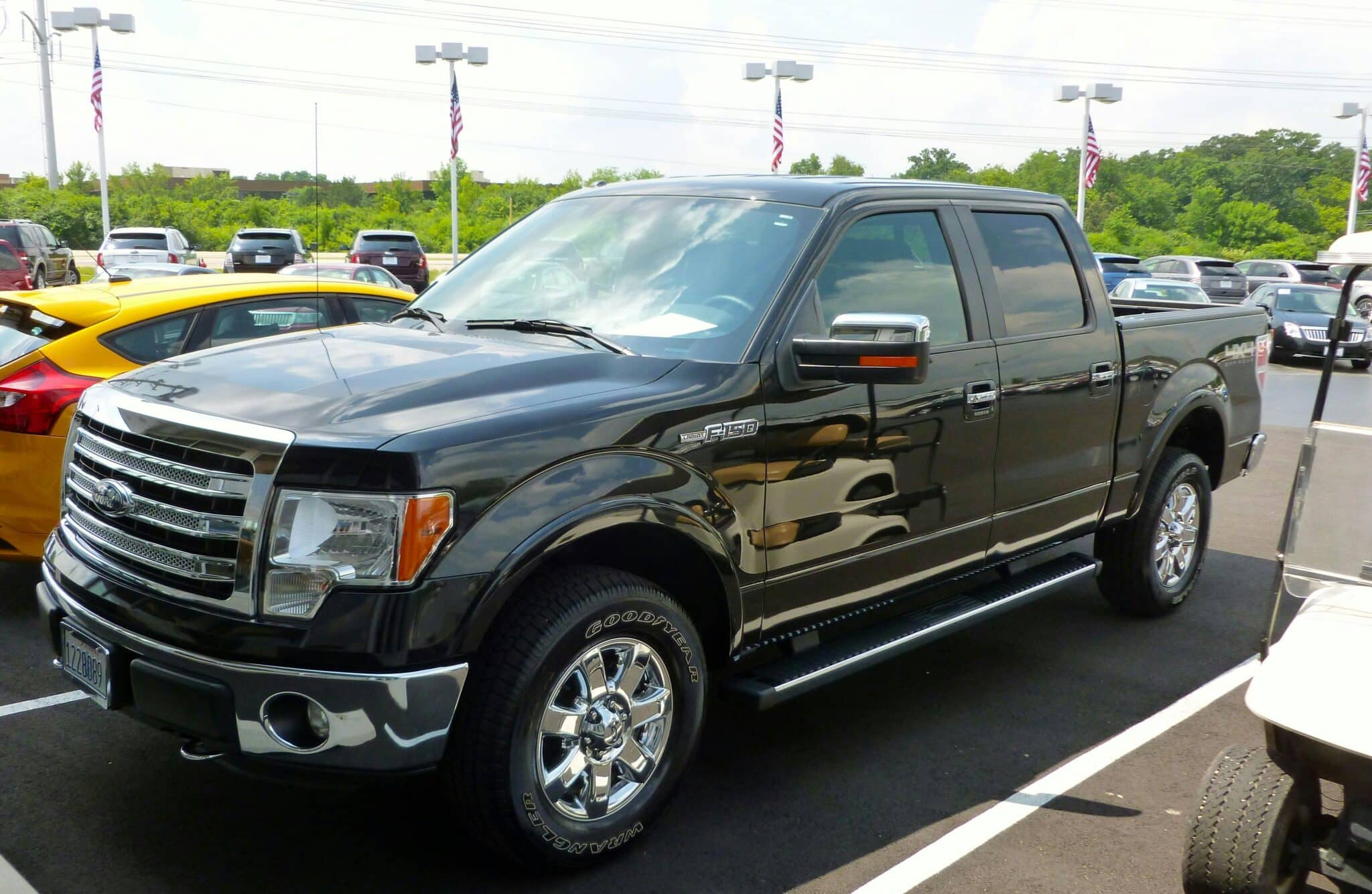
Your truck can look perfect and still be worth less if it has an accident history. This gap between what your truck was worth before the crash and what it is worth after repairs is called diminished value.
It shows up in trade-in offers and private-sale negotiations, especially when reports flag “accident” with no context. Fortunately, you can measure it and push back with evidence. Here are five things to know so you can protect resale value while you handle repairs and claims.
- Diminished value is a real claim, and you can pursue it
Think of diminished value as a separate loss, not something that disappears once the body shop is done. Even when repairs look perfect, many buyers and dealers still pay less for a pickup with an accident on its record. This difference can be part of a claim if the facts support it.
A Houston truck accident attorney can help you frame the diminished value argument, organize the evidence that carries weight, and push back when an insurer tries to treat the loss as “already covered” by repairs.
- Severity and repair type determine the amount
Diminished value jumps when the crash touches structure or safety systems, even if the truck looks fine. Frame pulls, bed replacement, airbag deployment, and axle or suspension hits raise buyer doubts fast. Newer pickups also need sensor checks, so ADAS calibration records matter. Ask the repair shop for the estimate and final invoice, plus pre-scan and post-scan reports. These details help to explain why the value drop is bigger.
- Documentation is crucial
Diminished value claims need solid proof. Save crash photos, tow invoices, repair estimates, added repair supplements, parts lists, and the final paid bill. Keep a short note on how the damage happened and what got replaced. Be sure to also add pre-accident photos, service records, and any recent upgrades; they help set your true baseline.
Additionally, ask the repair shop for alignment sheets, calibration reports, and paint details. If anything was blended or repaired instead of fully replaced, write it down. Clear paperwork is harder for an insurer to brush off as guesses.
- Timing and sales strategy matter more than people think
Do not rush to sell right after repairs if you can avoid it. Confirm there are no warning lights, pulling, vibrations, or paint defects. Then get an independent appraisal or market comparison from reputable sources.
When you list, be honest about the repair and show your documentation. Transparency builds trust. You may not erase diminished value, but you can shrink the discount by proving the work was thorough.
- Trade-in offers often hide the real discount
Dealers love using accident history as a fast reason to cut your number. Before you accept a trade, get at least two offers and compare them to private-party listings with similar histories. Be sure to ask the dealer to show you how they adjusted for the accident.
If you plan to keep the truck, diminished value still matters. It can affect what you can borrow against later, and it can change how future total-loss math plays out.
Endnote
Diminished value is real money, even when the paint matches and the gaps line up. Treat it like a separate loss, build your evidence stack, and estimate the value drop using similar local pickups as your benchmark. If you stay organized, you are far less likely to get boxed into a low number.