Pickup trucks have become America’s favorite vehicles, with models like the Ford F-150, Chevy Silverado, and Ram 1500 consistently topping sales charts. However, with their increased size, weight, and popularity on our roads, understanding the unique safety considerations and potential legal implications of truck accidents has never been more important for owners.
The Reality of Pickup Truck Accidents
Modern pickup trucks are engineering marvels packed with advanced safety features like automatic emergency braking, blind spot monitoring, and lane-keeping assist. Despite these technological advances, the physics of a collision involving a full-size truck weighing between 4,500 and 7,000 pounds creates scenarios that differ significantly from typical passenger car accidents.
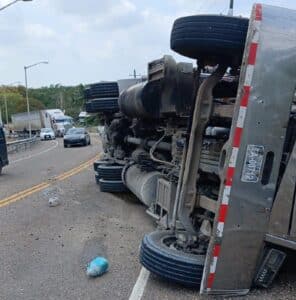
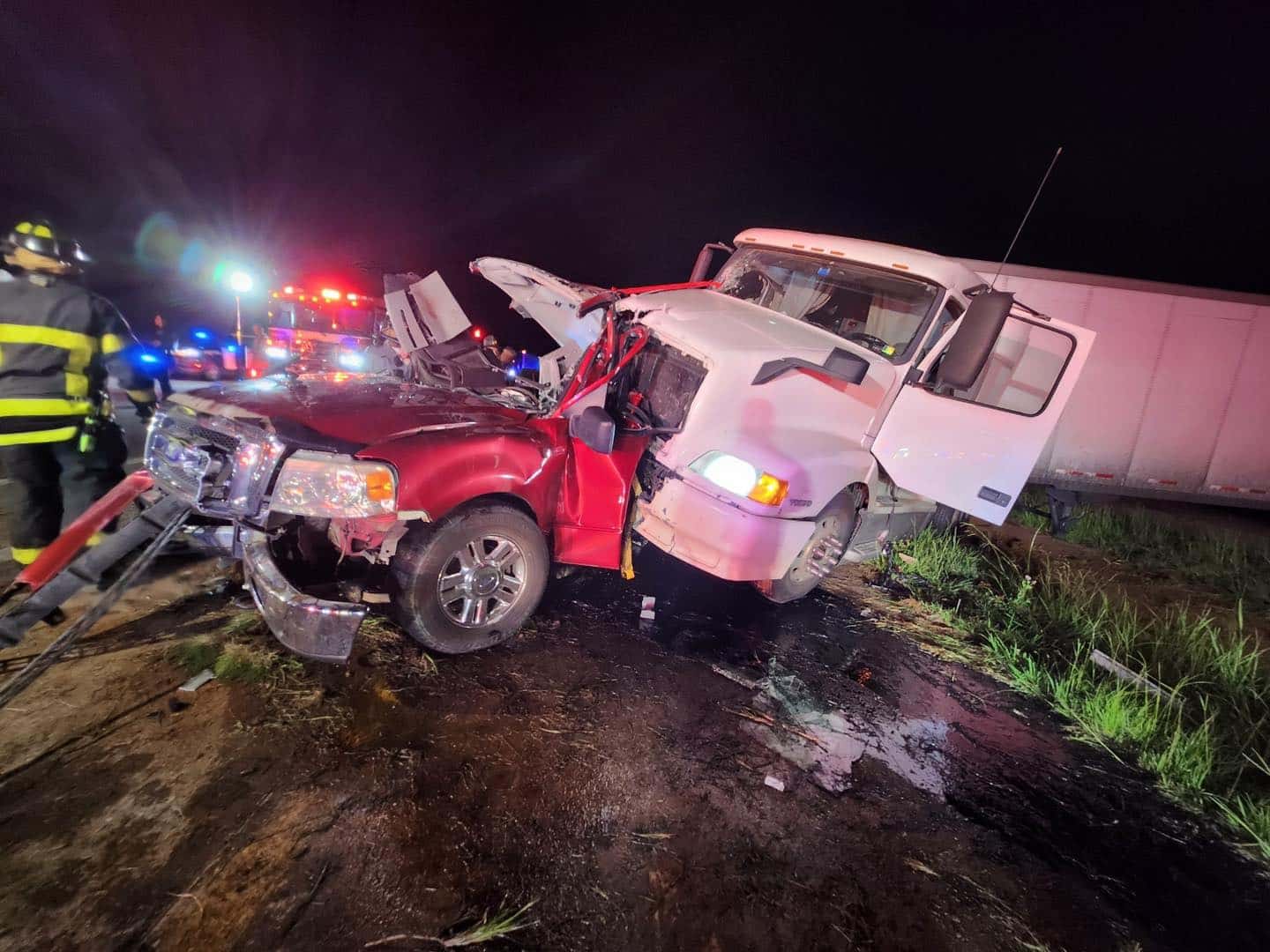
The elevated ride height and increased mass of trucks can result in more severe impacts, particularly in collisions with smaller vehicles. While this often provides better protection for truck occupants, it also means that when accidents do occur, the consequences can be substantial for all parties involved.
Common Causes of Truck Accidents
Pickup truck owners face unique risk factors on the road. The larger blind spots inherent to trucks, especially when towing trailers or hauling cargo, require constant vigilance. Improper loading that exceeds payload capacity can affect handling and braking distances. Additionally, many truck owners use their vehicles for work purposes, leading to higher mileage and more time on the road, which statistically increases accident exposure.
Weather conditions also play a significant role. Empty trucks have less weight over the rear wheels, which can lead to reduced traction in rain or snow. Conversely, overloaded trucks require longer stopping distances and may experience stability issues. Understanding your truck’s capabilities and limitations in various conditions is crucial for safe operation.
The Financial Impact of Truck Accidents
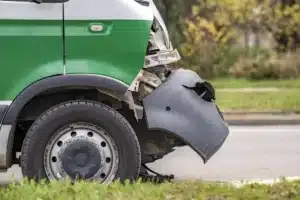
When accidents happen, truck owners often face complex financial situations. Repair costs for modern pickups can be substantial, given their sophisticated technology and expensive parts. A damaged tailgate on a 2025 F-150 with an integrated step and camera system can cost thousands of dollars to replace. Add in sensors, advanced lighting, and computer modules, and repair bills quickly escalate.
Beyond vehicle repairs, accidents can result in medical expenses, lost wages, and other financial burdens. For Texas truck owners, understanding the legal landscape becomes essential. Jay Murray Law provides comprehensive information about typical car accident settlement amounts in Texas, helping drivers understand what to expect if they’re involved in a collision.
Insurance Considerations for Truck Owners
Pickup truck insurance can be more expensive than coverage for standard passenger vehicles, particularly for heavy-duty models or trucks used for business purposes. Liability limits become especially important given the potential severity of accidents involving larger vehicles. Many experts recommend higher liability coverage than state minimums, as settlements in serious accidents can easily exceed basic policy limits.
If you regularly tow trailers, haul heavy loads, or use your truck for work, ensure your policy adequately covers these activities. Some insurers require commercial coverage for business use, and failing to have appropriate coverage could leave you personally liable in an accident.
Protecting Yourself as a Truck Owner
Prevention remains the best strategy. Regular maintenance checks are crucial, particularly for braking systems, tires, and suspension components that work harder on heavier vehicles. Before towing, always verify your truck’s payload and towing capacity ratings, and ensure loads are properly secured and distributed.
Invest time in understanding your truck’s safety features and how to use them effectively. Modern trucks offer remarkable technology, but these systems are aids, not replacements for attentive driving. Adjust your driving style for conditions and cargo, allowing extra following distance when loaded or towing.
What to Do After an Accident
If you’re involved in an accident, prioritize safety first by moving to a safe location if possible and checking for injuries. Document everything with photos of vehicle damage, road conditions, and the accident scene. Exchange information with other parties but avoid discussing fault or making statements that could be used against you later.
Contact your insurance company promptly, but consider consulting with a legal professional before providing detailed statements, especially if there are injuries or significant property damage.
The Bottom Line for Truck Owners
Owning a pickup truck comes with responsibilities that extend beyond routine maintenance and fuel costs. Understanding the unique safety considerations, insurance requirements, and legal implications of accidents helps protect both your investment and your financial future. Whether you use your truck for weekend adventures, daily commuting, or work purposes, being informed about accident risks and legal rights ensures you’re prepared for whatever the road brings.
Stay safe out there, and remember that the best accident is the one that never happens. Drive defensively, maintain your vehicle properly, and always operate within your truck’s capabilities. Your pickup truck is built to handle tough jobs, but it’s up to you to handle it responsibly.