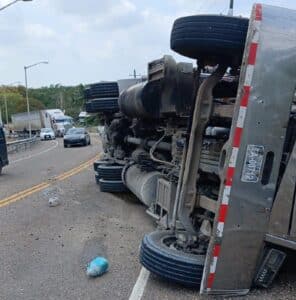
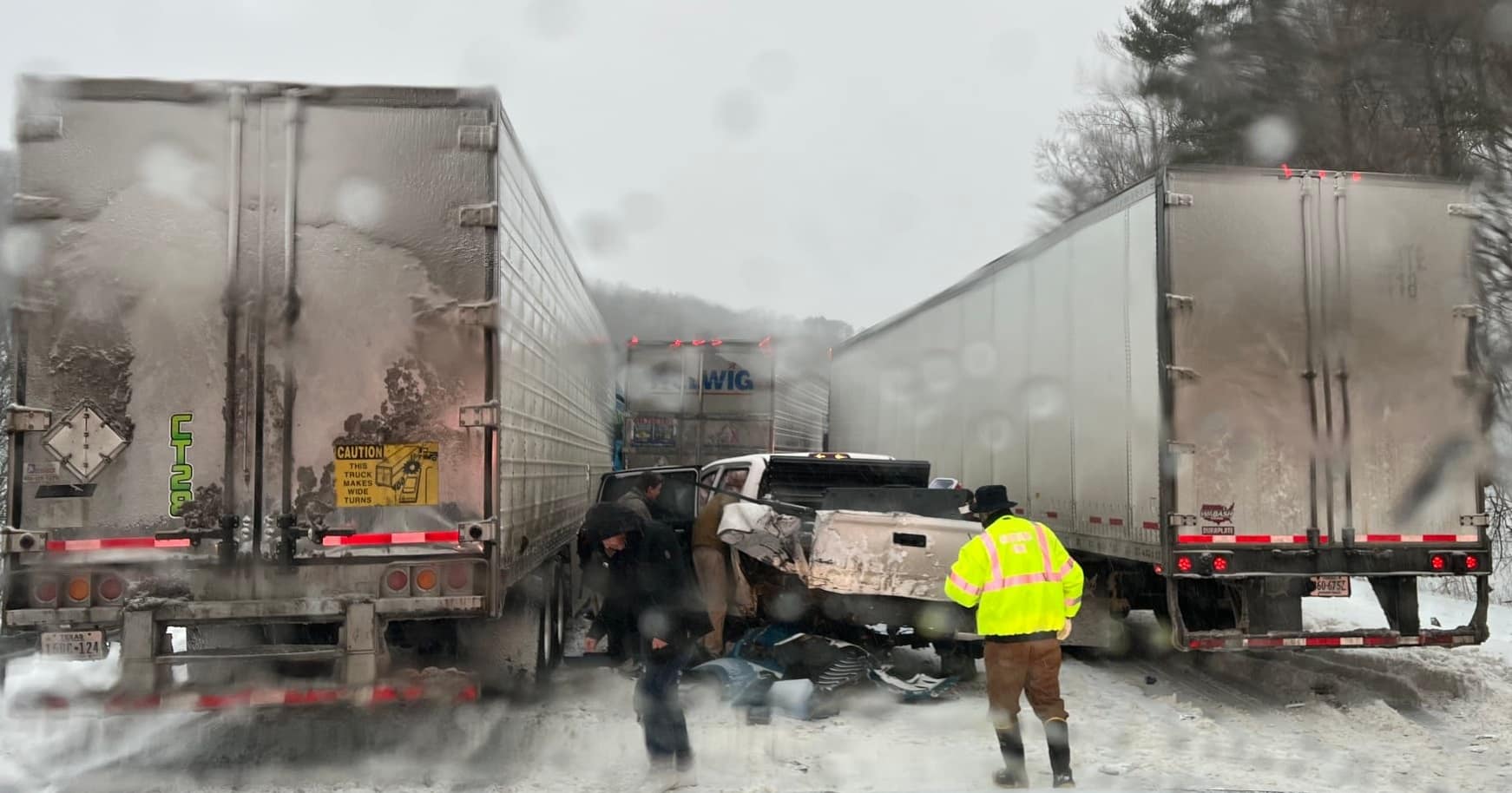
Pickup truck accidents can be traumatic events that leave victims shaken and confused. In the immediate aftermath of a collision, adrenaline surges through your body, potentially masking serious injuries that may not become apparent until hours or even days later. For truck owners and drivers, understanding the nature of delayed injuries is crucial for protecting both your health and your legal rights.
Why Pickup Truck Accidents Are Particularly Dangerous
The substantial size and weight of modern pickup trucks, with full-size models like the Ford F-150, Ram 1500, and Chevrolet Silverado weighing between 4,000 and 7,000 pounds, create tremendous force during collisions. According to the National Highway Traffic Safety Administration, approximately 388,000 truck accidents occur annually in the United States. Many victims make the critical mistake of assuming they’re uninjured simply because they feel fine immediately after the accident.
The Adrenaline Effect: Your Body’s Natural Pain Blocker
When your pickup truck is involved in a collision, your body’s fight-or-flight response kicks in immediately. This physiological reaction floods your system with adrenaline and endorphins, powerful chemicals that can effectively mask pain and injury symptoms. You might feel energized, alert, and completely fine, even if you’ve sustained significant injuries.
This adrenaline rush can last for several hours after an accident, creating a false sense of wellbeing. During this time, you may exchange insurance information, speak with police officers, and even drive your truck home without realizing you’ve been injured. It’s only when the adrenaline wears off that the true extent of your injuries becomes apparent.
Common Delayed Injuries in Truck Accidents
Whiplash and Soft Tissue Injuries
One of the most common delayed injuries following a truck accident is whiplash. This occurs when your head and neck are suddenly jerked forward and backward during impact. The symptoms, neck pain, stiffness, headaches, and dizziness, may not appear for 24 to 48 hours after the collision. Because pickup trucks sit higher off the ground than sedans, the forces involved in whiplash can be particularly severe.
Concussions and Traumatic Brain Injuries
Head injuries are especially concerning because their symptoms can be subtle initially. You might experience a slight headache at the accident scene but develop more severe symptoms like confusion, memory problems, vision changes, or severe headaches days later. Given the height and mass of pickup trucks, head injuries can occur even in seemingly minor fender-benders.
Internal Bleeding and Organ Damage
The blunt force trauma from a truck collision can cause internal bleeding or organ damage that isn’t immediately apparent. The abdomen is particularly vulnerable, and injuries to the spleen, liver, or kidneys may not show symptoms until significant internal bleeding has occurred. Understanding how long after a car accident can injuries appear is vital for recognizing when delayed symptoms might indicate a serious problem requiring immediate medical attention.
Back and Spinal Injuries
Herniated discs and other spinal injuries may not cause immediate pain due to inflammation that takes time to develop. Symptoms like numbness, tingling, or radiating pain down the legs might not appear until days after the accident.
Why Immediate Medical Evaluation Is Critical
Even if you feel completely fine after your truck accident, seeking immediate medical evaluation is essential. A thorough examination can identify injuries before they become severe, document your injuries for insurance purposes, and establish a clear connection between the accident and your medical condition.
Medical professionals know what to look for and can perform diagnostic tests, such as X-rays, CT scans, or MRIs, that reveal hidden injuries. This documentation becomes invaluable if you need to file an insurance claim or pursue legal action later.
Protecting Your Rights as a Truck Owner
Delaying medical treatment can jeopardize insurance claims. Insurance companies may argue that injuries appearing days after an accident weren’t caused by the collision. By seeking immediate medical attention and documenting symptoms, you create a clear link between your injuries and the accident.
Keep detailed records of all medical appointments, treatments, and how injuries affect your daily life. Take photographs of visible injuries and vehicle damage to strengthen your position when dealing with insurers.
The Unique Considerations for Commercial Truck Drivers
If you drive your pickup truck for work, whether in construction, landscaping, or any other trade—delayed injuries can have serious financial implications. You may be unable to work for weeks or months, losing income while medical bills pile up. Understanding the timeline of potential injuries helps you plan accordingly and seek appropriate compensation.
Don’t Wait: Act Now
Never assume you’re uninjured just because you feel fine immediately after an accident. Seek medical attention right away, monitor yourself for developing symptoms in the following days and weeks, and return to your doctor if new problems arise. Your health and legal rights depend on the actions you take in the critical hours and days following a truck accident.
Understanding the reality of delayed injuries and taking proactive steps to address them protects both your wellbeing and your financial future. The powerful trucks we rely on for work and recreation can be involved in serious accidents, being prepared and informed makes all the difference in your recovery.