
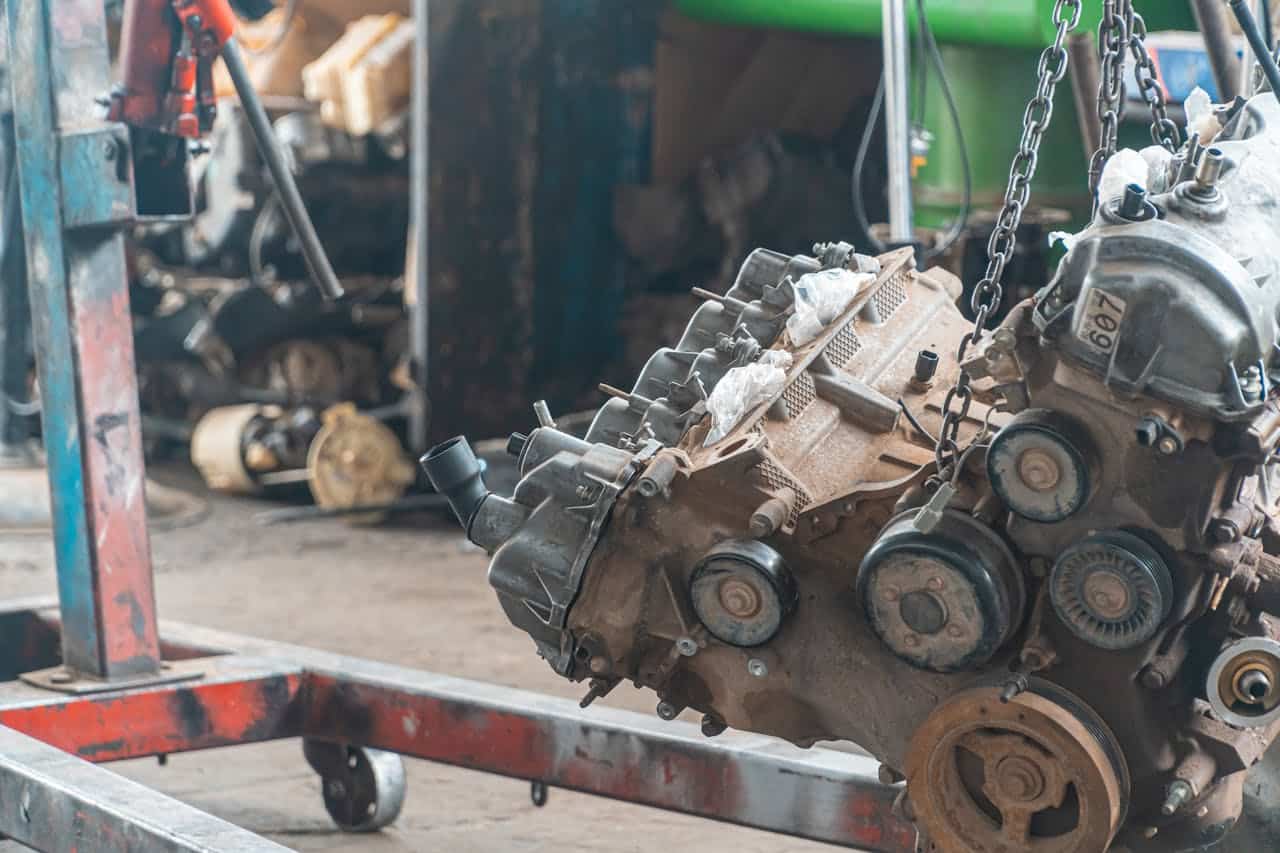
The crankcase ventilation system is one of the most overlooked components in a modern engine. The PCV (Positive Crankcase Ventilation) valve operates continuously, controlling crankcase pressure and routing the gases back to the intake tract for re-combustion. If the valve stops working, the engine may run under improper conditions, rough idle, oil leakage, and excessive pressure that might break the seals.
For this reason, inspection of the PCV at regular intervals is essential, and the repair should be carried out promptly. Besides, using a high-quality PCV Valve Repair Kit lets you restore the system to working order without buying a new valve cover, since the old one can be reused.
How a PCV Valve Works
The system works by regulating crankcase pressure. During engine operation, some gases escape into the crankcase, causing excess pressure. PCV’s function is to route these gases to the intake manifold, where they mix with air for a second combustion.
The engine load determines the opening and closing of the PCV diaphragm or valve unit:
- at low RPM, manifold vacuum is stronger, and the valve opens partially;
- in contrast, at higher RPM, the pressure increases, and the valve opens further to let out the excess gases.
In this way, the system ensures that no condensate is produced, maintains steady engine operation, and reduces the toxicity of the exhaust.
Signs You Need a PCV Valve Repair Kit
PCV failure is manifested by several symptoms that are often mistakenly associated with other components:
- Oil leakage
If the pressure in the crankcase increases, oil begins to leak through weak points – gaskets, seals, and ventilation ducts.
- Increased pressure in the crankcase.
It is felt as “breathing” from the oil filler neck or a whistling sound caused by a damaged diaphragm.
- Unstable idle
Uncontrolled air intake through a torn membrane disrupts the air-fuel mixture, causing engine speed to drop or causing idle to fluctuate.
- Increased fuel consumption
The engine control unit receives incorrect data, leading to a richer-than-necessary mixture.
- A whistling or squeaking sound from the valve cover area
A characteristic sound almost always indicates a damaged PCV membrane.
When at least one of these symptoms appears, it is worth checking the system and, if necessary, using a repair kit.
What the PCV Valve Repair Kit Contains
A standard PCV repair kit includes parts that allow you to fully restore the system without replacing the entire valve cover. The main element is a rubber or silicone membrane responsible for pressure regulation; it is this that most often tears or loses elasticity due to high temperatures.
The kit includes a protective cover that also secures the membrane and ensures a tight assembly. The premium kits have sturdier covers that do not get deformed easily.
Moreover, the repair kit can include a spring that helps regulate the diaphragm’s movement and seals or gaskets that prevent air and oil from leaking. Some kits have small retainers, rings, or seating elements that help to precisely place the membrane in its socket.
How to Replace a PCV Valve Using a Kit
Replacing the PCV does not require complex tools, but accuracy is important. The process can be divided into several stages:
- Preparing access. Remove the decorative elements, disconnect the ventilation hoses, and find the PCV compartment in the valve cover.
- Dismantling old elements. Carefully pry open the membrane cover, remove it together with the spring and diaphragm. If the membrane is torn or hardened, the cause of the malfunction is obvious.
- Cleaning the seat. Remove the remains of the old seal, carbon deposits, or oil. It is important not to damage the plastic or metal housing.
- Installing new parts. Insert a new membrane, install the seal, place the spring (if provided), and close everything with a new cover.
- Checking for leaks. Before starting the engine, make sure the cover is securely installed and not skewed.
- Testing engine operation. After starting, extraneous noises should disappear, the revolutions should stabilize, and the crankcase pressure should stabilize.
The procedure takes 10-40 minutes, but the result gives a significant improvement in engine performance.
Why Quality Repair Kits Matter
The PCV membrane operates under high temperatures, high pressure, and an aggressive engine oil environment. Cheap materials quickly harden, crack, and lose elasticity – sometimes just a few months after installation. This can lead to repeated air intake, fuel consumption, and even costly engine repairs.
The excellent-quality kits consist of polymers that are not affected by high temperatures; hence, the elasticity and shape are retained for a very long time. Trustworthy seals ensure no leakage, and sturdy lids can be opened and closed countless times without becoming misshapen.
The PCV valve is a small but extremely important element that significantly affects the operation of the engine. Timely maintenance and use of a repair kit allow you to quickly and inexpensively restore the crankcase ventilation system, avoiding complex and expensive repairs.