Photo courtesy of Unsplash
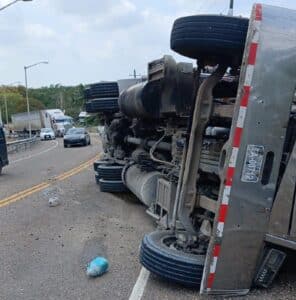
Truck accident claims often take longer to resolve than typical car accident cases, leaving victims frustrated and unsure what to expect. Unlike regular collisions, truck accidents often result in severe injuries, significant property damage, and multiple parties involved.
Commercial trucking companies, insurance carriers, cargo loaders, and vehicle manufacturers can all become part of the claim, making the process more complex. Strict federal and state regulations govern this process. Read on to discover why these claims take longer.
Multiple Liable Parties
One primary reason why truck accident claims take longer is the involvement of multiple liable parties. Responsibility may extend beyond the truck driver to the trucking company, vehicle owner, cargo loaders, or parts manufacturers. To figure out each party’s role, you’ll need extensive investigation, legal analysis, and negotiations. All of these naturally lengthen the truck accident claims process.
State and Federal Regulations
Complex state and federal regulations also contribute to truck accident claims taking longer than expected. Investigators must often review compliance with safety rules, driver hours-of-service limits, vehicle maintenance standards, and cargo requirements.
Analyzing regulatory violations and gathering supporting documentation adds time and legal complexity. All of these drag on before liability and compensation can be appropriately determined.
Medical Treatment Delays
Delays with medical treatment can extend truck accident claims because injuries are often severe and require ongoing care. Attorneys and insurers typically wait until victims reach maximum medical improvement before valuing claims. Continued treatments, surgeries, and rehabilitation make it hard to assess long-term medical costs and compensation amounts.
Expert Testimony Requirement
Truck accident claims often take longer and may be delayed because expert testimony is often required. Accident reconstruction specialists, medical experts, and trucking industry professionals must analyze evidence and provide opinions on the following:
- Fault
- Damages
- Regulatory compliance
- Mechanical condition
- Estimated damages
Tasks such as locating qualified experts, conducting detailed evaluations, and preparing reports and testimony can significantly extend the claims process.
Complex Evidence Collection and Evaluation
Truck accident claims require complex evidence collection and evaluation, which often extends their timelines. Investigators must gather black box data, driver logs, surveillance footage, maintenance records, and accident scene evidence.
Reviewing, preserving, and analyzing all of this information takes time, even though it is essential to proper compensation. It might even take longer when trucking companies and insurers closely scrutinize or challenge the findings.
Insurance Company Delays
Insurance companies often delay during truck accident claims, extending them. Commercial insurers sometimes conduct lengthy investigations, dispute liability, and minimize payouts due to high financial exposure.
Adjusters may request extensive documentation or use delay tactics to pressure victims into accepting lower settlements. However, firms like Steve Dimopoulos Law Firm help victims by handling communication with insurers, speeding up the process.
Scheduling Conflicts and Court Backlogs
Conflicts with scheduling and the court backlogs often prolong truck accident claims. Coordinating availability among attorneys, judges, witnesses, and expert professionals can be difficult. Additionally, crowded court calendars may delay hearings, motions, and trial dates. These logistical challenges slow legal proceedings and extend the overall timeline for resolving complex truck accidents.
Endnote
Unlike other claims, truck accident claims often take longer due to multiple liable parties, state and federal regulations, delays in medical treatment, and expert testimony requirements. Complex evidence collection, insurance company delays, and court backlogs and scheduling conflicts also extend this process.