
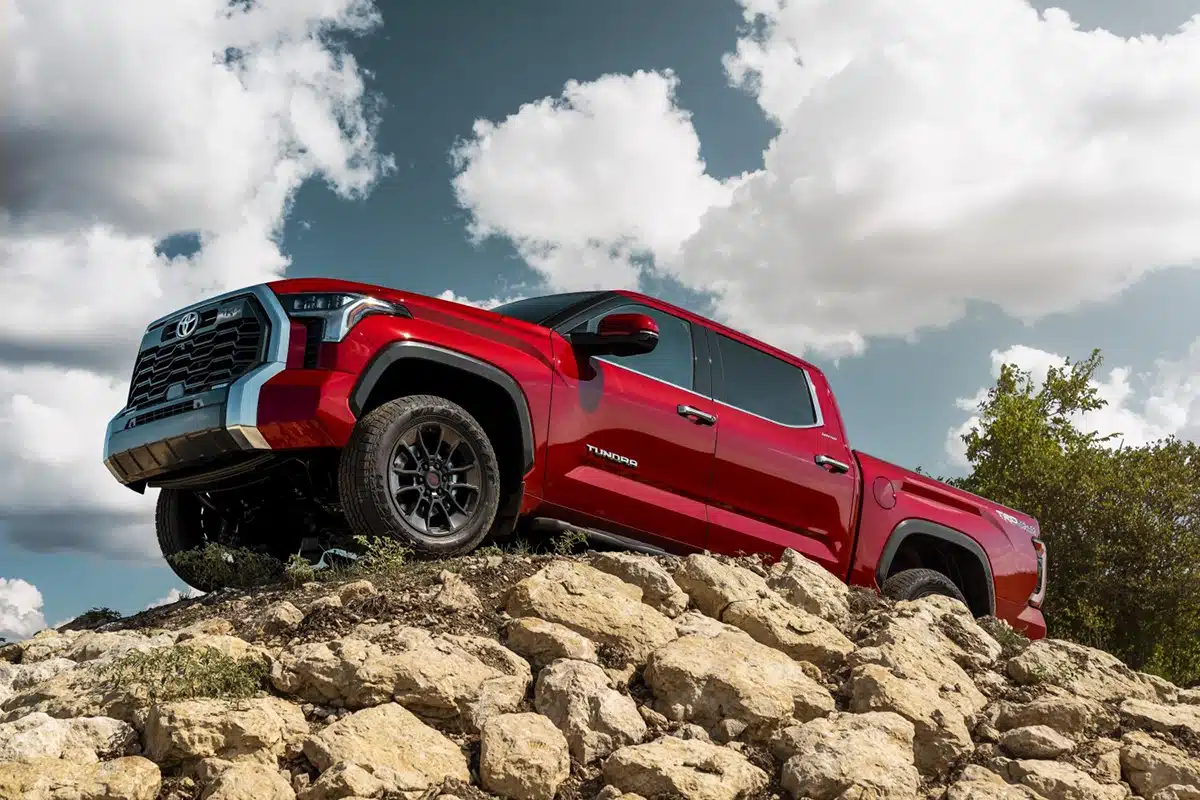
Last month, a second Toyota Tundra engine failure recall was launched and we know now thousands of failing vehicles pushed the automaker to expand the first recall.
Toyota Tundra engine failure?
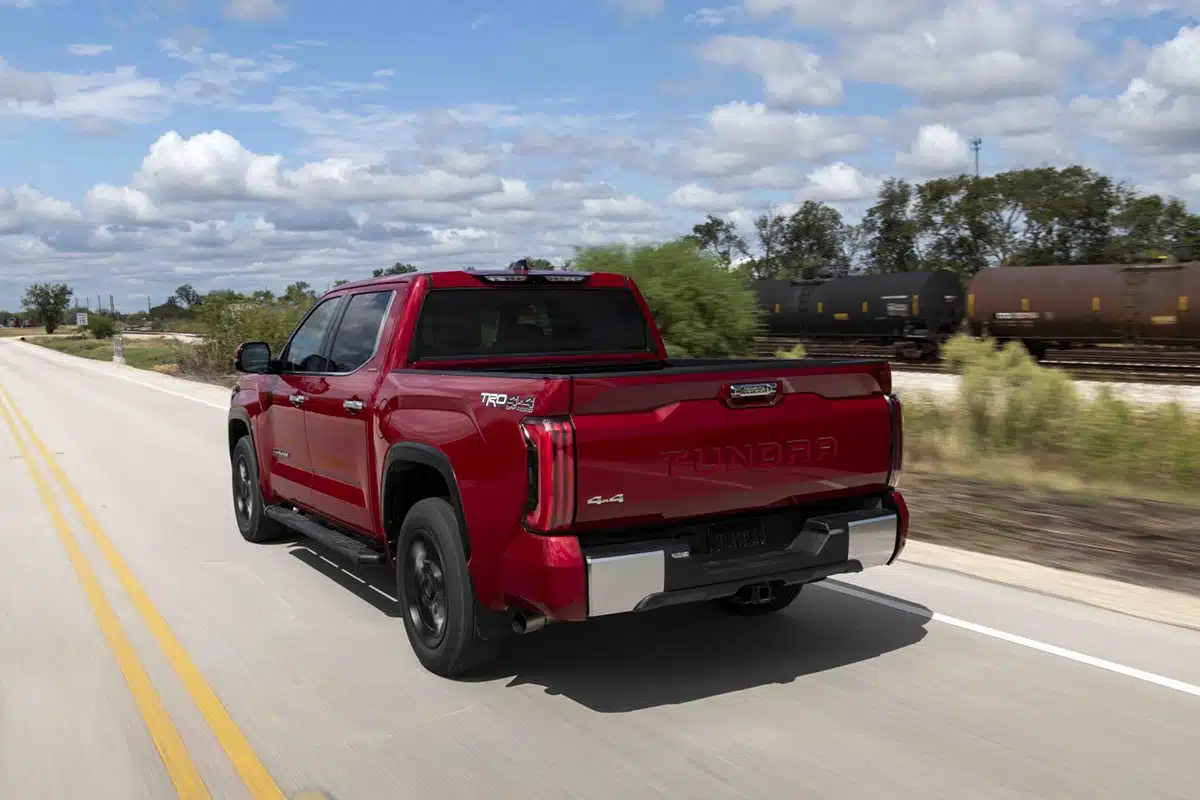
If you aren’t aware, the 3.4-liter V6 engine used in 2022 and 2024 Toyota Tundra, certain Lexus LX 600 and GX 550 vehicles has been under recall for engine failure.
There are two recalls actually for the V35A engines with Toyota stating bearings are failing leading to catastrophic failure due to excessive debris in the engine block.
This leftover debris from the factory aka swarf has become more of a topic as of late with outside engineers and mechanics pointing out its impact on engine failure in other brands.
First Toyota Tundra Recall
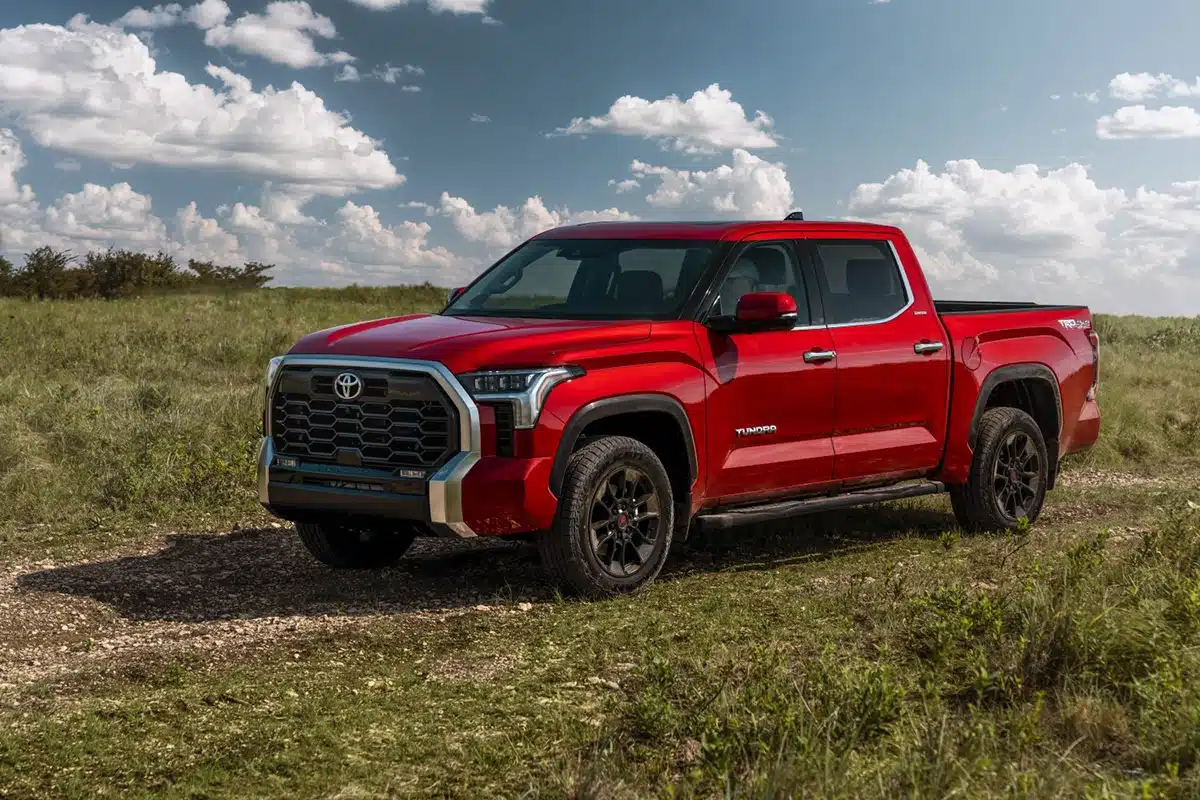
The first recall, 24V-381, caught a lot of people by surprise since the Toyota Tundra was once known for its reputation for being “born from invincible” reliability.
This reputation, plus the swap from the 5.7-liter V8 to a twin-turbocharged V6 which skeptics already questioned its durability, was severely tarnished by the recall.
In total, Toyota recalled 98,568 Tundra trucks, 3,524 Lexus LX 600 SUVs (102,092) with engines built at two different plants. One in Tahara, Japan and one in Alabama, U.S.
At the time, according to NHTSA.gov recall documents, Toyota said “as of May 20, 2024, based on a diligent review of records, Toyota’s best engineering judgement is that there are 166 Toyota Field Technical Reports and 824 warranty claims on the engines in the subject vehicles that have been received from U.S. sources that relate or may relate to this condition and which were considered in the decision to submit this report.”
They couldn’t put a solid estimate on the number impacted but said it was less than 1% of the vehicles they were recalling. This is 824 warranty claims out of 102,092 total vehicles and Toyota was looking for more failures. While this may seem like a small percentage, even a single engine failure at highway speeds can create a serious safety situation, especially for drivers towing or hauling, where sudden loss of power can lead to dangerous roadside incidents and multi-vehicle crashes. Situations like this are how many pickup truck crashes begin.
Second Recall Finds More Trucks
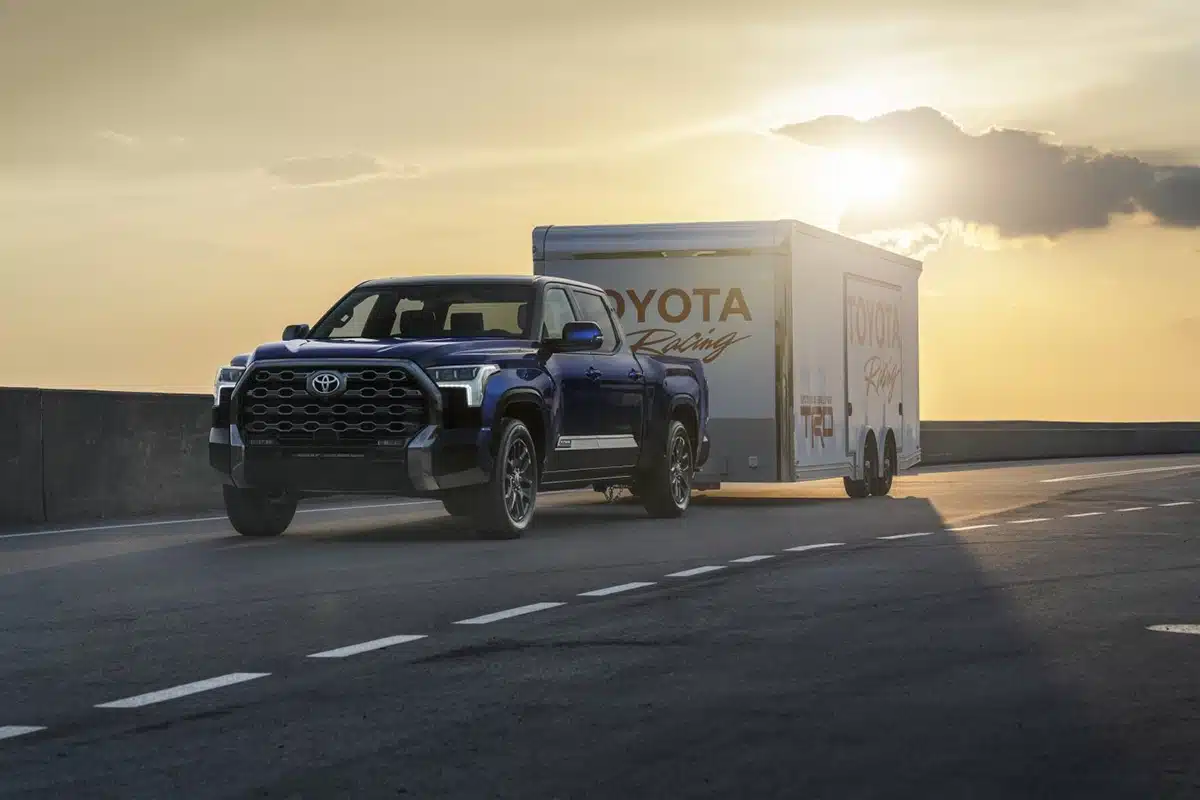
Then came the second recall on November 6, 2025 which included the 2023-2024 models and included the Lexus GX 550 for the first time.
The official numbers were: “Toyota Tundra: 113,079 Lexus LX600: 9,895 Lexus GX550 : 3,717 Total : 126,691”
Toyota stated in a NHTSA.gov recall document it found a lot more warranty claims forcing this second recall.
“As of October 29, 2025, based on a diligent review of records, Toyota’s best engineering judgement is that there are 303 Toyota Field Technical Reports and 2,604 warranty claims on the engines in the subject vehicles that have been received from U.S. sources that relate or may relate to this condition and which were considered in the decision to submit this report.”
Toyota’s Jacob Brown, Mobility Communications Manager also in charge of recalls, said this information only pertained to the second recall.
Debris and a New Robust Main Bearing
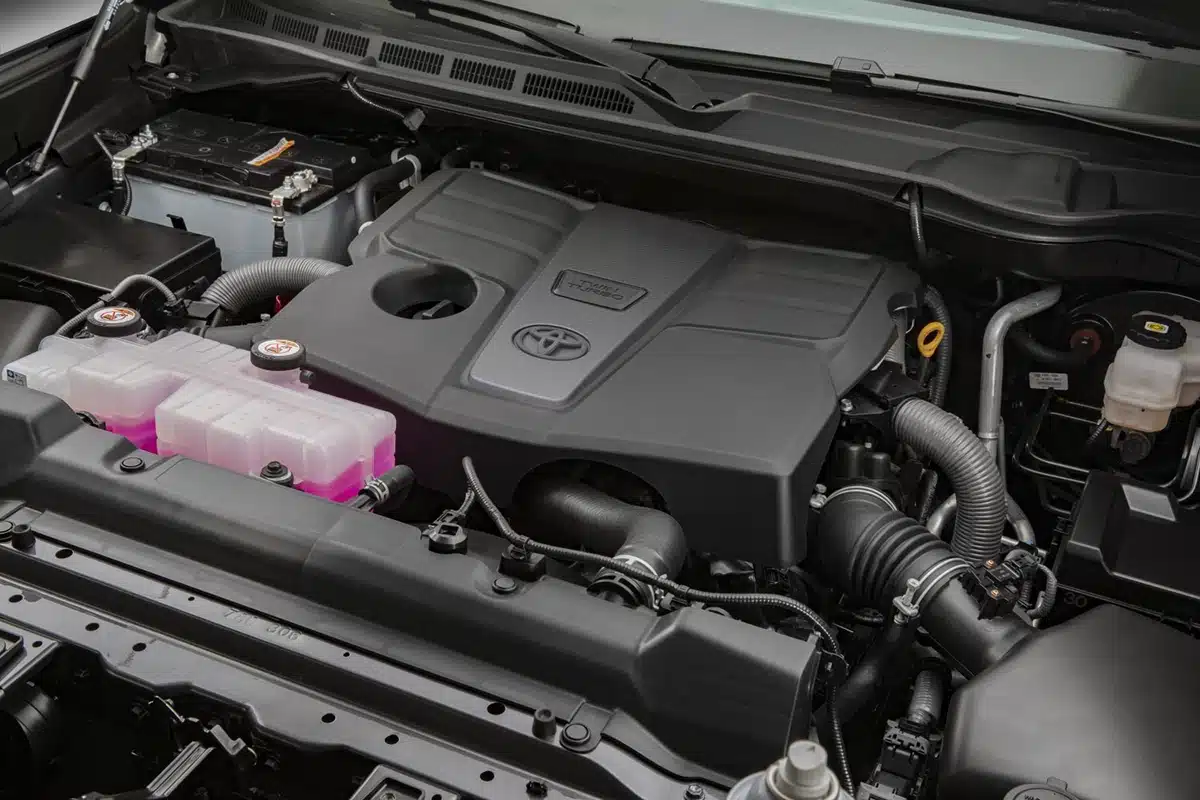
One of the hot topics online is if you believe Toyota’s conclusion debris is causing the issue.
Mechanics have put out various videos from dealerships to so-called engine teardown specialists debating Toyota’s conclusions on debris or design flaw.
Interestingly, the second recall document has a rather great chronology report that reads like a detective novel on how Toyota engineers came to their conclusions.
Chronology of Principal Events:
April – August 2025
As a part of field monitoring efforts for recall 24V-381, Toyota observed an increase in allegations in the field of engine failures on vehicles equipped with this configuration of V35A engines that were not included in the recall. In some cases, the failures appeared to have been in a similar manner to the condition reported in recall 24V-381.
Toyota recovered some engines related to these allegations and confirmed that some of the engines had a #1 main bearing failure in the same manner as engines covered by the 24V-381 recall. Toyota began investigating the field performance of improvements that had been implemented in production for vehicles not included in the 24V-381 recall.
During this investigation, Toyota collected and reviewed information from both engine plants producing this configuration of the V35A engine (Tahara and Alabama).
In Toyota’s Alabama plant, fabric swatches are used to collect daily data on the amount of contamination present in newly manufactured engines after the washing process. These swatches were compiled for later scanning and analysis. Toyota concurrently began recovering additional engines from the field that had failed, tearing down the engines, and sending the #1 main bearings to the supplier in Japan for material analysis.
On August 27, 2025, Toyota met with NHTSA to provide information regarding the current status of its investigation.
September – October 2025 Toyota reviewed and confirmed the implementation timing and continued adherence to manufacturing contamination improvements that occurred at the Alabama manufacturing plant.
Two relevant production periods at the Alabama plant were identified between the production period covered by recall 24V-381 and the implementation of a design change to increase the robustness of the #1 main bearing, because the Alabama plant continued to implement additional manufacturing process improvements to reduce the potential for debris during this time.
Toyota also reviewed the manufacturing contamination improvements at the Tahara plant after the period covered by recall 24V-381 and confirmed that the production process was generally unchanged for this period.
In addition, Toyota conducted component testing to introduce debris pieces of various sizes to the #1 main bearing to study the robustness of the #1 main bearing for engines produced.
To further investigate the production changes at the Alabama plant, the timing of the production change points from that plant was compared to initial results of contamination data retrieved from the fabric swatches.
This initial comparison did not identify a correlation between production contamination variability and the engine failures seen in the market. Toyota determined that further analysis and statistical modeling of the swatch contamination data was necessary.
Toyota also determined that collection of additional non-failed engines was necessary for a comparison to swatch contamination data, and this field recovery began.
For the Tahara plant, the same contamination swatch data (as the Alabama plant) could not be compiled.
Thus, in order to investigate the actual size and material of the contamination in the main bearings of engines in the field from the Tahara plant, non-failed engines were collected.
On September 30, 2025, Toyota met with NHTSA to provide an update of its investigation and explained the status of the swatch collection and engine recovery efforts.
Based on the analysis of the non-failed engines from the Tahara plant, it was confirmed that larger pieces of debris were present in Tahara engines from the production period after recall 24V-381.
In addition, the debris size data obtained from periodic debris control data was compared to the bearing robustness study. Based on these analysis and studies above, the debris size was large enough that, if the debris were to be deposited in a certain manner in the #1 main bearing, engine failure could occur.
Toyota completed its statistical analysis of the swatch contamination data collected from the Alabama plant and found engines produced during the period after those covered by the 24V381 recall, but before additional manufacturing process improvements, contained higher counts of larger pieces of debris.
Toyota then compared the engines it recovered from this production period to the corresponding swatch data from this period and confirmed that these engines may contain higher counts of larger size contamination. These analyses showed that the subsequent period, after additional manufacturing process improvements were introduced, had lower counts of debris of these larger sizes.
On October 22, 2025, Toyota met with NHTSA to provide an update of its investigation and explained the findings of the swatch data analysis, as well as its ongoing investigation items.
October 31, 2025, based on the results of the above investigation, Toyota determined that during a specific production period after the 24V-381 recall, there is a possibility that higher counts of engine machining debris of a larger size may not have been cleared from the engine during manufacturing and can cause the issue described in Section 5 to occur.
For the Alabama produced engines of this configuration, the swatch data shows the increased levels of this type of debris in the period after recall 24V-381 and before additional manufacturing process improvements were implemented.
For the Tahara plant, data from the recovered engines, study about the bearing robustness, and the field performance data indicate that an increased level of this type of debris is present in engines produced between recall 24V-381 and the implementation of the improvement to the #1 main bearing. Thus, Toyota has decided to conduct a voluntary safety recall campaign for the above-described vehicle production period. Engines produced in the Alabama plant for vehicles after this period but before the implementation of an improved #1 main bearing remains under investigation.






17 replies
Loading new replies...
Administrator
Moderator
Well-known member
Well-known member
Well-known member
Administrator
Well-known member
New member
New member
Moderator
New member
Join the full discussion at the Forum Pickuptrucktalk →