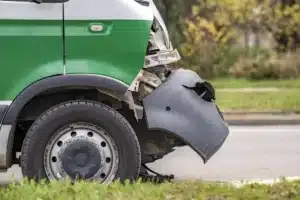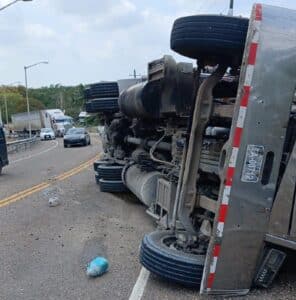
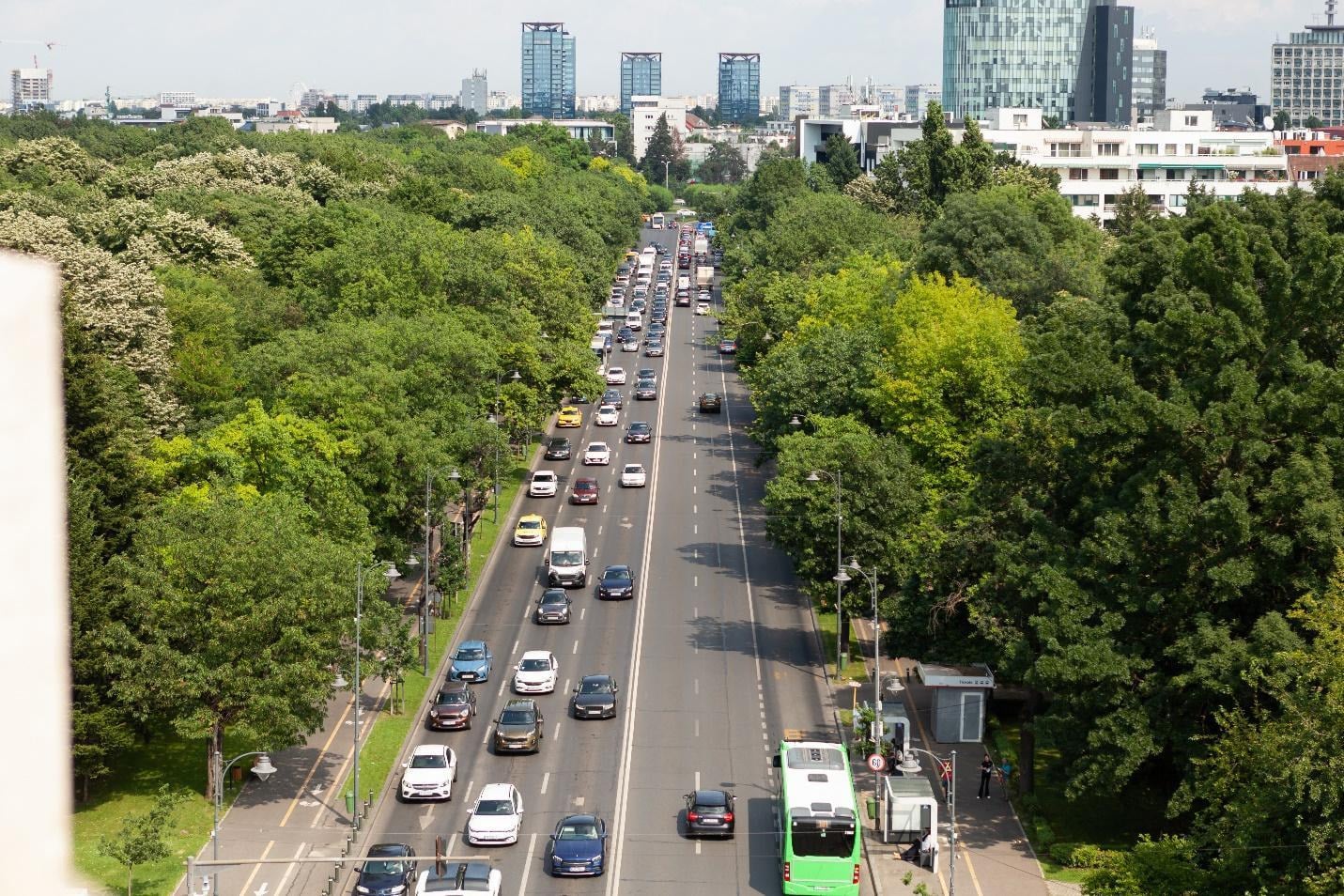
Multi-vehicle crashes happen quickly, especially in busy Georgia cities where cars, delivery vans, motorcycles, and pickup trucks move through tight corridors. One mistake can create a chain reaction involving several lanes and multiple points of impact. Drivers often feel overwhelmed by the number of vehicles, the noise, and the limited space to maneuver. Understanding how these crashes unfold helps pickup drivers and other motorists stay safer and react with more clarity when roads get crowded.
Urban Conditions Contribute to Pileups
Urban driving requires constant attention. Intersections stretch across several lanes, downtown streets see sudden stops, and side traffic enters from parking decks, alleys, and side roads. Pickup trucks face extra challenges because they carry more weight and need more distance to slow down.
If you ask a car accident lawyer in Atlanta from Kaine Law, they will tell you that multi-vehicle collisions in Georgia often start with a single rapid change: a sudden brake, a blind-spot merge, or a distracted driver looking away for a moment. Once the chain reaction begins, surrounding drivers have little time to respond.
- Tight intersections: Short yellow lights and heavy foot traffic create unpredictable stops.
- Mixed vehicle types: Pickup trucks, compact cars, buses, and motorcycles react differently in emergencies.
- Limited visibility: Tall vehicles block the view, especially when traffic is tightly packed.
- Frequent lane changes: Riders and drivers shift lanes quickly to avoid congestion.
- Sudden slowdowns: Delivery vehicles, rideshares, and turning traffic interrupt the flow without warning.
These elements combine to create crash scenarios that develop faster than drivers expect.
How Pickup Trucks Influence Multi-Vehicle Crash Dynamics
Pickup trucks remain popular across Georgia, even in large cities. Their size and weight change the way collisions unfold. Urban areas contain tight lanes and short stopping distances that challenge heavier vehicles.
- Longer braking distance: More mass means slower stops in emergencies.
- Higher bumper position: Impact points differ from sedans, which influences damage patterns.
- Cargo considerations: Tools, gear, or unsecured loads shift during sudden braking.
- Reduced visibility: Tall beds and rear windows create wider blind zones.
When several vehicles travel close together, these features influence how a chain reaction spreads through the traffic flow.
What Georgia Drivers Should Watch for in Multi-Vehicle Scenarios
Drivers who anticipate common triggers reduce their risk of getting caught in a pileup. Many multi-vehicle crashes begin with subtle cues that drivers can spot early.
- Uneven speed patterns: When vehicles surge forward and then suddenly slow, tension builds in the traffic stream.
- Aggressive lane weaving: One unpredictable driver can disrupt an entire block of traffic.
- Brake lights flickering ahead: Drivers often tap their brakes before a full slowdown.
- Crowded on-ramps: Vehicles entering from short ramps merge with limited space.
- Weather issues: Rain and glare reduce visibility across multiple lanes.
Pickup truck drivers benefit from leaving extra space because their stopping distance increases under heavy loads.
How Liability Works When Several Vehicles Are Involved
Multi-vehicle crashes require careful investigation. Georgia applies comparative negligence, meaning fault may be shared among multiple drivers. Attorneys rely on witness statements, traffic camera recordings, vehicle damage patterns, and roadway evidence to understand who contributed to the chain of events.
- Speed at the time of impact
- Following distance
- Lane position
- Distractions behind the wheel
- Vehicle maintenance issues
- Movement patterns visible in traffic footage
Attorneys review each vehicle’s involvement because a single action often triggers multiple impacts.
Useful Tech Features in Multi-Vehicle Crash Analysis
Modern vehicles provide valuable digital information after a collision. Most vehicles often include sensors, collision alerts, and onboard data that help investigators understand what happened.
- Event data recorders: Capture speed, braking, and steering inputs.
- Cameras: Dashcams and backup cameras sometimes capture parts of the crash.
- Blind-spot monitors: Provide clues about lane-change attempts.
- Collision avoidance systems: Show when warnings are activated.
These tools help verify driver reactions and pinpoint the sequence of events in a crowded urban crash.
What Drivers Can Do After a Multi-Vehicle Crash in Georgia
Even minor pileups feel chaotic. Many drivers worry about insurance questions and the number of vehicles involved. Staying calm helps with documentation and safety.
- Move to a safe position if possible.
- Check for injuries and call for medical assistance.
- Photograph all vehicles, traffic patterns, and road conditions.
- Exchange information with nearby drivers and witnesses.
- Avoid discussing fault at the scene.
- Seek medical evaluation even for minor symptoms.
These actions create a stronger record for later review.
Where Georgia Pickup Drivers Stand in Multi-Vehicle Urban Crashes
Cities move fast, and multi-vehicle crashes reflect that pace. Busy intersections, tight lanes, mixed traffic, and sudden stops create conditions that quickly lead to pileups. Georgia drivers gain a safer experience when they understand how these crashes develop and pay attention to the early warning signs. Awareness, space, and steady attention help reduce the risks of multi-vehicle collisions in the state’s busiest urban areas.