Getting hit by a distracted driver while you’re driving a truck in Kentucky—well, it’s the kind of thing nobody expects, and it can throw you for a loop. There’s a lot to deal with in those first moments, and what you do next matters for your safety and for any compensation you might need down the line. Documenting the accident thoroughly and getting checked out by a doctor right away are probably the two most important things you can do—they set the stage for any claim you might have to make.
It helps to know a bit about how Kentucky handles distracted driving. Since that kind of behavior behind the wheel is illegal here, it can really affect who’s held responsible. If you can grab evidence—think witness statements, photos, or even phone records—it can make a big difference when it comes time to prove what actually happened.
Truck drivers should also get familiar with how insurance claims work in Kentucky, and know where to turn if an insurance settlement isn’t cutting it. Having someone experienced in your corner for the paperwork and negotiations can make things a lot less overwhelming.
Immediate Actions to Take After Being Hit by a Distracted Driver
Right after a crash with someone who wasn’t paying attention, your reactions matter. Staying as calm as you can and focusing on safety, communication, and documentation can help keep things from getting worse—and set you up for whatever comes next.
Check for Injuries and Ensure Safety
First things first, check yourself and anyone else in your truck for injuries. Even if nobody feels hurt right away, it’s worth remembering that some injuries sneak up on you hours or even days later.
If someone’s hurt, call for help right away. If you can, get to a safe spot away from traffic. For truck drivers, that might mean carefully pulling off the road—especially if you’re on a busy highway or somewhere visibility isn’t great.
Try to keep things steady and avoid sudden moves. If there’s a pedestrian or cyclist involved, their safety comes first, no question.
Call 911 and Report the Accident
No matter how bad—or not bad—the injuries seem, call 911. Getting emergency responders on the scene fast is just smart. The police will file an official report, which you’ll want for insurance and maybe even legal stuff later.
When you talk to the dispatcher, give them the basics: where you are, what happened, and how everyone’s doing. Once the police arrive, they’ll talk to everyone, check out the scene, and jot down key details.
If you notice the other driver fiddling with their phone or otherwise distracted, make sure to mention that. It might end up in the police report, which can be important later.
Exchange Information with the Other Motorist
After making sure everyone’s safe and the authorities are on their way, swap info with the other driver. You’ll need:
- Names and contact info
- Insurance details
- Vehicle make, model, and color
- License plate number
If you’re hauling cargo or driving for a company, jot that down too—it could come up later.
Double-check what you’re given so you don’t run into headaches later. Be polite but stick to the facts—there’s no need to get into arguments about blame on the side of the road.
If the other driver won’t cooperate or gets aggressive, let the police handle it.
Gather Evidence and Document the Scene
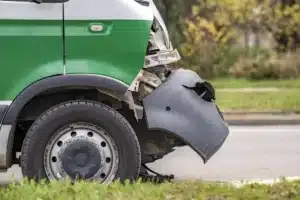
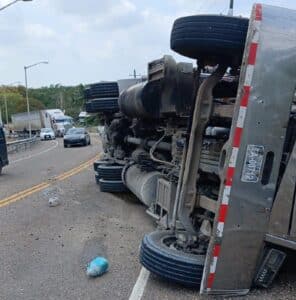
Take as many photos as you can—of the vehicles, any damage, the area around you, traffic signs, road conditions, and how everything looked right after the crash.
- All vehicle damage
- The scene—road, signs, lighting, whatever seems relevant
- How the vehicles ended up after the impact
Photos tell a story that’s hard to argue with.
If there are witnesses, get their names and numbers. You might be glad you did when you’re sorting things out later.
Don’t forget to ask for a copy of the police report once it’s available. That report can include notes about distracted driving—like if the other driver’s phone was found in their hand or lap.
Keep everything together: photos, witness info, reports. It’ll make life a lot easier if you end up dealing with insurance or legal stuff.
Protecting Your Health, Finances, and Legal Rights
If you’ve been hit by someone who wasn’t paying attention, you’ve got to look out for your own health, your wallet, and your rights. That means getting checked by a doctor, letting your insurance company know what happened, and sometimes talking to a lawyer to make sure you’re not missing anything important.
Seek Prompt Medical Attention
Not all injuries show up right away. Even if you feel fine, go see a doctor soon after the crash. Stuff like whiplash or internal issues can take a while to show up, and you don’t want any surprises.
Keep records of every medical visit and treatment. That paperwork isn’t just for your own peace of mind—it can help prove your case if you need to make a claim later. Taking care of your health is always the priority, but it also backs up your side of things if you need to fight for compensation.
Notifying Your Insurance Company and Starting the Claim Process
Let your insurance provider know about the accident as soon as you can. The sooner you get the ball rolling, the better. Waiting around can just make things more complicated when it comes to getting repairs or covering medical bills.
When you call, have your facts straight: who was involved, where it happened, and any witness info. Hang onto any emails or letters you get from the insurance folks. It’s also a good idea to know what your policy does—and doesn’t—cover before things get too far.
Consulting a Legal Professional for Advice
Sometimes, it’s worth reaching out to a lawyer who knows the ropes with distracted driving cases. They can walk you through your rights and help you figure out what to do if you’re owed compensation.
A good attorney will look at your situation, point out the strong and weak spots, and help you gather what you need. Getting them involved early can help you avoid mistakes and make sure your interests are actually protected, especially if insurance companies start playing hardball.
Understanding the Role of a Car Accident Attorney
A collision lawyer who’s taken on distracted driving cases knows how to dig in and build a solid claim—think gathering witness statements, medical files, and accident reports. It’s not just paperwork; it’s about putting together a story that stands up.
They’ll go to bat for the truck driver during negotiations or in court, pushing for compensation that covers medical expenses, lost wages, and sometimes those harder-to-pin-down things like pain or emotional fallout. When your lawyer really gets the nuances of distracted driving, you’re not just a case number—they’ll have strategies tailored for this mess, which can take a load off your shoulders and keep your rights front and center.