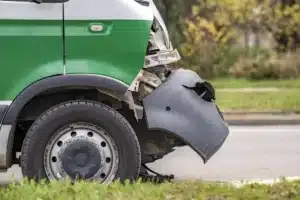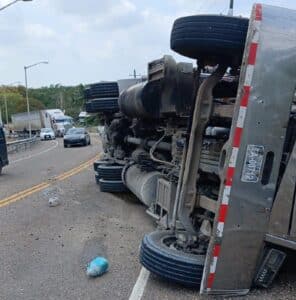
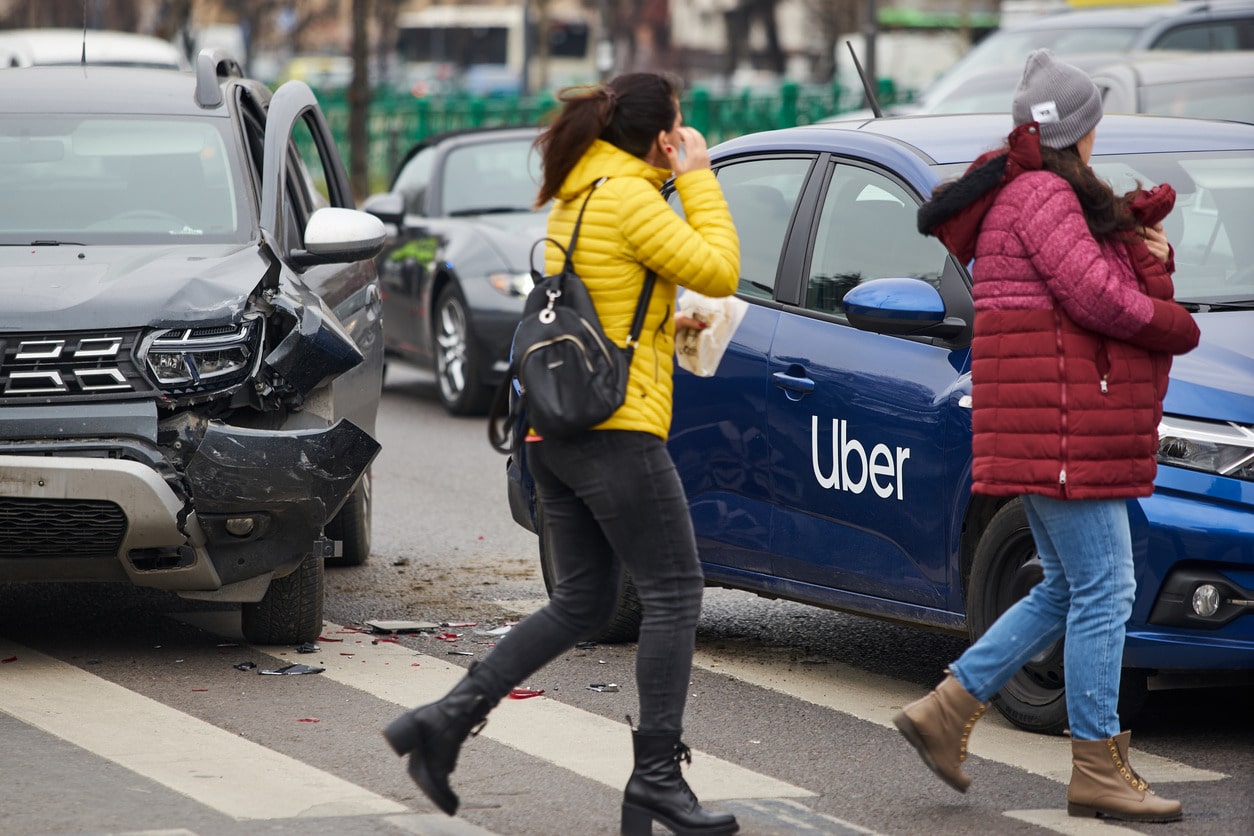
Rideshare drivers in California are running into more trouble near pickup trucks in 2025, thanks to a mashup of challenges on the road. Pickup trucks have those notorious blind spots and take up a lot of space, which doesn’t exactly mix well with rideshare drivers hustling under pressure or maneuvering through unfamiliar neighborhoods. When you put limited visibility around pickups together with the fast pace rideshare drivers keep, the odds of a collision shoot up.
Drivers glued to GPS, hunting for passengers in cramped or chaotic spots, are more likely to make sudden moves around these big trucks. Add in risky stops, fatigue from marathon shifts, and you’ve got a recipe for mistakes—especially when a pickup truck is in the picture. If you’re caught in one of these messes, talking to a seasoned rideshare accident attorney who actually knows California’s shifting road rules and insurance maze is a smart move.
Factors Driving Increased Rideshare Accidents Near Pickup Trucks
Why are there more crashes between rideshare vehicles and pickup trucks these days? It’s a tangled web: booming rideshare traffic, drivers distracted by their apps, tricky interactions between pickups and little sedans, plus the usual suspects like speeding, tiredness, and sometimes spotty vehicle maintenance.
Growth of Rideshare Services and Driver Activity
Uber and Lyft are everywhere in California, and in 2025, there are over 250,000 drivers on the clock each quarter. More cars mean more gridlock, which means more run-ins with pickups—especially in places where those trucks rule the road.
Pickup trucks, with their wide frames and blind spots, are a staple in a lot of California towns. Rideshare drivers, meanwhile, are often weaving through packed city streets or along busy truck routes, which just ups the chances of a fender bender.
It doesn’t help that rideshare folks are working odd hours or pulling long shifts to make ends meet. The more time they spend behind the wheel, the more likely they’ll cross paths with a pickup—and let’s face it, those trucks handle nothing like a little sedan.
Distracted Driving and App Usage
App juggling is a big culprit. Rideshare drivers lean hard on GPS and the company app, which means their eyes aren’t always on the road. That’s a problem, especially when you’re sharing lanes with massive trucks.
Checking for new rides or fiddling with the app can lead to abrupt lane changes or stops—never great, but especially risky near pickups that need more room to maneuver. These distractions just make a tough driving environment even more dicey.
Some estimates peg distracted driving as the leading cause of rideshare crashes in the state. To keep things safer, drivers are better off setting routes beforehand, using hands-free tools, or just pulling over before messing with their phone. Multitasking behind the wheel? Never a good idea.
Interactions Between Pickup Trucks and Rideshare Vehicles
Pickups and compact rideshare cars are a study in contrasts. Trucks sit higher, have bigger blind spots, and just take up more real estate, making it tough for both drivers to really see what’s going on around them.
This mismatch leads to a lot of rear-end bumps or sideswipes, especially when merging or turning on busy streets. Trucks also take longer to stop, and rideshare drivers might not always judge their speed or distance right—especially in traffic.
Mixing small cars and big pickups on cramped roads demands extra care. If you don’t know how to handle yourself around a truck, you’re more likely to get into trouble. Picking up some truck-specific defensive driving tips wouldn’t hurt.
Speeding, Fatigue, and Vehicle Maintenance Issues
Chasing bonuses or squeezing in one more ride, some drivers push the speed limit or cut corners on safety. Rush hour, pickups everywhere, and a ticking clock? Not a great combo.
Fatigue’s another biggie. Long hours behind the wheel make anyone less sharp—reaction times drop, mistakes creep in. Even with California’s rules on maximum driving hours, plenty of drivers are still running on fumes.
And then there’s the car itself. Skipping out on brake checks, ignoring worn tires, or letting headlights go dim can all make accidents more likely—especially if you’re tangling with a heavy truck. Keeping your ride in shape is just basic self-preservation.
| Factor | Impact on Rideshare & Pickup Truck Accidents |
| Growing driver numbers | Increased encounters in congested zones |
| App-related distractions | Reduced focus near trucks requires extra caution |
| Vehicle size differences | Blind spots and misjudged distances leading to collisions |
| Speeding & fatigue | Decreased reaction time and riskier road behavior |
| Poor vehicle upkeep | Mechanical failures magnifying chances of crashes |
Legal, Insurance, and Injury Considerations for Rideshare Accidents
When a rideshare car and a pickup truck collide, sorting out insurance, liability, and injury claims can get complicated. There are often headaches over who’s covered and who’s at fault, especially with big vehicles in the mix. Having a lawyer in your corner can make a real difference if you’re hoping for a fair shake.
California’s Rideshare Insurance and Liability
State law says rideshare companies (TNCs) have to carry specific insurance for passengers and third parties. The coverage depends on what the driver’s doing—just logged in, heading to pick someone up, or actually driving a passenger.
If the driver’s just available, there’s usually limited liability coverage—think $50,000 per person for injury, $100,000 per accident. Once a ride’s accepted or underway, the company’s commercial policy kicks in, often up to $1 million.
Personal insurance only really applies when the driver’s off the app. This layered setup is supposed to match the risk at each stage. Whether the companies actually stick to these rules can affect who’s on the hook after a crash.
Complications Around Pickup Truck Involvement
Pickup trucks bring their own set of headaches. Their size and height can make injuries worse if you’re in a smaller car. Plus, figuring out who’s responsible isn’t always clear-cut—damage assessments get tricky, and the way the vehicles collide matters a lot.
Insurance can be a mess, too. Pickups might have commercial or personal coverage, and what’s covered can vary a lot. That can slow down claims and make it harder for injured folks to get paid.
Role of Attorneys and Legal Claims
If you’re in a rideshare accident—especially with a pickup truck involved—it’s worth finding a lawyer who knows the ropes. They’ll understand the ins and outs of TNC rules, insurance loopholes, and what judges have decided in similar cases.
A good attorney can help figure out who’s actually at fault, whether it’s the rideshare driver, the company, or the pickup truck’s owner. They’ll dig up key evidence—driver logs, inspection reports, insurance paperwork—to back up your claim.
Getting a lawyer on board can speed things up and improve your shot at decent compensation. They’ll walk you through claims for medical costs, lost income, pain and suffering, and make sure you don’t miss any filing deadlines along the way.
Personal Injury and Compensation Framework
California’s laws give injured folks the chance to recover damages for things like medical bills, lost wages, and the less tangible stuff—pain, stress, all that. If you’re hurt in a rideshare situation, what you can actually get depends a lot on the insurance coverage of the rideshare company and the driver at the time of the accident.
Medical costs stack up fast—think ER visits, surgeries, rehab, maybe even a wheelchair or crutches. There’s also compensation for lasting disabilities or when your quality of life just isn’t the same anymore, not to mention the hit your paycheck might take.
But here’s the catch: the claims process can get messy. You’ll need a pile of medical records and accident reports, and the back-and-forth between different insurance companies can drag things out. It’s rarely straightforward, and honestly, having a lawyer in your corner is usually a smart move if you want a shot at a fair settlement.
If you’re a passenger or a driver, don’t wait—report any injuries right away, keep track of your medical visits, and maybe talk to an attorney sooner rather than later. It’s about looking out for yourself, really.