
Your truck is more than just a vehicle. It’s your workhorse, your adventure companion, and often a significant investment. Keeping it running smoothly requires more than occasional oil changes. A proper maintenance schedule can mean the difference between a truck that lasts 100,000 miles and one that pushes past 300,000.
Every 5,000 Miles: The Regular Checkup
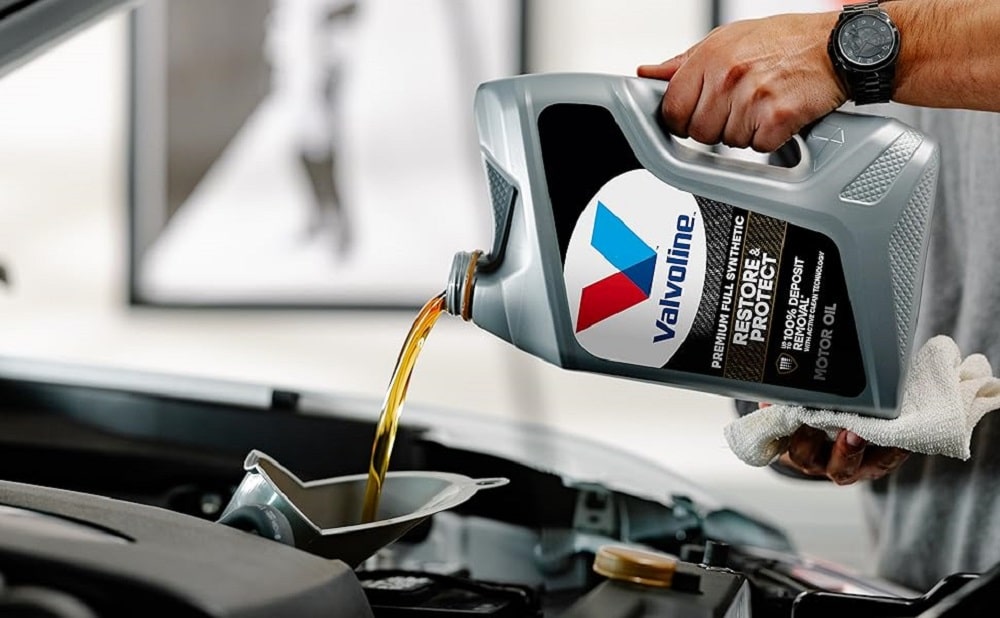
Oil changes remain the foundation of truck maintenance. While some modern trucks can stretch to 7,500 miles between changes, sticking to a 5,000-mile interval provides extra protection, especially if you tow heavy loads or drive in dusty conditions. During each oil change, ask your mechanic to rotate the tires and inspect brake pads. These simple additions take minimal time but catch problems before they become expensive repairs.
Don’t overlook your truck bed during these regular services. If you’re still running a factory bed liner, consider upgrading to a professional protective coating. Many truck owners who work their vehicles hard eventually discover products like Mil+Spec Liner Spray on Bedliner Dealer services, which provide superior protection against dents, scratches, and corrosion that standard liners simply can’t match.
Every 15,000 Miles: The Deep Dive
At 15,000-mile intervals, your truck needs more attention. Have your air filter inspected and replaced if necessary. A clogged air filter reduces fuel economy and engine performance. If you frequently drive on dirt roads or construction sites, you might need replacements more often.
This is also the time to check all fluid levels beyond just oil. Transmission fluid, coolant, brake fluid, and power steering fluid all need periodic inspection. Low fluid levels often signal leaks that require immediate attention. Catching a small leak early costs far less than replacing an entire transmission or engine down the road.
Every 30,000 Miles: Major Service Time
The 30,000-mile mark brings more substantial maintenance tasks. Your fuel filter needs replacement to keep your engine running efficiently. Spark plugs in modern trucks often last longer than older models, but checking them at this interval prevents misfires and poor fuel economy.
Battery terminals deserve a thorough cleaning, and the battery itself should be load tested. Nothing ruins a morning like a dead battery, and most batteries give warning signs before they fail completely. Inspect all belts and hoses for cracks or wear. A failed serpentine belt can leave you stranded and potentially cause serious engine damage.
Every 60,000 Miles: The Big Milestone
At 60,000 miles, your truck requires significant attention. Transmission fluid should be changed, especially if you tow regularly or drive in stop-and-go traffic. Many manufacturers claim transmission fluid lasts the vehicle’s lifetime, but experienced mechanics know that changing it extends transmission life considerably.
Brake fluid also needs replacement at this interval. Brake fluid absorbs moisture over time, which reduces braking performance and can damage brake system components. Fresh brake fluid ensures your truck stops reliably when you need it most.
This is an excellent time to evaluate your truck’s overall condition. Check the bed and undercarriage for rust or damage. If you’ve been putting off protective measures, now’s the time to act. Quality bedliner protection prevents rust from starting and protects your investment for years to come.
Every 100,000 Miles: The Century Mark
Reaching 100,000 miles is a major achievement. Celebrate by giving your truck the care it deserves. Coolant should be completely flushed and replaced. Old coolant loses its protective properties and can cause overheating or internal engine corrosion.
Inspect the entire exhaust system for leaks or damage. Differential fluid needs changing, particularly in trucks used for towing. Many owners forget about differential maintenance until problems arise, but regular changes prevent expensive repairs.
Consider having a professional inspect your truck’s suspension components. Ball joints, tie rod ends, and bushings wear gradually, and replacing them before they fail prevents dangerous situations and uneven tire wear.
Seasonal Considerations
Beyond mileage-based maintenance, seasonal changes demand attention. Before winter arrives, check your battery, test your heater, and ensure your coolant provides adequate freeze protection. Winter driving is hard on trucks, and preparation prevents breakdowns in freezing temperatures.
Before summer, test your air conditioning system and inspect cooling system hoses. Summer heat causes more breakdowns than any other season. Ensuring your cooling system works properly prevents overheating on hot days or during heavy towing.
The Value of Prevention
Following a maintenance schedule might seem expensive, but it’s far cheaper than major repairs or premature truck replacement. A well-maintained truck runs better, gets better fuel economy, and commands higher resale value. Think of maintenance as an investment rather than an expense.
Keep detailed records of all maintenance performed. These records prove your truck received proper care, which significantly increases its value when it’s time to sell or trade. Buyers pay premium prices for trucks with documented maintenance histories.
Your truck serves you reliably when you treat it right. Following this maintenance schedule ensures it remains dependable for years to come. Whether you’re hauling equipment to job sites or heading off-road for weekend adventures, proper maintenance keeps your truck ready for whatever challenges you face. Take care of your truck, and it’ll take care of you for hundreds of thousands of miles.