
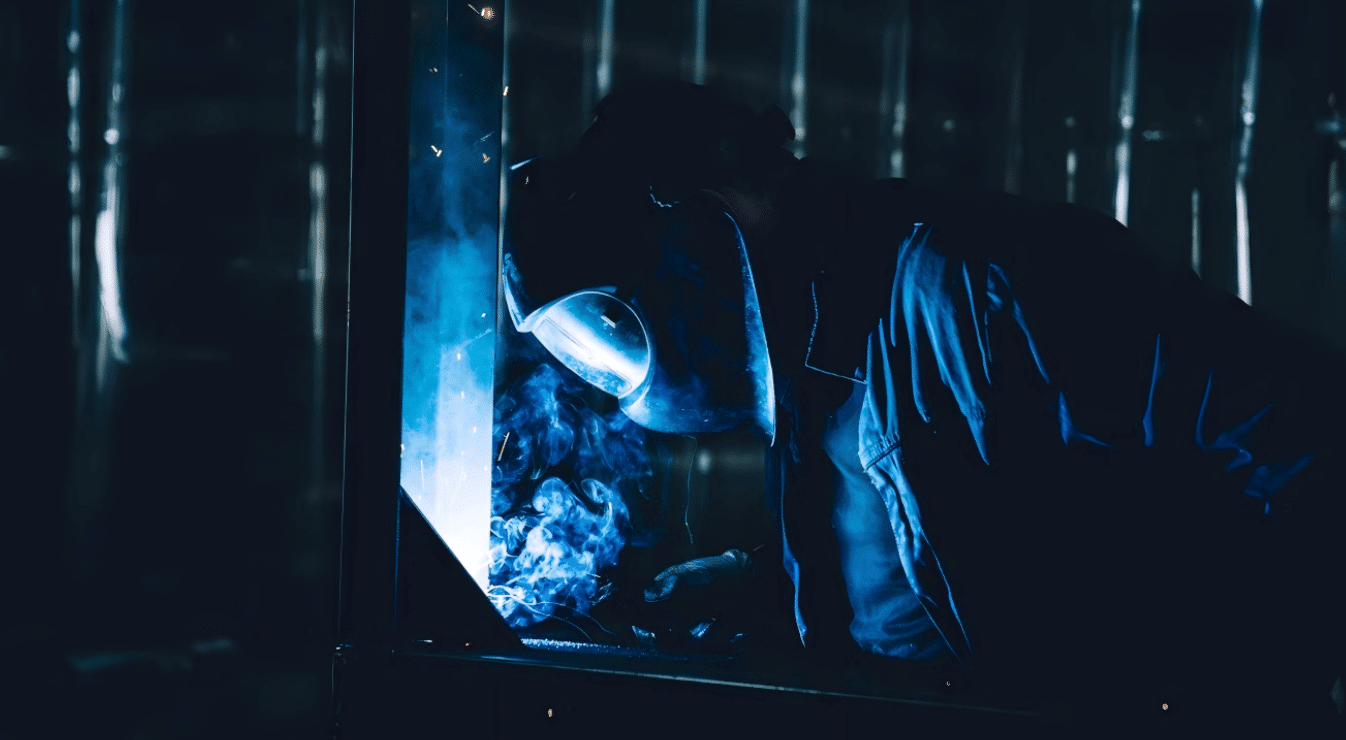
Heavy-duty bodywork is evolving fast. Beyond MIG/TIG and arc processes, repair shops are testing high-precision methods to handle thinner, stronger, and mixed-material truck structures. The question you’re likely asking is simple: can a laser welding machine actually work for real-world truck body repairs? Short answer—yes, in the right scenarios. This guide explains how it works, where it shines, where it struggles, and how to adopt it responsibly without disrupting your workflow.
Pain points this solves:
- Warping and rework on large, thin panels (time-consuming, costly).
- Difficulty joining modern materials (e.g., high-strength steel, aluminum, or dissimilar metals).
- Throughput bottlenecks and inconsistent cosmetic quality on visible repairs.
What Is Laser Welding?
The Fundamentals
Laser welding fuses metals with a concentrated beam of light that creates intense, localized heat. Because the beam is so controllable, you get narrow, deep welds and a minimal heat-affected zone (HAZ)—a major win for large exterior panels where distortion is the enemy.
Common Sources and Setup
Modern repair-oriented systems typically use fiber lasers (solid-state), valued for high beam quality, reliability, and compact footprints. Key setup variables you’ll manage include:
- Power & mode (continuous or pulsed)
- Focus & beam quality
- Joint geometry & fit-up
- Material reflectivity (aluminum vs. steel behaves differently)
Why Laser Welding Makes Sense for Truck Body Repair
Precision with Minimal Distortion
Truck skins, roofs, and side panels often use thin gauges. Traditional processes can overheat and warp them. Lasers concentrate heat precisely, reducing panel ripple and post-weld bodywork.
Versatility Across Materials
Modern trucks mix high-strength steels, aluminum, and sometimes dissimilar joints. With the correct parameters and surface prep, lasers can join these reliably while preserving parent-metal properties.
Photo by Harrison Haines
Efficiency and Cosmetic Quality
Laser seams are clean and narrow, translating to less grinding, filler, and paint prep. Faster travel speeds also help you push more jobs through the bay without sacrificing quality.
One-Sided Access
Because the heat source is line-of-sight and highly focused, some repairs can be completed from one side, helpful where inner access is restricted by liners, frames, or cargo hardware.
Key Applications in Truck Body Repairs
- Exterior panels & skins: fenders, sidewalls, roof skins—keep geometry intact and minimize wave.
- Structural reinforcements: cross-members, brackets, and frame attachments (within thickness/power limits).
- Mixed-material sections: aluminum sections on steel frames, lightweight panels on structural members.
- Hard-to-reach areas: localized seams where a torch or MIG gun won’t comfortably fit.
Pro tip: If you already perform panel bonding, hem flanges, or spot welding, a laser can complement—not replace—those methods by handling precision seams or finishing passes with less heat.
Challenges and Considerations Before You Commit
1) Investment & ROI
A laser welding machine costs more up front than a conventional welder. Calculate total cost of ownership: reduced rework, less consumable use, faster turnaround, and improved finish can offset capex over time—especially if you handle high-value fleets.
2) Operator Training
Laser welding is intuitive to run once set up, but you’ll still need parameter knowledge (focus, wobble patterns, travel speed), surface prep discipline, and safety training. IIW and national standards bodies offer good starting points on best practices.
3) Safety & Shop Readiness
Treat the beam with respect. Plan for:
- Enclosures or curtains, interlocks, and eyewear rated for the laser class
- Fume extraction at source
- Reflectivity management (especially on bright aluminum surfaces)
4) Fit-Up & Thickness Limits
Lasers love consistent gaps and clean fits. Large, uneven gaps or very thick sections may call for tack strategies, filler wire with laser hybrid, or conventional welding on select joints.
5) Workflow Integration
You’ll likely adjust fixturing, sequencing, and QC methods. A short, well-defined pilot line helps you test new techniques before rolling out across all bays.
How to Select the Right System
Match Power to Your Work
- Body panels & light structures: 1–2 kW often suffices.
- Reinforcements & heavier brackets: consider 3–6 kW (depending on alloys and penetration targets).
Look for Beam Control Features
- Wobble/oscillation options help bridge small gaps and improve cosmetic appearance.
- Adjustable spot size and easy focus control make it simpler to switch between panel and bracket work.
Automation & Mobility
- Handheld or gantry? Handheld gives flexibility for diverse truck geometries; gantry/cell setups increase repeatability on fleet jobs.
- Vision or seam tracking can improve consistency on long seams or curved panels.
Service & Training
Choose a vendor that supports on-site commissioning, operator training, spares, and remote diagnostics—vital for uptime in a commercial environment.
Total Cost of Ownership
Weigh capex against savings from:
- Shorter weld times and less rework
- Minimal abrasives, filler, and post-process costs
- Better finish quality (fewer paint and filler issues)
- Throughput gains on high-margin repairs
Practical Workflow for Your First Laser Repairs
- Start with a pilot job family (e.g., aluminum side panels).
- Define joint prep standards (cleaning, edge quality, gap targets).
- Dial in parameters (power, speed, wobble, focus) on coupons first.
- Document settings per alloy and thickness—build a quick-reference library.
- Add QC checkpoints (visual, dye-penetrant, or ultrasonic where needed).
- Scale gradually to frames/reinforcements after panel success.
- Capture metrics (time saved, rework rate, cosmetic score) to validate ROI.
Choosing a Laser Welding Machine for Truck Body Repair (What to Prioritize)
- Power & penetration that match your typical thicknesses
- Excellent beam quality for clean seams on visible surfaces
- Wobble modes to manage minor gaps on long panels
- Compact delivery (handheld head ergonomics matter for roof and tall sidewalls)
- Safety readiness (curtains, eyewear, interlocks, extraction)
- Training & support included in the package
Why Choose Denaliweld’s Laser Welding Solutions
If you’re preparing to modernize your repair bay, Denaliweld offers laser welding solutions purpose-built for demanding commercial vehicle applications. Their systems combine high-power fiber sources, precision beam control (including wobble), and automation-ready integration, making them a strong fit for large panels, structural reinforcements, and mixed-material joints common in truck body repair. With service, training, and scalability options, you can pilot confidently and expand as results prove out.
Future Outlook: Where This Is Heading
As truck OEMs push lightweighting, adopt mixed materials, and tighten repair tolerances, lasers will become more relevant in the aftermarket. Expect broader availability of repair procedures that specify laser for certain seams, falling system costs, and richer training ecosystems—lowering the barrier to adoption for body shops that want to lead.
Conclusion
A laser welding machine won’t replace every tool in your repair arsenal—but it’s a powerful addition where precision, low distortion, and cosmetic quality matter most. If you address training, safety, and fit-up—and target the right applications—you’ll reduce rework, shorten cycle times, and elevate finish quality on high-value truck repairs. For shops aiming to lead the next chapter of heavy-duty bodywork, a well-chosen, well-supported laser platform is a smart move—and Denaliweld offers a practical path to get there.








