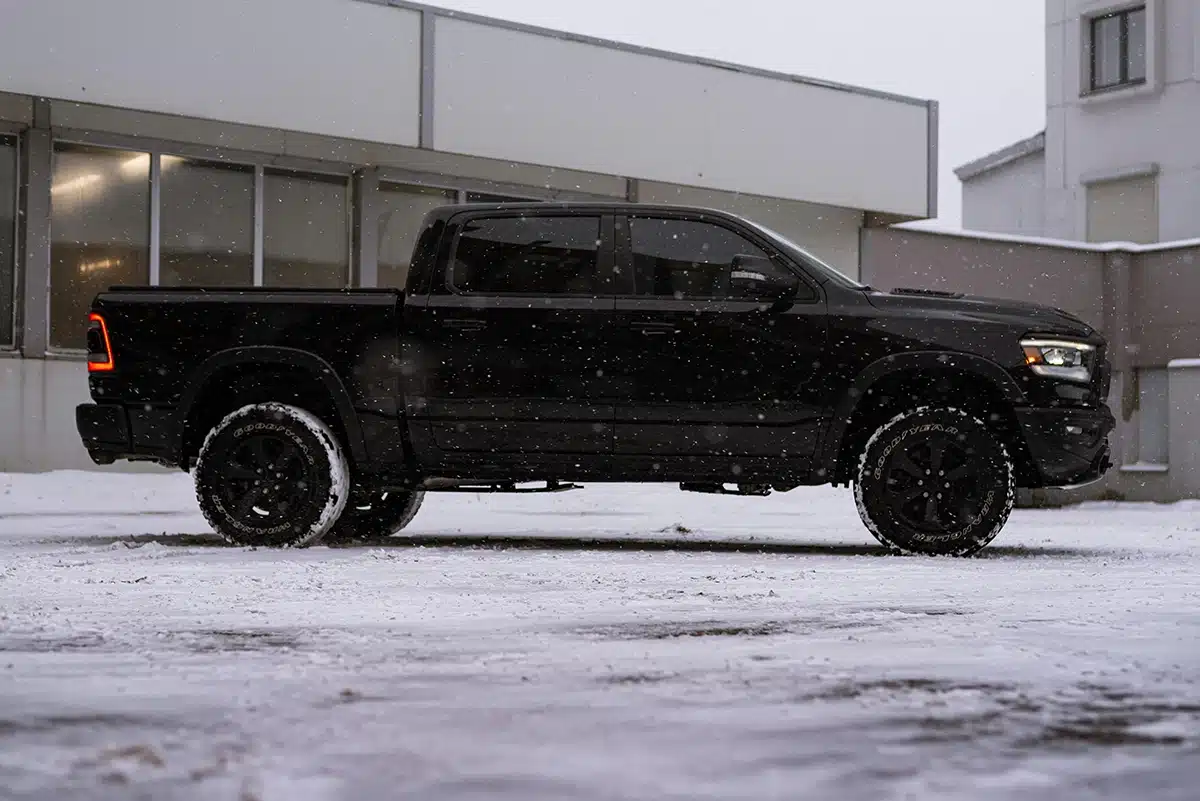
Jacksonville doesn’t get talked about much when people discuss harsh climates for vehicles. Alaska gets mentioned, Michigan with its road salt, Arizona with the desert heat. But Jacksonville, Florida creates a perfect storm of conditions that destroy pickup trucks faster than most places. The combination of factors there is brutal on vehicles, especially trucks that actually get used for work.
Humidity Does More Damage Than People Think
Rust needs iron and oxygen and water. Jacksonville’s got plenty of all three, pretty much year-round. Humidity rarely drops below 60 percent there, often it’s above 80. Morning dew covers vehicles almost every day, so there’s moisture sitting on metal surfaces constantly.
Truck beds take a beating. Most trucks haul stuff at some point, cargo scrapes away whatever protective coating is in the bed. Once bare metal gets exposed in Jacksonville’s climate, rust starts up fast. Spray in bedliners became popular partly because they seal the metal away from moisture, prevent the kind of damage that can total truck beds in coastal areas. A truck bed can rust through in just a few years without protection, which is ridiculous but it happens.
The undercarriage rusts even though there’s no road salt involved. Rain water sits in frame rails and hidden spots where air doesn’t circulate well. When humidity stays high that water doesn’t evaporate quickly, rust just keeps doing its thing. Exhaust systems rot out faster than they should. Brake lines corrode, suspension components deteriorate, all the usual stuff but accelerated.
Why Coastal Florida Is Different
People think Florida and they picture beaches and sunshine. Which is accurate, sure. But there’s constant humidity that just never goes away, and Jacksonville sits right on the Atlantic coast. Salt air gets into everything. Obviously trucks parked near the beach get hammered the worst, but vehicles miles inland still deal with salt hanging in the air. You can’t wash this off like northern road salt; it’s just there in the atmosphere doing damage all the time.
Temperature swings mess with trucks too. Jacksonville gets hot in summer, that’s not news to anyone. But it drops into the 30s some winter nights, then it’s back up to 70 the next day. Metal expands and contracts with that, and the constant cycling wears things down. Paint starts cracking, seals don’t work right anymore. Rust finds its way into openings that wouldn’t even matter in places where the temperature stays more consistent.
Sun and Heat Create Their Own Problems
UV rays in Florida are intense. Jacksonville gets plenty of sun throughout the year, and paint fades faster than it does up north. Clear coat peels, then moisture reaches the paint underneath. The whole paint job starts failing after that.
Plastic and rubber components break down quickly. Dashboard plastics crack and fade, which looks terrible. Weatherstripping around doors gets brittle, stops sealing properly. Rubber hoses under the hood deteriorate faster and that leads to coolant leaks, other mechanical issues. Tires dry rot just sitting in driveways because the sun bakes them all day.
Batteries get affected by heat in ways cold weather doesn’t manage. People think cold kills batteries, and yeah it does. Heat actually damages them worse over time though; speeds up the chemical reactions inside that wear batteries out. Jacksonville’s summer heat can shorten battery life by a year or more compared to cooler places, maybe even longer depending on the truck.
Conclusion
Truck owners in Jacksonville need to think about protection differently. Regular washing helps but it’s not enough by itself, not even close. Waxing the paint protects against UV damage. Undercoating helps with rust prevention, though some people argue about whether it traps moisture or prevents it. Getting spray in bedliners installed makes sense for anyone planning to keep their truck more than a few years, replacing a rusted-out bed costs way more than the liner would have cost upfront.
Jacksonville isn’t the only tough climate for trucks. Other places have their own problems, obviously. But the combination of salt air and humidity and heat and rain attacks vehicles from multiple angles all at once. Trucks there need more maintenance and protection than they would in most other places. Something buyers should think about before choosing what vehicle to get, especially if they’re planning to actually use the truck bed for hauling stuff instead of just driving it around.