
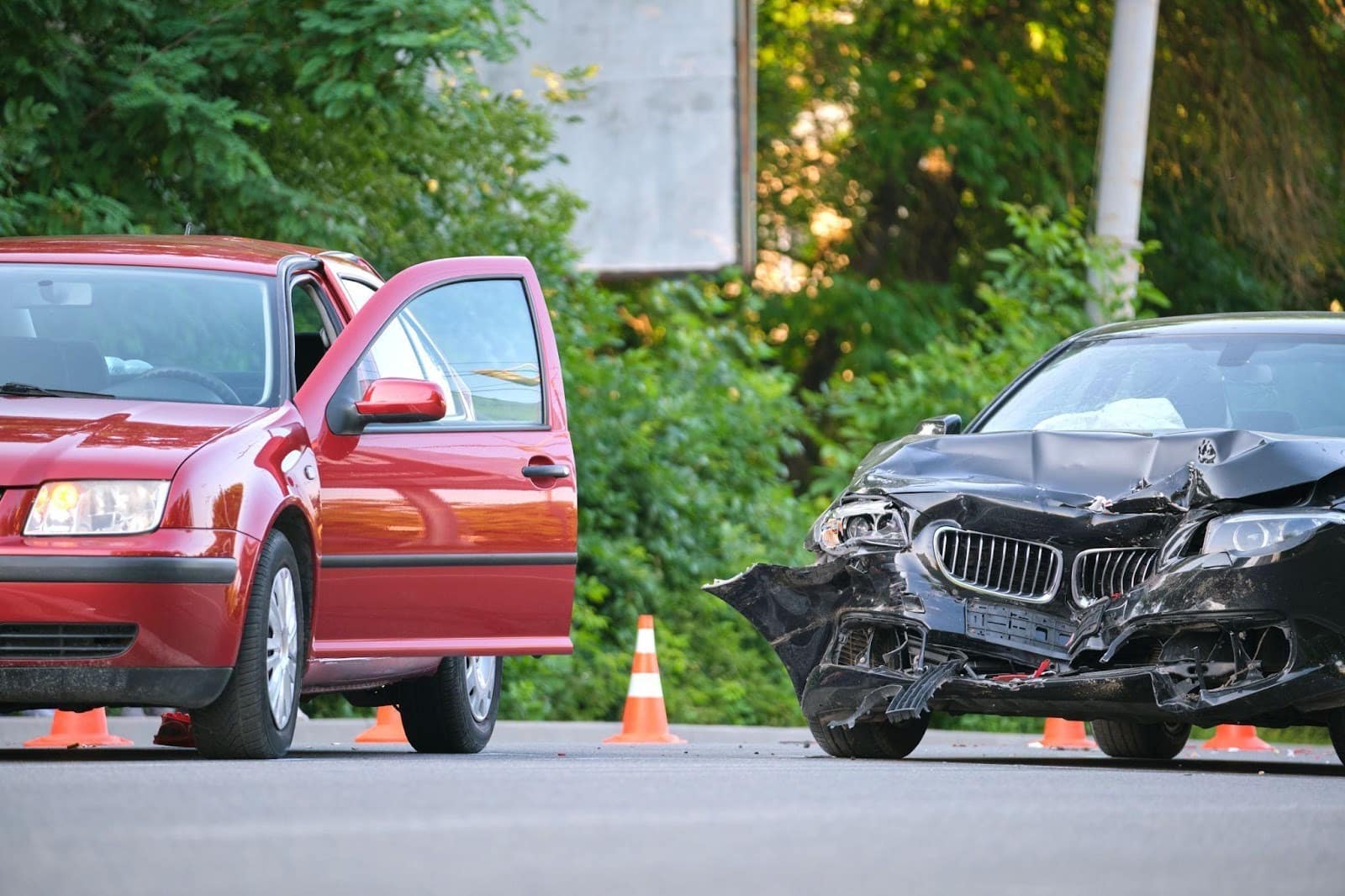
After a car accident, questions about fault and compensation often arise. Florida’s laws on negligence have undergone significant changes in recent years, which impact the amount of compensation that victims can recover for injuries and property damage. Understanding how fault percentages determine recovery helps drivers protect their financial and legal interests after a collision.
Speaking With an Experienced Car Accident Lawyer in Ocala
Fault percentages can make or break your claim. Even a slight difference in liability may determine whether you receive compensation at all. If you want clarity on your specific situation, consulting an experienced car accident lawyer in Ocala ensures you understand your legal rights under the state’s modified comparative negligence system.
A lawyer evaluates evidence, negotiates with insurers, and builds a strong case that accurately reflects how the crash occurred. Because Florida recently shifted from pure to modified comparative negligence, knowing how these changes apply to your circumstances can prevent costly misunderstandings.
Understanding Florida’s Modified Comparative Negligence System
Until 2023, Florida followed a pure comparative negligence model, allowing injured parties to recover damages even if they bore most of the blame for the crash. Under the previous standard, someone who was 90 percent responsible could still recover 10 percent of their losses.
That rule changed when lawmakers enacted a modified comparative negligence system through House Bill 837. Under the new law, a driver who is 51 percent or more at fault cannot recover any compensation from the other party. This standard has a significant impact on how accident cases are handled in Ocala and throughout the state. It means determining fault accurately is more important than ever.
How Fault Percentages Affect Compensation
Every car accident involves an investigation into how and why the collision occurred. Police reports, witness statements, and physical evidence help determine the percentage of responsibility assigned to each driver. Under Florida’s current system, your recovery amount equals your total damages minus your share of fault, if it remains at 50 percent or less.
For instance, if you suffer $100,000 in losses and investigators find you 40 percent responsible, you can collect $60,000. But if evidence shows you were 51 percent responsible, you receive nothing. This distinction highlights the importance of thorough documentation and expert legal representation.
Determining Fault After a Collision
Establishing fault involves analyzing all contributing factors. Investigators and insurance adjusters evaluate driver behavior, traffic violations, road conditions, and even mechanical issues. Common examples of driver negligence include:
- Speeding or aggressive driving
- Distracted driving, such as texting behind the wheel
- Failure to yield at intersections
- Impaired driving due to alcohol or drugs
- Ignoring weather-related hazards
Each piece of evidence contributes to shaping the narrative of what occurred. Legal professionals can challenge inaccurate findings or biased reports that unfairly increase your fault percentage.
Evidence That Strengthens Your Case
Strong evidence builds credibility and accuracy in fault determinations. Collecting the following materials after a crash improves your position:
- Police reports detailing the incident and any citations
- Photos showing vehicle damage, skid marks, and traffic signs
- Witness contact information and written statements
- Medical records connecting injuries directly to the collision
- Surveillance or dashcam footage capturing the event
An attorney organizes these details to demonstrate how the other driver’s actions primarily caused the crash. In a system where even one percentage point can determine compensation, precision in documentation becomes critical.
Insurance Company Tactics in Shared-Fault Cases
Insurance companies often take advantage of Florida’s modified negligence rule by arguing that claimants bear most of the responsibility. They may interpret ambiguous evidence in their favor or push for early settlements that undervalue your injuries.
Without strong representation, victims risk accepting partial blame that exceeds 50 percent, forfeiting their right to recovery. A car accident lawyer in Ocala ensures the insurer’s findings reflect reality, not strategy. They negotiate from a position of strength, relying on factual analysis and expert testimony to prove the other party’s greater negligence.
How Florida’s 51% Rule Impacts Different Types of Claims
The 51 percent bar applies not only to vehicle collisions but also to most personal injury claims arising from negligence. This includes slip-and-fall incidents, motorcycle crashes, and truck accidents. The rule ensures that only those who are less than primarily responsible can recover damages.
However, exceptions exist. For instance, claims involving medical malpractice or wrongful death may follow separate rules, depending on the facts of the case. Understanding these distinctions requires a thorough understanding of Florida statutes and case law.
The Importance of Legal Strategy in Fault-Based Claims
Florida’s modified comparative negligence law requires careful legal strategy. Attorneys analyze traffic laws, reconstruct accidents, and work with experts to determine the true causes of a crash. Their goal is to demonstrate that your share of responsibility stays below 51 percent, preserving your right to financial recovery.
They also manage communications with insurers, handle court filings, and protect clients from procedural mistakes that could weaken their position. Having informed guidance ensures every aspect of your case aligns with current legal standards.
Your Road to Recovery After an Ocala Car Accident
Understanding how Florida’s fault system works gives you the power to make informed decisions during recovery. Recognizing that being 51 percent at fault can prevent compensation underscores the importance of gathering evidence, developing a strategic approach, and timing it effectively. Legal professionals who are familiar with local courts and insurance practices can help you navigate these challenges effectively.
When you focus on accurate documentation, clear communication, and assertive representation, you improve your chances of obtaining a fair result. Taking control of your case ensures accountability and protects your future after a serious car accident in Ocala.








