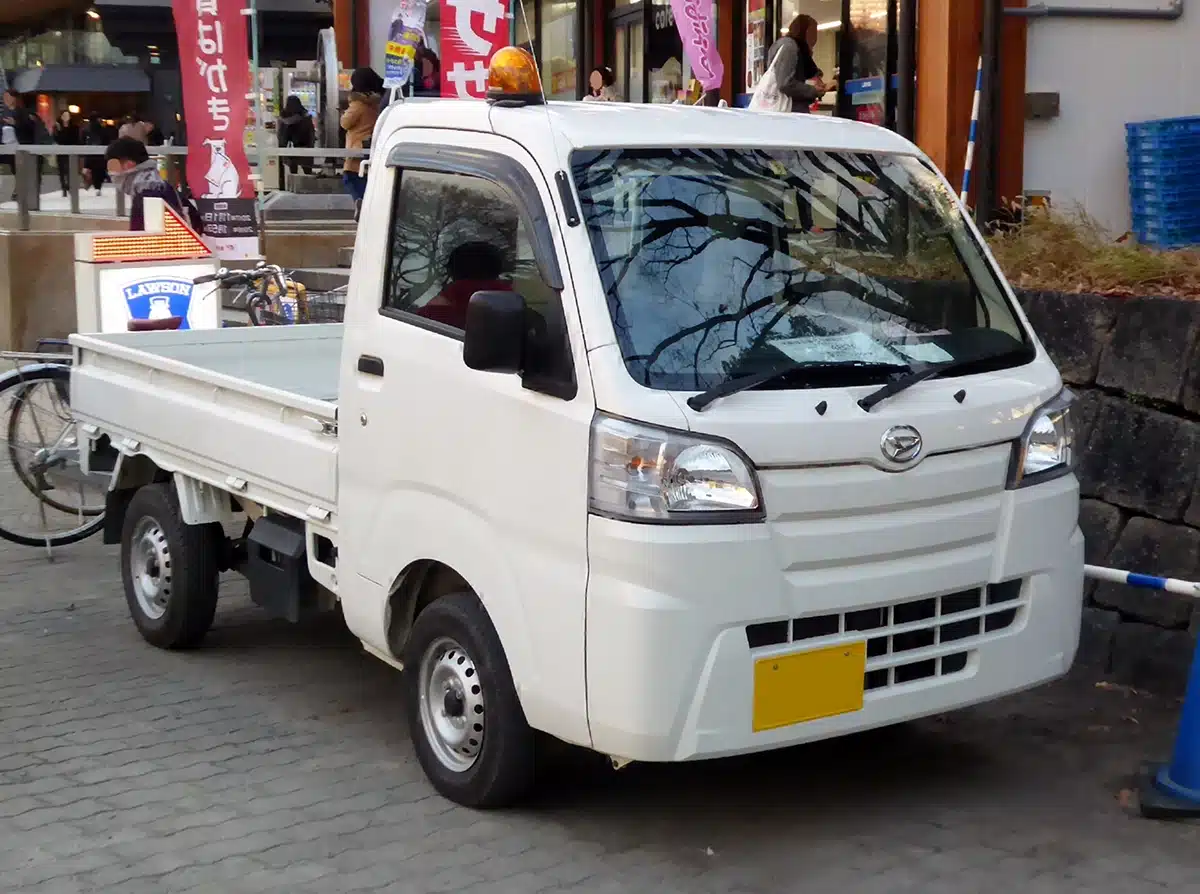
It’s fair to say that utility vehicles come in all shapes and sizes, but few debates spark more interest and curiosity than the content between full-size pickups and kei trucks. Both are designed for things like transporting cargo, tackling tough conditions and handling work, but there’s no doubt that they cater to different needs. Let’s take a look!
- Compact Efficiency vs Traditional Power
On first glance, pickup trucks might seem like the obvious winner for heavy duty work, but in certain situations, their large engines and wider load beds can be excessive and expensive. On the other hand, kei trucks offer an efficient and compact alternative. Designed according to Japan’s ‘kei’ class regulations, the priorities are fuel efficiency, space saving and total simplicity. The typical smaller 660c engines are powerful enough to thrive on local runs, farms, construction sites and for urban deliveries. It’s a case of realizing that you don’t always need the raw strength of a pickup to complete your tasks.
- Maneuverability and Everyday Practicality
A kei truck’s biggest advantage is its compact size. With a lower overall height and tighter turning radius, these mini trucks can fit easily down narrow lanes and into tight job sites and crowded urban areas. This fits the bill for everyone from delivery drivers to landscapers to tradespeople and more.
While pickup trucks might offer more space in the bed and cab, the extra room becomes a disadvantage when it comes to parking, working indoors and navigating tight spaces. Kei trucks are built for convenience and excel in short, local trips that feature frequent stops.
- Cost and Maintenance Considerations
Ownership cost is another big factor of difference between kei trucks and pickup trucks. Kei trucks are much more affordable to both purchase and run, thanks to smaller engines that consume less fuel, and simple mechanical systems that are easy to maintain. Replacement parts are affordable, and repairs can often be done without the need for specialized tools and equipment. This is in stark contrast to a powerful pickup truck whose engine requires more oil and fuel, whose tires are more expensive, and whose modern electronics require tricky fixes.
- Customization and Utility Potential
Traditionally, pickup trucks have fared better in the aftermarket, but kei trucks are starting to catch up. A growing global community of mini truck enthusiasts make it easier to come across custom Kei truck upgrades that improve on things like durability, performance and style.
- Environmental and Efficiency Benefits
There’s no doubt that kei trucks have the edge when it comes to the question of sustainability. Their engines are smaller and produce fewer emissions, and they consume less fuel which helps to reduce environmental impact without having an effect on daily usability.
In cities with regulation on carbon footprints and low-emission zones, a kei truck represents a smart choice that is compliant with all the local laws. Pickup trucks are always going to win in terms of horsepower, but that comes at a higher financial and environmental cost.
- Which Should You Choose?
Ultimately, this decision is going to be based on your specific needs. If the crux of your daily activity is carrying heavy loads and towing trailers, then a pickup truck might be more appropriate. However, if you do anything on a smaller scale like local or urban operations, a kei truck is the perfect choice. Not only does it cost less, but it also promises easier handling and better efficiency.
Power isn’t just about size, it can also be about smart design, adaptability for your environment, and being the best option for getting your specific job done efficiently.