
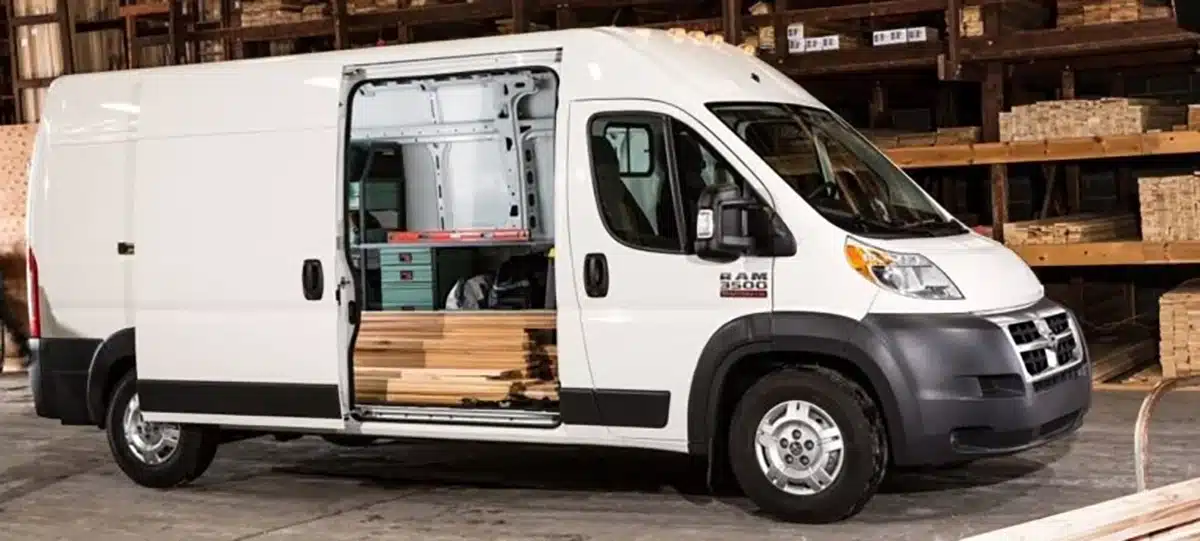
How much money do you lose each year because your van looks old and unprofessional? If you run a fleet or use your van for work, this matters a lot. Your van’s interior gets damaged from constant use, and that damage adds up fast.
Daily spills, dirt, tools, and endless wear and tear destroy factory seats quickly. Keeping your van looking clean and professional is hard. The right protection can save you thousands in replacement costs and keep your workspace comfy for drivers.
This guide will help you choose seat covers for commercial vans that last. You’ll learn which materials are tough, which brands offer good value, and how to pick the right covers for you. We’ve got practical tips, cost comparisons, and expert advice to help you make a smart choice.
Whether you manage a delivery fleet or have just one work van, this guide will help you protect your investment.
Understanding the Importance of Seat Covers for Commercial Vans
Commercial van seat protectors do more than just look good. They protect your vehicle from the daily wear and tear of business use. Unlike personal cars, work vans face constant use that can damage the interior in months without protection.
Many business owners don’t think about the long-term consequences of not protecting their van’s interior. But, quality seat covers are essential for keeping your van in good shape. They also make the driving environment better for those who spend hours on the road.
Safeguarding Your Business Asset
Your commercial van is a big investment that needs protection from the start. Work vans can cost between $25,000 and $45,000. Without seat protectors, this investment is at risk from many dangers.
Daily business operations expose van interiors to numerous hazards:
- Dirt, mud, and debris tracked in from job sites
- Spills from tools, paints, oils, and chemicals
- Sharp objects and equipment that tear fabric
- UV rays that fade and crack original materials
- Constant friction from frequent entry and exit
Preventing damage with seat covers is cheaper than fixing it. Seat covers cost $150 to $400. Replacing damaged seats can cost $800 to $2,000 per seat.
Damaged interiors also hurt resale value. A clean van can sell for 15% to 25% more. A well-protected $35,000 van could sell for an extra $5,000 to $8,000.
Insurance can also be affected. Showing you maintain your van can lower insurance costs. This proves you care about protecting your investment.
Improving Driver Experience and Professional Image
Today’s seat covers offer more than just protection. They are made with advanced materials and designs that make long drives more comfortable. This boosts productivity and job satisfaction.
Keeping the van cool or warm is a big plus. Good seat covers prevent sweating and discomfort. They stay cool in summer and warm in winter.
Professional appearance matters more than many business owners realize. A clean van shows you’re professional and detail-oriented. Dirty seats give the wrong impression.
Ergonomic benefits are another advantage. Many seat covers offer enhanced lumbar support and cushioning. This reduces driver fatigue and back pain.
The mental impact is also important. A clean, comfortable van boosts morale and pride in work. This leads to better customer service.
Customizing seat covers with company colors and logos is also a plus. It reinforces your brand while protecting your van. Your van’s interior becomes a part of your brand image.
Material Options for Seat Covers
Different seat cover materials offer unique benefits for your business needs, especially when choosing the right automotive upholstery fabric for durability and performance. Each fabric performs differently under daily work conditions. Heavy-duty van seat covers come in various types, each tackling different challenges your business might face.
The material you choose impacts comfort and cleaning time. Some fabrics are great at resisting moisture, while others are more breathable. Your work environment and budget will help you pick the best material for your fleet.
Comparing Polyester and Neoprene Options
Polyester seat covers are an affordable entry point for protecting your van. They’re easy to clean with just soap and water, perfect for busy schedules. These covers work well for light to moderate use, ideal for delivery drivers or service technicians.
Neoprene covers cost more but offer better performance in tough conditions. This material resists water exceptionally well, protecting seats from spills and rain. Contractors, landscapers, and plumbers love how neoprene keeps wet boots and muddy conditions out.
Neoprene is more comfortable than polyester, offering cushioning and breathability. This reduces fatigue on long drives. Polyester is thinner and less padded but works fine for shorter routes or climate-controlled environments.
Price differences between these materials are significant. Polyester covers are 30-50% cheaper than neoprene. However, neoprene’s durability means you’ll replace them less often, potentially saving money over time.
Why Vinyl Works for Demanding Applications
Vinyl is a commercial favorite for its ability to withstand abuse. It’s waterproof, letting you wipe away spills and dirt quickly with a damp cloth. Heavy-duty van seat covers made from vinyl require almost no special care or cleaning products.
Modern vinyl addresses older concerns about cracking and heat retention. Today’s commercial-grade vinyl includes UV inhibitors to prevent sun damage and cracking. Enhanced backing materials also improve breathability, reducing the hot, sticky feeling older vinyl covers created.
Vinyl excels in specific work environments where durability matters most. Consider vinyl if your van carries:
- Sharp tools or equipment that might puncture other fabrics
- Chemicals, paints, or substances that stain permanently
- Heavy loads that constantly rub against seat surfaces
- Workers with extremely dirty or greasy clothing
Vinyl’s waterproof nature protects your original upholstery completely. Nothing penetrates to the seat beneath, preserving your van’s interior for years. This protection becomes valuable when you eventually sell or trade your vehicle.
Canvas Covers for Maximum Toughness
Canvas seat covers offer unmatched tear resistance for the roughest commercial applications. This heavy-duty material withstands treatment that would shred polyester or damage vinyl. Construction workers, equipment operators, and tradespeople who work in extreme conditions rely on canvas for reliable protection.
The natural breathability of canvas keeps you comfortable during long work days. Unlike vinyl or neoprene, canvas allows air to circulate freely, preventing sweat buildup in hot weather. This breathability makes canvas ideal for vans without air conditioning or work in southern climates.
Canvas develops a professional, worn-in appearance that actually improves with age. The material softens over time while maintaining its protective qualities. Many commercial van owners appreciate how canvas covers look appropriate for client-facing businesses while still providing rugged protection.
Maintenance requirements differ slightly from synthetic materials. Canvas benefits from regular brushing to remove dry dirt and debris. Most canvas covers feature water-resistant treatments that repel light moisture, though they’re not fully waterproof like vinyl or neoprene options.
The weight of canvas provides an additional advantage—these covers stay firmly in place without constant adjustment. Lighter materials sometimes shift during vehicle movement, but canvas sits securely on your seats throughout the workday. This stability matters when you’re climbing in and out of your van dozens of times daily.
Factors to Consider When Choosing Seat Covers
When looking for seat covers, several important factors come into play. The material is just one part of it. You also need to think about fit, weather resistance, and maintenance.
Your commercial van works hard every day. The seat covers you choose should protect your investment just as well.
Making the right decision now saves you money and hassle later. Let’s look at the key factors that make good seat covers stand out.
Getting the Right Fit for Your Seats
The fit of your seat covers is crucial for both protection and looks. Poorly fitted covers can bunch up and leave gaps. This lets dirt and moisture damage your original upholstery. Well-fitted covers stay in place and offer complete protection.
You have two main options: universal and custom. Understanding the difference helps you choose the best for your needs.
Universal fit covers work for many vehicles. They’re cheaper, available quickly, and easy to replace. But, they might have wrinkles or gaps, especially around armrests or headrests.
Custom fit covers are made just for your van. They fit perfectly, offer maximum protection, and look professional. They cost more, but they’re worth it.
“A custom-fitted seat cover isn’t just about looks—it’s about comprehensive protection that extends the life of your vehicle’s interior by years.”
Before ordering, measure your seats carefully. Note if you have bucket seats or bench seats. Check for built-in armrests, headrests, or center consoles.
Important considerations include airbag compatibility. Modern vans have side-impact airbags. Your covers must have special seams for airbag deployment.
Seat configurations vary across commercial vans. A Ford Transit is different from a Ram ProMaster. Accurate measurements prevent costly returns and ensure covers fit perfectly.
Weatherproofing and Built-to-Last Construction
Your commercial van faces environmental challenges every day. Extreme heat and freezing temperatures can damage interiors. Rain, snow, and mud track inside constantly.
Choosing weather-resistant seat covers protects against these challenges. The right covers maintain their integrity no matter what nature throws at them.
UV resistance is critical for vans parked outdoors. Ultraviolet rays fade colors and break down materials. Quality covers include UV inhibitors to prevent sun damage.
Waterproofing is more important than many people realize. Spilled drinks and wet clothing can soak through inadequate covers. Look for covers with waterproof backing or laminated layers.
Temperature tolerance affects comfort and durability. Some materials become uncomfortably hot in sunlight. Others crack in freezing conditions. Premium covers handle temperature extremes without degrading.
- UV-resistant fabrics prevent fading and material breakdown
- Waterproof barriers protect against spills and moisture damage
- Temperature-stable materials perform in extreme heat and cold
- Reinforced stitching withstands daily wear and tear
Consider your specific environment carefully. Arizona van owners need maximum UV protection. Minnesota operators require covers that stay flexible in subzero temperatures. Coastal businesses benefit from mold and mildew resistance.
Durability also depends on construction quality. Double-stitched seams hold up better than single stitching. Reinforced stress points prevent tearing at common wear areas. These details distinguish truly long-lasting van seat covers from products that fail prematurely.
Simple Care Keeps Covers Looking Great
Easy maintenance features save you time and money. Seat covers that clean easily maintain their appearance longer. They also contribute to a healthier, more pleasant work environment.
Removability is a key maintenance feature. Covers that remove quickly for washing are far more practical. Look for designs with simple attachment systems like hooks, straps, or elastic edges.
Stain-resistant treatments make daily cleaning much easier. These special coatings cause liquids to bead up rather than soak in. A quick wipe removes most spills before they become permanent stains.
Some materials naturally resist odors better than others. Covers that trap smells require frequent deep cleaning. Quality fabrics allow air circulation and don’t hold onto unpleasant odors from food, pets, or work materials.
Machine-washable covers offer the ultimate convenience. Toss them in your washer when they need refreshing. This simple feature extends the life of your covers significantly compared to those requiring professional cleaning.
“The best seat covers are the ones you actually keep clean. If maintenance is complicated or time-consuming, it simply won’t get done regularly.”
Consider the total cost of ownership. Covers that cost slightly more upfront but clean easily save money over time. You avoid professional cleaning fees and replace them less frequently.
Time savings matter too. Commercial van owners are busy. Spending hours cleaning complicated covers isn’t practical. Simple maintenance features mean you spend less time on upkeep and more time running your business.
Look for covers with antimicrobial treatments if you transport clients or maintain a professional image. These treatments inhibit bacteria growth and keep your van’s interior fresher between cleanings.
The combination of proper fit, weather resistance, and easy maintenance creates the ideal package. When all three factors align, you get seat covers that truly protect your investment while making your daily operations smoother.
Customization Options for Seat Covers
Custom fit van seat covers do more than protect your seats. They let you show off your brand. When you get seat covers for your vans, they become more than just covers. They become a way to show your business’s style.
Choosing the right custom options can make your business stand out. You can add your logo or pick colors that show off your professionalism. These small details can make a big difference.
Branding Through Personalized Designs
Adding your logo or name to custom fit van seat covers makes your brand pop. Clients see these touches right away. It shows your business cares about quality in every way.
There are many ways to customize for business:
- Embroidery: Lasts for years and can handle washing
- Screen printing: Good for big logos and bold designs
- Heat transfer: Perfect for detailed graphics
- Vinyl application: Great for outdoor use
Custom designs cost between $15 and $50 per cover. You need to order at least 4 to 10 sets. But the benefits are worth it, like a more professional look and consistent brand.
A plumbing company in Texas put their logo on seat covers. It matched their truck wraps perfectly. Customers loved the cohesive professional look.
In California, a catering service put their chef’s hat on seat covers. It showed their dedication to food before anyone tasted it.
Coordinating Colors Across Your Fleet
Choosing the right colors is key for your fleet. The right colors make your vehicles look good together. This makes your business look polished and professional.
Here are some tips for picking custom fit van seat covers:
- Match company branding colors for a unified look
- Coordinate with vehicle paint for a complete look
- Choose darker shades for dirty industries
- Select lighter tones in hot places to stay cool
- Use contrasting accents to highlight your brand
Dark colors like charcoal and navy hide dirt well. They’re great for landscaping and delivery services. Lighter colors like gray and tan are modern and clean. They’re good for tech and healthcare.
Having the same colors on all your vehicles builds brand recognition. It makes your team proud to drive for your company. It shows your business is professional and well-kept.
Many businesses use color coding for different teams. A property management company might use blue for maintenance and green for landscaping. This keeps things organized while still showing your brand.
Investing in custom covers strengthens your brand every day. Drivers and clients see the quality in every detail. It makes your business stand out.
Installation Process of Seat Covers
Installing seat covers can be quick and easy with the right tools and preparation. Many van owners find it takes less time than they thought. Knowing your options helps you choose the best method for your needs.
Deciding to install the covers yourself or hire someone depends on several factors. Your comfort with DIY projects, available time, and the complexity of the covers are key. Let’s look at both options to help you decide.
Choosing Between Self-Installation and Professional Services
DIY installation can save you money on labor, which can cost $50 to $150 per seat. You also get to work at your own pace without waiting for appointments.
Most universal fit covers can be installed in 15 to 30 minutes per seat. They are designed to be easy to use, with clear instructions and simple attachment methods.
Custom-fitted covers take longer, usually 30 to 60 minutes per seat. They offer a precise fit and look professional. These covers have more attachment points and detailed contouring.
The best seat covers for vans are those you can confidently install yourself, saving both time and money while protecting your investment.
However, professional installation is a good choice for some. It’s best for complex custom covers and those with heating elements or special electronic features. Professionals ensure proper wiring and function.
Time is also a factor. Fleet managers with many vehicles might prefer professional services for quick installation. Mobile services can visit your location and outfit several vans at once.
Professional installers charge between $75 and $200 per vehicle, depending on location and cover complexity. Many shops, dealerships, and mobile services offer installation. Some retailers even include free installation with cover purchase.
Essential Equipment for a Successful Installation
Having the right tools makes installation smooth. You likely already have most of what you need. Here’s a checklist for installing seat covers:
- Flathead screwdriver – Perfect for tucking fabric into tight crevices and gaps
- Scissors – Useful for removing tags and trimming excess straps
- Hog ring pliers and rings – Required for certain attachment methods on custom covers
- Cleaning supplies – Wipe down seats before installation for better adhesion
- Towels – Protect your knees and keep the work area clean
The installation process is straightforward. Start by removing the headrests from each seat. Most headrests pull straight up, though some require pressing a release button.
Next, slide the cover over the seat back. Position it carefully to align with the seat’s contours. Work from top to bottom, smoothing out any wrinkles or bunches as you go.
Secure the bottom seat cover next. Pull it tight to eliminate slack and ensure a snug fit. Use the provided straps, hooks, or elastic bands to attach the cover underneath the seat.
Tuck excess fabric into seat crevices using your flathead screwdriver. This creates a clean, professional appearance that looks factory-installed. Pay special attention to areas around armrests, seat levers, and adjustment controls.
Reattach the headrests through the cover’s designated openings. Make sure they click securely into place. Finally, do a thorough check of all seat functions. Test that adjustment levers, recline mechanisms, and any safety features work properly.
Some covers include additional securing methods like Velcro straps or buckles. Follow the manufacturer’s specific instructions for these features. Taking your time during installation prevents problems later and ensures your covers last for years.
If you encounter resistance or the cover doesn’t seem to fit, stop and reassess. Double-check that you’re using the correct cover for that specific seat. Sometimes rotating the cover or approaching from a different angle solves the issue.
Popular Brands of Durable Seat Covers
Many trusted manufacturers are known for making top commercial van seat covers that last long. They have spent years researching and developing to meet the needs of commercial vehicle owners. Choosing a well-known brand means your purchase will likely last a long time.
When picking a brand, consider your needs, budget, and vehicle type. Each brand has its own strengths, like premium materials and new designs. Knowing what each brand offers helps you choose wisely and protect your investment.
A Leader in Vehicle Protection
Covercraft has been protecting vehicles for over 50 years, making it a trusted name. Their long experience shows in every product. They offer a wide range of materials and custom-fit options for commercial use.
The Carhartt line from Covercraft is great for commercial vans. It uses heavy-duty duck weave fabric that can handle daily wear and tear. This fabric resists tears, stains, and wear patterns common in busy areas.
Covercraft offers a lifetime warranty on many products, showing their confidence in their durability. Their covers fit perfectly, preventing bunching and sliding. This attention to detail is rare in poorly designed covers.
Quality You Can Trust
WeatherTech makes their seat protectors in America, ensuring top quality. Their American-made commitment means superior craftsmanship and reliable performance. They are known for precision engineering in the automotive market.
Their seat covers have a multi-layer construction for maximum protection without losing comfort. Each layer has a specific function, from moisture barriers to abrasion resistance. The non-slip backing keeps the covers in place, ensuring comfort for drivers and passengers.
WeatherTech offers a perfect fit guarantee for many vehicle models, including commercial vans. This guarantee makes ordering easy. Their products are made with laser measurements for exact compatibility with your vehicle’s seats.
Affordable Custom Solutions
ECustoms offers a middle ground between universal fit options and custom covers. They provide custom-manufactured seat covers at surprisingly affordable prices. This makes them a great choice for fleet managers buying for multiple vehicles.
They offer various materials to fit different budgets and needs. You can choose from:
- Ballistic nylon for maximum durability
- Poly-cotton blends for comfort and protection
- Synthetic leather for easy cleaning
- Cordura fabric for abrasion resistance
ECustoms includes a warranty with their products, usually one to three years. While not as long as some premium brands, it’s enough for most commercial use. Their prices are competitive, offering great value without sacrificing quality.
Fleet managers like how ECustoms makes bulk ordering easy and affordable. They offer discounts for large orders, reducing costs. This helps businesses protect their entire fleet without overspending.
Cost Considerations for Seat Covers
Every business owner wants to protect their commercial van without breaking the bank. The good news is that quality seat protection doesn’t have to drain your budget. Understanding what influences pricing helps you make smart choices that balance cost with performance.
The seat cover market offers options at nearly every price point. Finding the right balance between affordability and durability ensures your investment pays off.
Setting a Realistic Budget
Seat cover prices vary dramatically based on material quality and fit type. Universal-fit polyester covers represent the most budget-friendly option, typically ranging from $30 to $60 per seat. These work well for businesses with minimal wear concerns and tight budgets.
Mid-range options include better-quality polyester and vinyl covers. These usually cost between $80 and $150 per seat and offer improved durability and fit.
Premium durable seat covers for commercial vans include custom-fit neoprene, heavy-duty canvas, and specialized materials. Expect to invest $150 to $400+ per seat for these top-tier options. The higher price reflects superior protection and longevity.
Several factors drive these price differences beyond just the material itself:
- Custom vs. universal fit – Tailored covers cost more but provide better protection and appearance
- Material thickness and quality – Premium fabrics resist wear and tear far longer than budget alternatives
- Brand reputation – Established manufacturers often charge more but stand behind their products
- Special features – Heated seat compatibility, extra padding, and reinforced seams add to costs
- Design complexity – Covers for captain’s chairs with armrests cost more than simple bench seats
Your business type should guide your budget decisions. Delivery services benefit most from easy-clean vinyl or neoprene options that handle daily spills and frequent entry and exit. These materials justify their higher upfront cost through reduced cleaning time and replacement frequency.
Contractors and construction crews need maximum durability. Canvas or heavy-duty vinyl covers withstand tools, dirt, and abrasive materials better than lighter options.
Service businesses that transport clients should prioritize appearance alongside protection. Custom-fit covers in professional colors create a positive impression worth the investment.
Fleet managers can significantly reduce costs through volume purchases. Many manufacturers offer discounts of 10-20% for multiple sets. Some companies provide even better rates for orders covering entire fleets of 10+ vehicles.
Consider whether complete seat sets or individual covers make more sense. Front seats typically need replacement more frequently than rear seats. Buying quality covers for high-wear positions while using budget options for less-used seats optimizes spending.
Thinking Beyond the Price Tag
The cheapest seat covers rarely prove cost-effective over time. Smart buyers focus on total cost of ownership rather than initial purchase price. This perspective reveals the true value of quality investment.
Consider this comparison: Budget covers costing $50 per seat might seem appealing initially. However, if they wear out after 12-18 months, you’ll spend $150-250 over five years replacing them multiple times. Meanwhile, $300 premium covers lasting five years cost less overall while providing superior protection throughout their lifespan.
The bitterness of poor quality remains long after the sweetness of low price is forgotten.
Quality seat covers deliver value beyond their own replacement costs. They protect your vehicle’s original upholstery from damage that could cost $1,000 to $3,000 to repair or replace. This protection becomes especially valuable for leased vehicles facing end-of-lease penalties for interior damage.
Durable seat covers for commercial vans also maintain resale value. Buyers pay premium prices for well-maintained vehicles. Clean, protected interiors suggest careful ownership and reduce buyer concerns about hidden problems.
Professional appearance impacts customer perception and business success. Worn, stained seats communicate neglect and unprofessionalism. Quality covers maintain a sharp appearance that builds client confidence and strengthens your brand image.
Calculate your return on investment by considering these factors:
- Protection value – Cost to repair or replace damaged original upholstery
- Replacement frequency – How often you’ll need to buy new covers
- Cleaning time saved – Easier maintenance with quality materials
- Resale impact – Higher vehicle value at trade-in or sale time
- Professional image – Business opportunities gained through better presentation
For businesses using vehicles 5+ years, investing in premium seat protection pays for itself multiple times over. The math becomes even more favorable for high-mileage operations where seats face constant use.
Don’t forget to factor in warranty coverage when evaluating value. Quality manufacturers often provide 2-5 year warranties covering defects and excessive wear. This protection adds real value and demonstrates manufacturer confidence in their products.
Making cost-effective decisions means looking past sticker shock at premium prices. Focus instead on cost per year of use, protection provided, and total savings over your vehicle’s service life. This approach helps you invest wisely in seat covers that truly serve your commercial van needs.
Maintenance Tips for Long-Lasting Seat Covers
Proper care turns regular seat covers into long-lasting van seat covers. They protect your investment and look professional for years. Most maintenance tasks take just minutes but deliver significant returns in durability and appearance.
Different materials need specific care to stay in top condition. What works for vinyl might damage neoprene or canvas. Knowing these differences helps avoid costly mistakes and maximizes protective value.
Simple Weekly Care Practices
A consistent cleaning schedule prevents the buildup that shortens seat cover lifespan. Regular light cleaning beats occasional deep cleaning every time. Small efforts throughout the week stop dirt from working into fabric fibers where it causes premature wear.
Start with vacuuming at least once weekly to remove loose dirt and debris. Use the upholstery attachment to reach seams and crevices where grime accumulates. This simple step alone can double the life of your seat covers.
Material-specific cleaning keeps covers in excellent shape:
- Vinyl covers: Wipe down with mild soap and warm water using a soft cloth. Avoid harsh scrubbing that can scratch the surface. Dry thoroughly to prevent water spots.
- Canvas covers: Brush regularly with a soft-bristle brush to remove embedded dirt. Spot-clean stains immediately before they set into the weave.
- Neoprene covers: Use specialized neoprene cleaners designed for wetsuit material. Regular detergents can break down the rubber compounds over time.
- Polyester covers: Many are machine-washable on gentle cycles. Check manufacturer tags for temperature limits. Air dry or use low heat to prevent shrinkage.
For machine-washable covers, follow these guidelines carefully. Use cold or warm water, never hot. Select a gentle cycle with mild detergent. Avoid bleach and fabric softeners, which can damage protective coatings and reduce water resistance.
Daily quick-wipes take seconds but prevent major problems. Keep a container of cleaning wipes in your van for fast cleanups after messy jobs. This habit stops stains before they become permanent.
Tackling Tough Stains Effectively
Commercial vans face unique staining challenges that require targeted solutions. Acting quickly makes the difference between easy removal and permanent discoloration. Know which products work for your specific stain type.
Oil and grease stains plague contractors and mechanics regularly. For these stubborn marks:
- Blot excess oil immediately with paper towels or absorbent cloths
- Apply a commercial degreaser designed for automotive use
- Let the product sit for 5-10 minutes to break down the oil
- Scrub gently with a soft brush in circular motions
- Rinse thoroughly and repeat if necessary
Dish soap works surprisingly well on fresh grease spots. Its formula cuts through oil effectively without harsh chemicals that might harm seat cover materials.
Food and beverage spills require immediate attention. Coffee, soda, and food stains set quickly in warm van interiors. Blot liquids right away with absorbent materials. Never rub, which spreads the stain deeper into fibers.
Mix equal parts white vinegar and water for a safe, effective cleaning solution. This combination handles most food stains without damaging long-lasting van seat covers. Apply to the stain, let sit briefly, then blot clean.
Mud and dirt removal works best after the soil dries completely. Scraping or brushing wet mud pushes it deeper into material. Once dry, vacuum thoroughly, then treat any remaining marks with appropriate cleaners for your cover material.
Prevention beats correction every time. Simple barriers like towels over seats during messy jobs save hours of cleaning effort later.
Harsh chemicals deserve special caution. Avoid ammonia-based cleaners on vinyl, which can cause cracking. Skip chlorine bleach on colored fabrics, which causes fading. Petroleum solvents may dissolve neoprene backing. Always test new cleaning products on hidden areas first.
Safe alternatives deliver excellent results without risks. Baking soda paste removes odors and lifts stains gently. White vinegar cuts through grime naturally. Specialized automotive upholstery cleaners are formulated specifically for vehicle interiors.
Some stains exceed home treatment capabilities. Professional cleaning services use steam extraction and commercial-grade products that remove deep-set stains. For expensive custom covers with persistent stains, professional help often costs less than replacement.
Consider professional cleaning annually for high-use vehicles. This deep maintenance extends cover life significantly while keeping your fleet looking its best. The investment pays for itself through extended replacement cycles.
Eco-Friendly Seat Cover Options
Choosing eco-friendly seat covers for your van doesn’t mean you have to give up on protection. Today, you can find durable options that are also good for the planet. These choices are perfect for businesses wanting to reduce their carbon footprint without losing quality.
The demand for green products is growing. Now, fleet operators can find seat covers made from new materials that meet commercial needs. Knowing your options helps you pick the best for your business and the environment.
Sustainable Materials to Consider
There are many eco-friendly materials for commercial vans. Each has its own strengths and benefits for the planet.
Recycled polyester is a top pick for vans looking to go green. It’s made from plastic bottles and is as strong as regular polyester. The big difference is it’s better for the environment without losing quality.
Organic cotton canvas is another great choice. It’s made without harmful chemicals and is breathable and durable. It feels good against your skin and looks professional.
Bio-based synthetic materials are also emerging. They combine good qualities of traditional synthetics with less environmental harm. As more companies go green, these options are becoming more common.
Consider these eco-friendly components:
- Natural rubber backing instead of petroleum-based alternatives
- Water-based adhesives that avoid harmful solvents
- Vegetable-tanned leather for premium looks
- Hemp blends for strength with low environmental impact
Important considerations: Eco-friendly options might cost more. Recycled polyester is often the same price as regular polyester. Organic cotton canvas is a bit pricier. Bio-based synthetics vary in cost and availability.
Durability can vary. Recycled polyester is as durable as regular polyester. Organic cotton canvas lasts as long as standard cotton. Some bio-based materials might not be as good in extreme conditions.
Benefits of Eco-Conscious Choices
Choosing sustainable seat covers has many benefits. They improve air quality, your company’s image, and can even save you money.
Improved air quality is a big plus. Eco-friendly materials often have fewer harmful chemicals than regular ones. This makes the air in your van healthier for drivers. It can reduce headaches, fatigue, and breathing problems.
Going green can also boost your company’s reputation. Customers like to work with businesses that care about the environment. Showing you’re committed to sustainability can help you win contracts and attract employees who share your values.
Your green choices can strengthen customer relationships in these ways:
- Building trust with eco-conscious clients who share your values
- Differentiating your fleet from competitors using conventional products
- Creating conversation opportunities about your sustainability initiatives
- Attracting environmentally aware employees who appreciate green workplace practices
Financial incentives can help offset the higher costs in some places. Many states and cities offer tax breaks for businesses that go green. Check with your local business office about available programs.
The best seat covers for vans are both protective and eco-friendly. They offer long-term benefits like better health, a stronger reputation, and possible savings. Making sustainable choices supports your business goals and helps the planet.
Happy employees are more productive. Drivers appreciate when companies care about their health and comfort. This can lead to lower turnover and happier workers across your fleet.
The Role of Seat Covers in Resale Value
Durable seat covers for commercial vans offer more than just comfort and protection. They play a big role in how much your van is worth when you sell it. The interior condition is key, as it shows how well the van was cared for.
Investing in quality seat covers is a smart move. They keep your van looking new, even with daily wear and tear. This can add thousands of dollars to your pocket when you sell.
Creating a Protective Barrier
Commercial vans face many threats to their interiors. Spills, tools, and cargo can damage the seats. UV rays also cause fading and wear.
Drivers and crew members entering and exiting often wear down the seats. These factors can reduce your van’s value.
Professional seat covers protect against these dangers. They absorb daily wear while keeping the original seats in great shape. Even when the covers show wear, the seats underneath stay like new.
Fixing damaged seats can cost $1,000 to $3,000 or more. This is expensive for older vans. Seat covers prevent this by keeping the interior in top condition from the start.
Maximizing Return on Investment
Vans with well-kept interiors sell for more than those with damaged seats. They can sell for 15 to 25 percent more. This means an extra $4,500 to $7,500 for a $30,000 van.
This extra value far outweighs the cost of seat covers, which are usually $200 to $600 for a full set.
Buyers look for signs of good maintenance. A clean interior shows the owner cared for the van. This care suggests they also looked after the mechanical parts.
Vans in good condition sell faster. This means less time and money spent on insurance, storage, and depreciation. Fleet managers find this especially helpful.
Fleet operators with many vans see even more benefits. Protecting five vans with durable seat covers for commercial vans can save up to $22,500 to $37,500 in total value. This is a significant return on a small investment in quality protection.
Customer Reviews: What Users Say
Commercial van operators across the country have shared their experiences with different seat cover brands and materials. Their real-world feedback is invaluable for anyone looking for reliable protection. Daily users offer insights that product descriptions can’t match.
Fleet managers, independent contractors, and business owners have tested seat covers in tough conditions. Their reviews highlight which products are durable and which are not. This information helps you choose the top commercial van seat covers for your needs.
Real-World Feedback from Various Industries
Construction contractors praise Carhartt-branded Covercraft seat covers for their toughness. They say these covers last years of tool belts, construction debris, and constant wear. One contractor noted his seat covers looked good after three years of heavy use.
Delivery drivers like easy-clean vinyl options that save time. They can wipe down seats quickly between routes. Keeping seats clean without deep cleaning is a top priority for them.
Mobile business operators value custom branding options. Pet grooming and home service professionals say branded seat covers create a cohesive look. This impresses customers and strengthens their brand.
Users who tried different brands offer helpful insights. Fleet managers tested various heavy-duty van seat covers before choosing. Their feedback shows which products work best for specific jobs.
Standout features users value include:
- Installation ease – Covers that fit quickly without professional help
- Stay-put design – Products with secure attachment systems that prevent slipping
- Exceptional customer service – Companies that quickly resolve issues when they arise
- Material durability – Fabrics that resist tears, stains, and fading over extended periods
HVAC technicians and electricians often choose neoprene covers. They work in various weather and need protection from moisture and temperature extremes. Several reported neoprene covers lasted two years of daily use.
Addressing Common Issues Users Encounter
Despite many positive reviews, users face recurring challenges with certain seat cover types. Knowing these issues helps avoid potential frustrations. Most problems have practical solutions that improve the ownership experience.
Universal fit covers that slip or bunch up are a common complaint. These covers often fail to stay in position. The solution involves investing in custom-fit options or using additional attachment methods like non-slip backing pads.
Some materials retain heat during summer, making driving uncomfortable. Users in southern states notice this issue with certain vinyl and synthetic fabrics. Choosing breathable materials or lighter colors can reduce heat absorption and improve comfort.
Color fading from sun exposure is a problem for users who want their seats to look professional. This issue affects darker colors more in regions with intense sunlight. Using UV-resistant materials or windshield sun shades when parked provides effective protection against fading.
Chemical odors from new seat covers concern some buyers, especially those with sensitivities. These smells come from manufacturing processes and packaging materials. Airing out covers for 24-48 hours before installation eliminates most odors.
Installation challenges with tight-fitting custom covers frustrate first-time buyers. While snug fits provide better protection, they can be hard to install. Following manufacturer installation videos and allowing time for the material to stretch makes the process easier.
Users worry about covers affecting seat belt functionality or side airbag deployment. Quality manufacturers design their products with these safety features in mind. Always verify that covers you purchase are certified safe for use with your vehicle’s safety systems.
Water pooling on certain seat cover materials is a problem in rainy climates. Some vinyl and synthetic covers don’t allow moisture to evaporate quickly. Choosing perforated or breathable materials solves this issue while still providing excellent protection.
This balanced perspective from actual users helps set realistic expectations when choosing heavy-duty van seat covers. Reviews show that while no product is perfect, understanding potential issues and their solutions leads to better satisfaction. The experiences shared by commercial operators provide the practical knowledge needed to select the best seat covers for your specific application and working environment.
Conclusion: Making the Right Choice for Your Commercial Van
The right seat covers can make your commercial van more comfortable and professional. When choosing, think about what you need and what’s practical.
Essential Considerations
Consider how tough the material needs to be based on your work. Canvas is great for heavy use, while neoprene keeps water out. Vinyl is easy to clean for messy jobs.
Getting the right fit is key. Custom fit van seat covers offer better protection than universal ones. They stay in place and cover everything well.
Don’t forget about budget. But remember, quality covers from Covercraft or WeatherTech last a long time. Brands like ECustoms offer good value without missing out on important features.
Take Action on Your Selection
First, think about what your van goes through every day. What kind of conditions do your seats face? How often do you clean them? What does your business look like?
Ask for material samples if you can. Touch the texture, test how durable it is, and think about using it every day. Look at what other customers say to see how it really works.
Try out covers on one van before buying for your whole fleet. This way, you can make sure they fit perfectly.
The right seat covers are out there for you. Spending time now will protect your business and make your work environment better for years.
FAQ
How long do quality seat covers typically last in commercial vans?
Quality seat covers from brands like Covercraft, WeatherTech, and Carhartt can last 3-7 years in commercial vans. This depends on how much they are used and the material. Heavy-duty canvas and neoprene last longer than polyester, especially in tough work environments.
Regular cleaning and proper care can make them last even longer. Covers that protect against tools, equipment, and weather will wear out faster. But, investing in heavy-duty covers with strong warranties means you get great value.
Can I wash my commercial van seat covers in a washing machine?
It depends on the material of your seat covers. Many polyester and some canvas covers can be machine washed. Use cold water, gentle cycle, and mild detergent. Then, air dry to avoid shrinkage.Neoprene covers should be hand-washed or wiped with neoprene cleaners. Vinyl covers just need soap and water. Always check the care instructions from the manufacturer before washing. Wrong cleaning can damage the covers and void warranties.
What’s the difference between universal fit and custom fit seat covers?
Universal fit covers are made to fit many seats and are cheaper ($30-60 per seat). They are available quickly but might not fit perfectly. They can have extra fabric, wrinkles, or gaps.Custom fit covers are made just for your van’s make, model, and year. They fit perfectly around armrests, headrests, and airbags. Prices are $150-400+ per seat. For professional looks and maximum protection, custom fit covers from brands like WeatherTech or Covercraft are worth it.
Will seat covers interfere with my van’s side airbags?
Quality custom fit seat covers are made to work with side airbags. They have special stitching that breaks away during airbag deployment. This doesn’t affect safety.Brands like Covercraft and WeatherTech clearly label their airbag-compatible covers. But, many universal fit covers are not safe for airbags. Always check if the covers are airbag-compatible before buying, especially for vans with side airbags.
Which material is best for commercial vans exposed to water and moisture?
For vans exposed to water and moisture, like those used by landscapers or plumbers, neoprene and vinyl are best. Neoprene is waterproof, comfortable, and breathable. It’s great for long hours in the vehicle.Vinyl is also water-resistant and easy to clean, though it may get hotter in summer. Both materials are better than polyester or standard canvas in wet conditions. WeatherTech and Covercraft offer excellent waterproof options for commercial use.
How do I measure my van seats to ensure proper fit?
To measure your van seats, first check if you have bucket seats or bench seats. For bucket seats, measure the seat back height, width, depth, and bottom width. Note any built-in features like armrests or cup holders.However, the easiest way is to find your van’s exact year, make, and model. Then, buy custom fit covers made for your vehicle. Manufacturers like Covercraft and WeatherTech have databases for many commercial vans.
Can I add my company logo to seat covers?
Yes, many manufacturers let you add company logos to your seat covers. You can choose embroidery or screen printing. Covercraft, Carhartt, and ECustoms offer branding services.They usually need a minimum order (4-10 sets for custom embroidery). This adds a professional touch and reinforces your brand. Costs vary based on the logo and order size. Contact manufacturers to discuss designs and request samples before large orders.
Are expensive seat covers really worth the investment?
Yes, for commercial vans, expensive seat covers are worth it. While they cost $150-400+ per seat, they last 3-7 years. This is much longer than cheaper options.They provide better protection against daily wear and tear. They also keep your van looking professional and can increase resale value by 15-25%. This makes them a smart investment for long-term use.
How difficult is it to install seat covers myself?
Most commercial van seat covers are easy to install yourself. You’ll need basic tools like a flathead screwdriver. Universal fit covers take 15-30 minutes per seat.Custom fit covers may take 30-60 minutes due to their precise fit. The process involves removing headrests, sliding the cover over the seat, and securing it. Manufacturers like WeatherTech and Covercraft provide video instructions to help.
Do seat covers make seats hotter in summer?
Some materials can make seats warmer in summer. Vinyl covers can feel warmer in sunlight, but modern ones are better. Neoprene and canvas are more breathable and help keep seats cooler.To stay cool, choose lighter colors that reflect sunlight. Use windshield sun shades when parked. Some covers have mesh or perforations for better airflow. Many drivers find these covers more comfortable than worn-out original seats.
Will seat covers affect my van’s resale value?
Yes, quality seat covers can increase your van’s resale value. They keep the original upholstery in great condition. This can add 15-25% to resale prices.Even if the covers show wear, the seats underneath stay in good shape. This is important for buyers. For a $30,000 van, this means an extra $4,500-7,500 in value. It’s a smart investment for long-term use.
What’s the best seat cover material for contractors and tradespeople?
For contractors and tradespeople, canvas seat covers are the best. They are tough, durable, and look professional. The Carhartt line from Covercraft is made of heavy-duty canvas that can handle rough use.Canvas is also breathable for comfort and ages well. Neoprene is a close second, especially for moisture resistance. Vinyl is good for easy cleaning but may not be as durable.
How do I remove stubborn stains from my seat covers?
Removing stains depends on the material and the stain. For oil and grease on canvas or polyester, use a degreaser. Let it sit, then scrub and rinse.Vinyl can be cleaned with soap and water. Clean spills right away by blotting, not rubbing. For neoprene, let it dry, brush off dirt, and clean with neoprene cleaner. Avoid harsh chemicals that can damage the covers.
Can I get seat covers for vans with unusual seat configurations?
Yes, big manufacturers like Covercraft and WeatherTech have covers for many vans, including unusual ones. Just give them your van’s exact details and any special features. They can even make custom covers for unique seats.ECustoms offers affordable custom solutions for less common vans. If you can’t find what you need, contact manufacturers directly. They often have solutions for special cases.
Are there seat covers specifically designed for delivery drivers?
While not made just for delivery drivers, some covers work well for them. Delivery drivers need covers that are easy to clean, have non-slip backing, and are quick to install and remove. WeatherTech seat protectors are great for this.Choose darker colors to hide dirt and materials that don’t trap odors. Some companies outfit their fleets with ECustoms covers. These offer custom fit quality at near-universal prices, perfect for buying for many vehicles.








