Photo by cottonbro studio
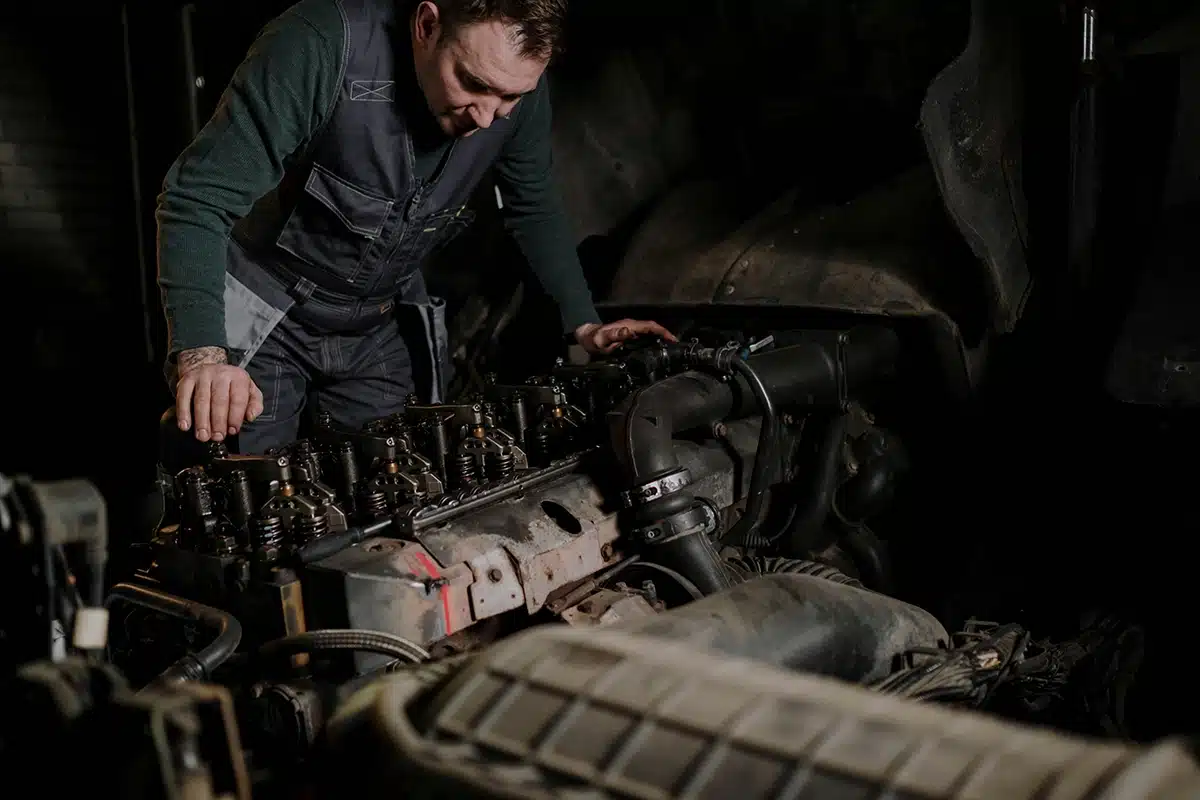
When you think about diesel truck maintenance, you probably picture mechanics working in a busy shop on engines and chassis. In 2025, that image is changing rapidly. Diesel Truck Repair is evolving as technology reshapes every step of the process, from advanced diagnostics to mobile repair solutions, which makes it faster, smarter, and more efficient.
If you are a fleet manager, the use of technology means less downtime, fewer towing costs, and simpler compliance. It also allows you to schedule maintenance proactively instead of reacting to unexpected breakdowns. The era of reactive repair is giving way to a data-driven, technology-powered approach that keeps your fleet running smoothly.
The Significance of Technology in Diesel Truck Repair
Diesel trucks are the backbone of many industries, from logistics and construction to moving and distribution. Every hour a truck is out of service can cost your business thousands in lost revenue.
Technology addresses this challenge by providing tools that improve accuracy, efficiency, and safety. Real-time data allows you to identify issues before they escalate. Automated inspections ensure compliance with DOT and ANSI regulations. Mobile repair platforms bring skilled technicians directly to your yard, saving time and avoiding the hassle of shop visits.
By embracing technology, you not only keep your fleet on the road but also gain control over maintenance costs, compliance, and overall operational efficiency.
How Technology Is Transforming Diesel Truck Repair
Technology is reshaping the way diesel trucks are serviced. Let’s see how new tools and diagnostic systems are making repairs faster, easier, and more reliable than ever before.
- Digital Diagnostics for Faster Repairs
Traditional diesel truck repairs often involved guesswork and trial-and-error. Today, digital diagnostic systems provide precise insights into your truck’s condition. These tools can identify engine issues, electronic control faults, fuel system inefficiencies, and solve problems within minutes.
With predictive analytics, technicians can foresee potential failures before they occur. For you, this means fewer unexpected breakdowns and less time spent off the road. Digital diagnostics also create detailed repair logs, making it easier to track recurring issues and improve long-term fleet performance.
- Data-Driven Preventive Maintenance
Preventive maintenance is no longer a schedule based on mileage alone. Advanced sensors and telematics allow continuous monitoring of critical components such as brakes, suspension systems, cooling, and fuel efficiency.
Whenever a sensor detects abnormal wear or performance drops, you receive alerts to schedule maintenance before the issue escalates. This proactive approach minimizes costly repairs, extends the life of your equipment, and ensures that DOT and ANSI compliance is never compromised.
- On-Site Smart Repair Solutions
Mobile diesel mechanics are no longer just bringing a toolbox to your yard. In 2025, they arrive with tablets, diagnostic scanners, and cloud-connected repair histories.
This integration enables technicians to troubleshoot problems efficiently and execute repairs on-site. You gain full visibility into each repair step and clear timelines for completion. By eliminating towing and shop delays, you save both time and money while keeping your trucks operational.
- Simplified Compliance Through Automation
Regulatory compliance has become increasingly complex. DOT inspections, ANSI checks, and emission standards require meticulous record-keeping.
Digital inspection tools automatically record results, generate reports, and track deadlines. As a fleet manager, you can approve inspections remotely and receive alerts for upcoming compliance requirements. Technology ensures that your fleet remains safe, fine-free, and fully compliant without the stress of manual documentation.
- Enhanced Technician Expertise with Technology
Modern diesel technicians combine traditional mechanical expertise with digital literacy. They work with electronic control units, emission systems, hybrid drivetrains, and advanced fuel systems.
Continuous training and access to augmented reality (AR) repair guides allow technicians to tackle complex issues efficiently. For your fleet, this translates into high-quality repairs done correctly the first time, which reduces repeat visits and minimizes downtime.
- Sustainability and Efficient Emissions Control
Environmental regulations and fuel efficiency concerns are driving changes in diesel truck repair. Emission control systems, such as Diesel Particulate Filters (DPF) and Selective Catalytic Reduction (SCR), require sophisticated cleaning, calibration, and maintenance.
Technicians now use specialized tools and diagnostic software to optimize these systems. The use of these tools reduces harmful emissions and improves fuel economy. For your fleet, this not only meets environmental standards but also lowers operating costs over the long term.
- Connected Fleet Management Platforms
Fleet management software now integrates maintenance schedules, repair histories, telematics data, and compliance tracking into a single dashboard.
You can monitor the condition of every vehicle in real time, approve repairs instantly, and track job progress remotely. This level of transparency ensures accountability, allows better decision-making, and helps maximize uptime for your fleet.
Keep Your Fleet Running with One Call
With Mobile Wrench, you do not need to worry about long shop visits or downtime. You make one call, and certified technicians arrive on-site to inspect, maintain, and repair your diesel trucks, trailers, and equipment. Advanced diagnostics, real-time updates, and data-driven maintenance ensure that your fleet stays safe, compliant, and productive.
Conclusion
Technology is no longer optional; it is the future of diesel truck repair. By embracing digital diagnostics, predictive maintenance, and on-site solutions, you protect your fleet, reduce downtime, and cut costs. Fleets that act now will stay ahead, keep trucks moving efficiently, and run smarter in 2025 and beyond.