
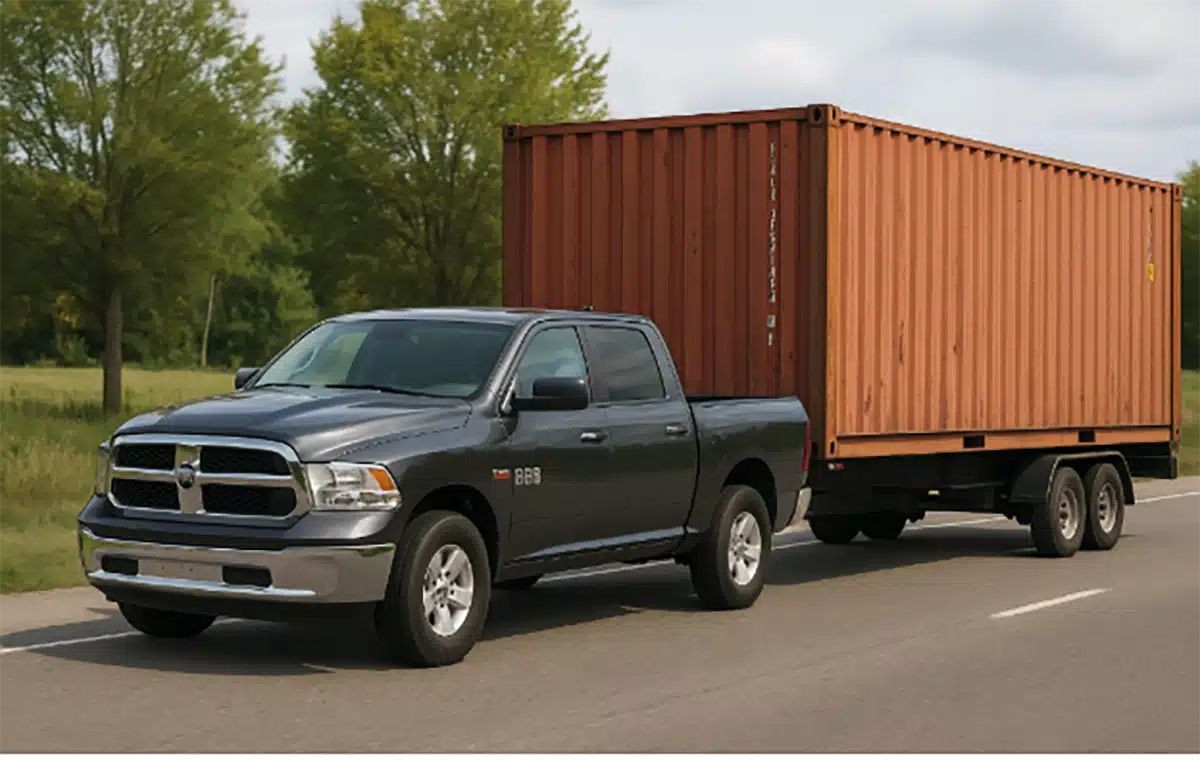
Pride among pickup truck owners in recent years is taken in having a truck that is versatile – operating it to transport construction materials one day to pulling campers one weekend. With such capability, one has to wonder if basically the same truck could be capable of towing something as gigantic as a shipping container. It is a harder question than initially thought, but one that touches upon weight limits to defining safety procedures to utilizing the correct equipment. For most small business owners, farmers, or DIY enthusiasts, new and used shipping containers for sale offer versatile storage and transport options. However, one common question arises: can a pickup truck tow a shipping container? While the idea may sound straightforward, towing a container requires understanding its weight, the limitations of your vehicle, and the logistics involved. This guide explores the key considerations pickup owners need to know before attempting such a task.
Understanding the Weight of Shipping Containers
Shipping containers are made with heavy-duty steel to withstand severe weather, piling, and lengthy voyages over sea. Such ruggedness comes with a hefty price tag:
- 20-foot containers typically weigh between 4,800-5,200 lbs
- 40-foot containers typically weigh between 8,000-9,000 lbs
- High cube containers and refrigerated specialty units can be even heavier.
When a cargo is loaded into a container, it can be significantly heavier. Even a typical 7,000-10,000 lb towing-rated pickup truck would potentially have an issue towing a loaded container.
Pickup Truck Towing Capacity: The Basics
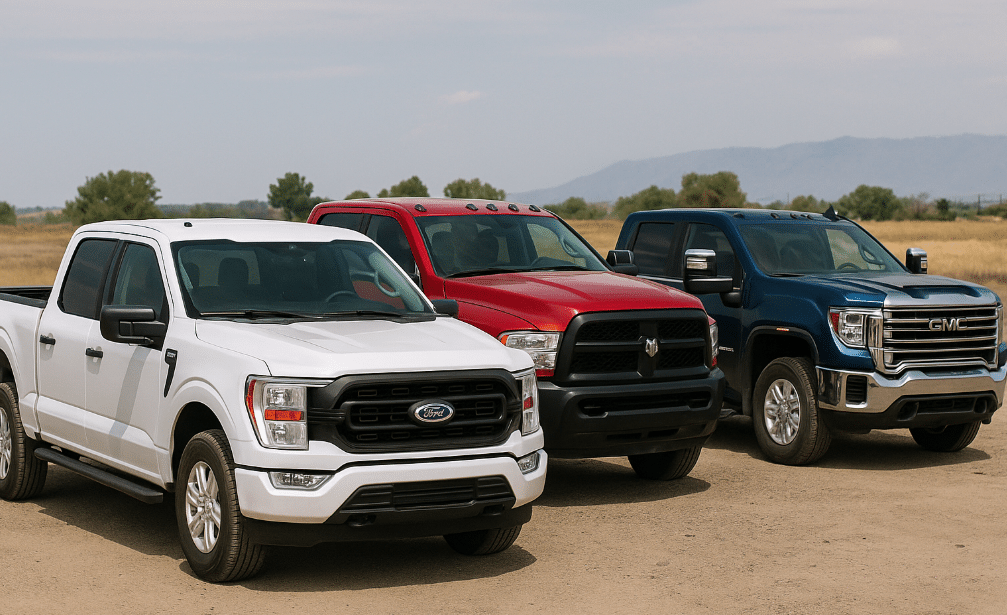
Before towing, review your pickup’s manufacturer’s towing capacity. It’s more than just the engine’s power but also frame strength, axles, suspension, and brakes.
- Half-ton pickups (Ford F-150, Chevy Silverado 1500, RAM 1500) often tow 7,000-13,000 lbs.
- Three-quarter-ton trucks (Ford F-250, RAM 2500, GMC Sierra 2500) will commonly tow 15,000-18.
- One-ton trucks (Ford F-350, RAM 3500, Chevy Silverado 3500) will pull over 20,000 lbs with necessary equipment.
While such numbers would be high enough to haul an open 20-foot container dry, practical realities such as terrain, configuration of trailer, and concerns for one’s safety reduce considerably one’s margin for safety.
Do You Need a Trailer to Tow a Container?
A pickup truck can’t just hook directly to a container. Containers don’t have hitches or wheels, so you will require a custom flatbed trailer or a container chassis to tie down and spread the weight.
- Gooseneck trailers offer stability as they are preferred for heavier loads.
- Tilt-bed trailers can simplify loading and unloading.
- Container chassis trailers are custom-built to haul containers safely.
Trying to pull a container with an improper vehicle risks causing harm to your truck as well as to the container itself, also contravening transport safety laws.
Legal and Safety Considerations
Towing a shipping container involves more than just raw towing horsepower it also involves legal controls and safety protocols that a pickup owner should give serious thought. Forgetting about these things can be a reason for a mechanical breakdown, fines, or even accidents.
Weight Limits
Every pick-up truck has a maximum towing capacity from the manufacturer. Towing a vehicle beyond such a number does not only place lethal stresses upon the motor, gearbox, and suspension but also voids your insurance cover. It can even induce catastrophic failure with horrendous results for driver and third parties.
DOT Regulations
In the United States, the Department of Transportation (DOT) has strict guidelines concerning oversized or heavy cargo. Based on the size and weight of your trailer with a container, you will be asked to have special permits, including a commercial driver’s license (CDL) or safety signage. Not doing so can be costly with fines as well as with legal troubles.
Braking Requirements
The heavier the weight, the more critical it becomes to make sure you’ve enough braking power. Many heavy duty trailers for containers include independent braking systems. Otherwise, your pickup truck is not going to stop quick enough, especially down a steep grade or if you collide with something.
Road Restrictions
Finally, not all roads can be used to transport oversized loads. City centers, residential areas, and some bridges may be restricted to trucks carrying long trailers. Truck owners thus have to be very careful with their routes, opting to take longer routes to respect city laws.
Pickup Towing Alternatives
While some determined proprietors may attempt towing with a heavy-duty pickup truck, for most events it is far more practical and financially sensible to hire professionals. Container delivery services regularly supply flatbed truck delivery using tilt-bed trucks that unload the unit directly on location effortlessly. There also are nationwide specialized trucking services available that have the right trailers, permits, and skilled operators to handle the details to transport a container safely. When one stores a container where it is hardly moved, a good percentage of individuals choose to locate it permanently or semi-permanently onsite for storage to avoid complications associated with towing. Such options avoid risks, save valuable time, and ensure complete observance of transport laws and safety measures.
Preparing a Container for Transport
If you decide to tow a container (with proper equipment), preparation is critical:
- Check for cargo balance: Distribute weight evenly inside to prevent tipping.
- Secure cargo: Use straps, blocking, or bracing to keep items from shifting.
- Inspect container condition: Ensure doors are locked, hinges are secure, and there’s no damage that could compromise safety.
- Use proper tie-downs: Chains and locks rated for container hauling are essential.
Final Thoughts
Even though trucks are strong and capable vehicles, towing a shipping container is a very specialized undertaking. An open 20-foot unit is within their grasp for a heavily loaded heavy-duty pickup truck, but economics, legality, and safety often make it sensible to have professionals manage towing. It is more prudent for most truck owners to reserve their trucks for smaller towing tasks and let transport a container to specialty machines.
While pickup trucks are tough and versatile rigs, towing a shipping container is a specialty. An open 20-foot container is within a properly powered heavy-duty pickup truck’s ability, but economics, legality, and safety often make having a professional pull the better decision.
For most pickup truck operators, though, the prudent decision is to handle smaller-scale hauls with their trucks and to leave container carrying to specialty units. If you are considering purchasing a container for storage, transport, or business purposes, weigh your options carefully. To learn more about choosing between different types, explore this detailed guide on new vs used shipping containers https://namesbluff.com/new-vs-used-shipping-containers-which-option-is-right-for-you/. Making an informed decision will help you maximize the long-term value of your investment, ensure smoother logistics, and prevent costly mistakes. Ultimately, the right approach depends on balancing convenience, budget, and safety for your specific needs.








