
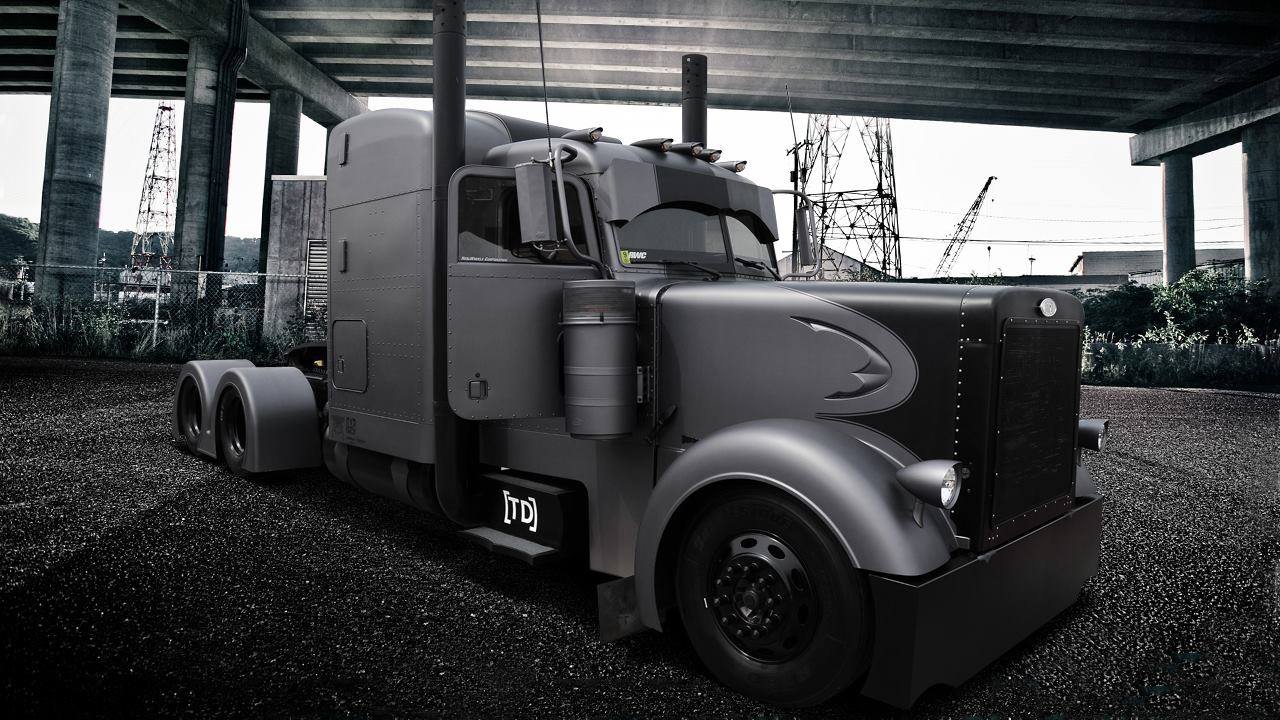
Sharing the road with a big rig is not like sharing it with another car because the physical rules of the road are different. This is due to the fact that you have size, weight, and maneuverability working against you. On the upside, the safety regulations governing those rigs are designed to compensate for all of that. Understanding these rules might just save you some commute time and aggravation while keeping you safer out on the road.
The Weighty Reality: Trucks Are Not Your Compact Car
Semi-trucks can be 20 to 30 times heavier than your average passenger vehicle. That extra mass doesn’t just make them tough to park; it means crashes involving a big rig can be way more damaging.
According to the Federal Motor Carrier Safety Administration (FMCSA), trucks have higher centers of gravity, which makes them prone to rollovers on curves or ramps.
Blind Spots and No-Zones: Your Invisible Danger Zone
Big rigs have what are called “no-zones.” These are areas where truck drivers can’t see you. Almost half of all truck–car accidents happen when cars occupy these blind spots. The key is to know the blind spots are there and to stay out of them as much as possible.
You can pass a big truck safely, but first, you must give the truck way more room than you would give another car. If a three-second gap works in the process of passing another car, get yourself five seconds to get around a bus or truck. If you can’t see the driver’s reflection in their mirror, that driver cannot see you either.
The FMCSA
The Federal Motor Carrier Safety Administration (FMCSA) issues a wall of regulations that truckers must follow. This includes driver training, drug testing, vehicle maintenance, and hours-of-service rules.
Driver Qualifications
If the truck uses a certain weight, is transporting a certain number of passengers, or has hazardous materials on board, the driver is required to have a Commercial Driver’s License (CDL) and is subject to random drug/alcohol testing and must keep a logbook.
What is a Logbook?
There are certain Hours of Service, referred to by truck drivers as simply HOS, to try to combat driver fatigue. The FMCSA limits how many hours drivers can spend on the road and mandates rest periods in an attempt to cut down on serious and sometimes deadly accidents on the highway.
For instance, a truck driver may be limited to 10 hours of driving or 15 hours on duty, with at least 8 hours off-duty before their next shift. The driver is legally required to keep track of the hours they are driving and resting in their logbooks. If they are pulled over by law enforcement, they must show their logbook to the officer. They also have to turn those records into their employer if they are driving for a specific company.
Maintenance and Compliance
Truck drivers must obey weight, size, and maintenance rules, and overweight trucks can get rerouted or fined under something called the Bridge Gross Weight Formula. These serious safety violations can lead to immediate out-of-service orders until fixed. Repeat offenders risk losing their CDL or license for up to three years.
What It All Means for Your Commute
Collisions with large trucks can have devastating consequences. In 2021, Ventura County, California alone saw 183 injuries and 2deaths from big rig accidents. Rigorous regulations are in place to raise the safety bar. These regulations include properly trained drivers, rested schedules, and properly maintained rigs.
Here’s what you can do to stay sane and safe:
• Respect the gaps and stay out of truck blind spots.
• Be careful when passing a big rig.
• Expect wide turns since big rigs need more space to maneuver.
Regulations and laws for big trucks, as well as cars, are in place to keep everyone on the road safe, but everyone must follow them.








