
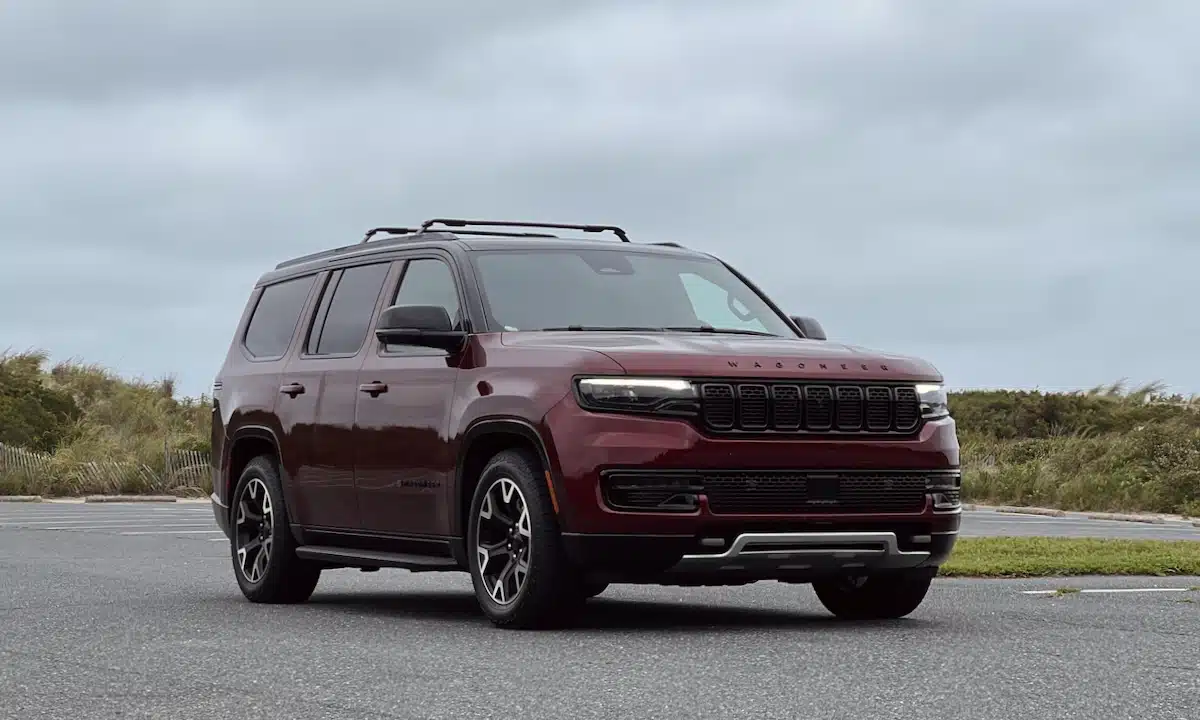
For many families, the summer road trip is as inevitable as overpacking. Pick a beach town, cram everyone into an overloaded vehicle, endure traffic, and settle into a slower, sunnier rhythm. A 2025 Wagoneer Series II Overland 4×4 was our chariot for this year’s adventure, and it impressed us in many ways—though it’s not without faults.
Over-equipped for the task
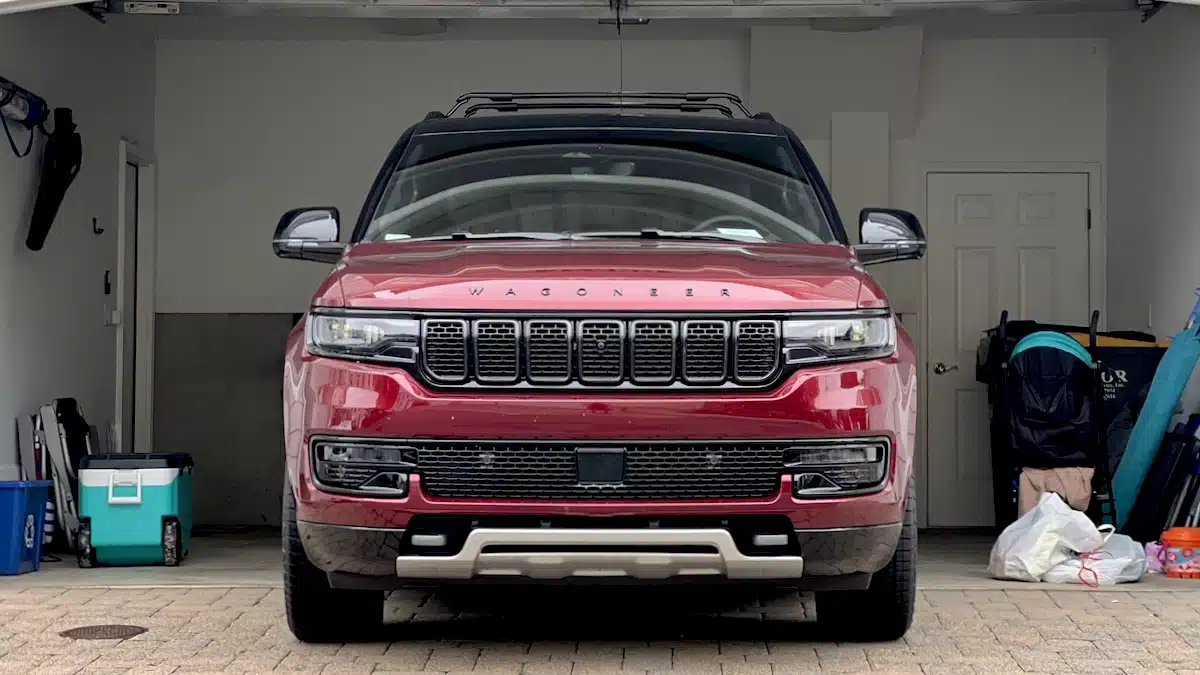
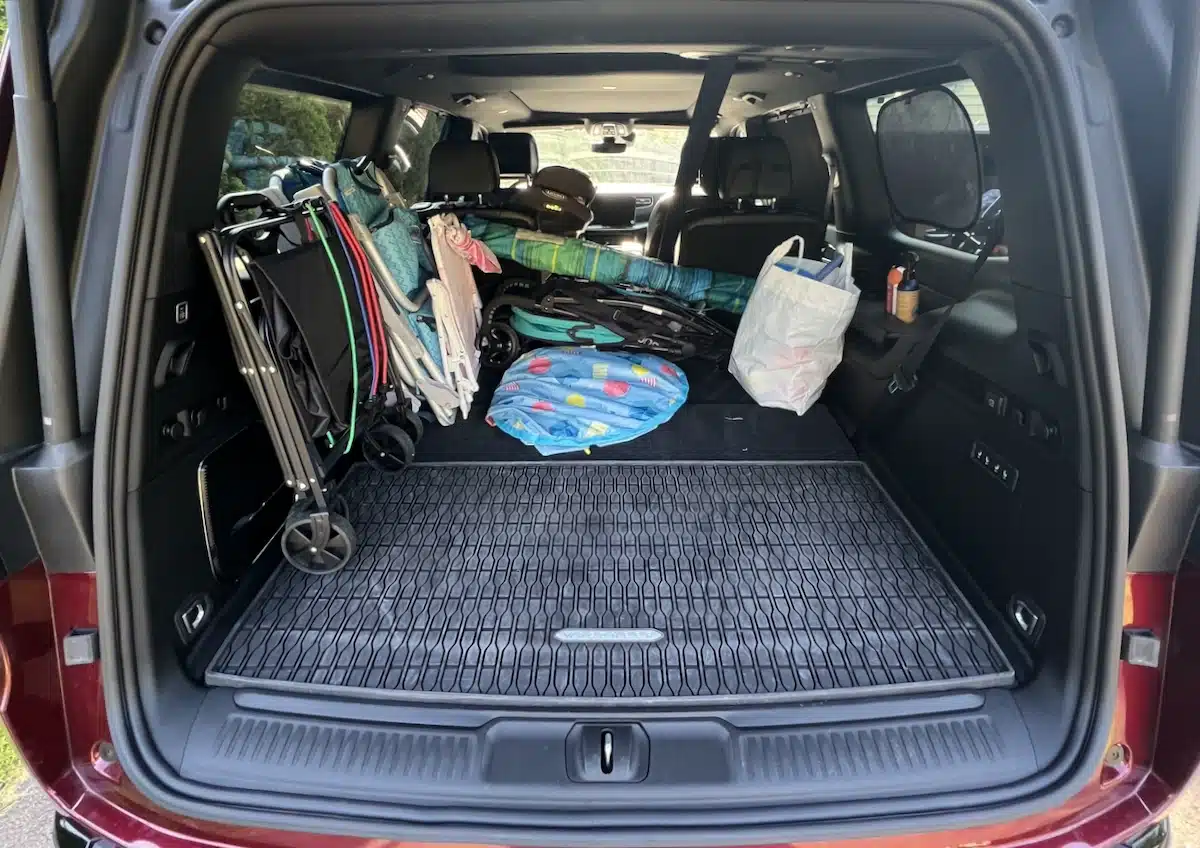
Last year’s trek was in a Chrysler Pacifica which reaffirmed my belief that minivans are, in many cases, the ultimate family hauler. But with two kids now—one a newborn—the Wagoneer’s wider, deeper cargo hold behind the second row proved more usable than the Pacifica’s, even if the latter has more space on paper. Less awkward stacking meant easier packing.
We’ve driven Wagoneers before but this was our first extended trip with one. As a vacation vehicle for a family of four, the Wagoneer almost feels like overkill—especially the Overland trim. Jeep equips this new trim with a two-speed transfer case, electronic limited-slip rear diff, 32-inch all-terrain tires, skid plates, air suspension, tow hooks, and even a Rock mode. We barely used any of it beyond adjusting ride height, though there’s comfort in knowing the hardware is there if conditions worsen. It’s an SUV with real Jeep DNA, even if most buyers will never need it.
New engine pleases but still needs work
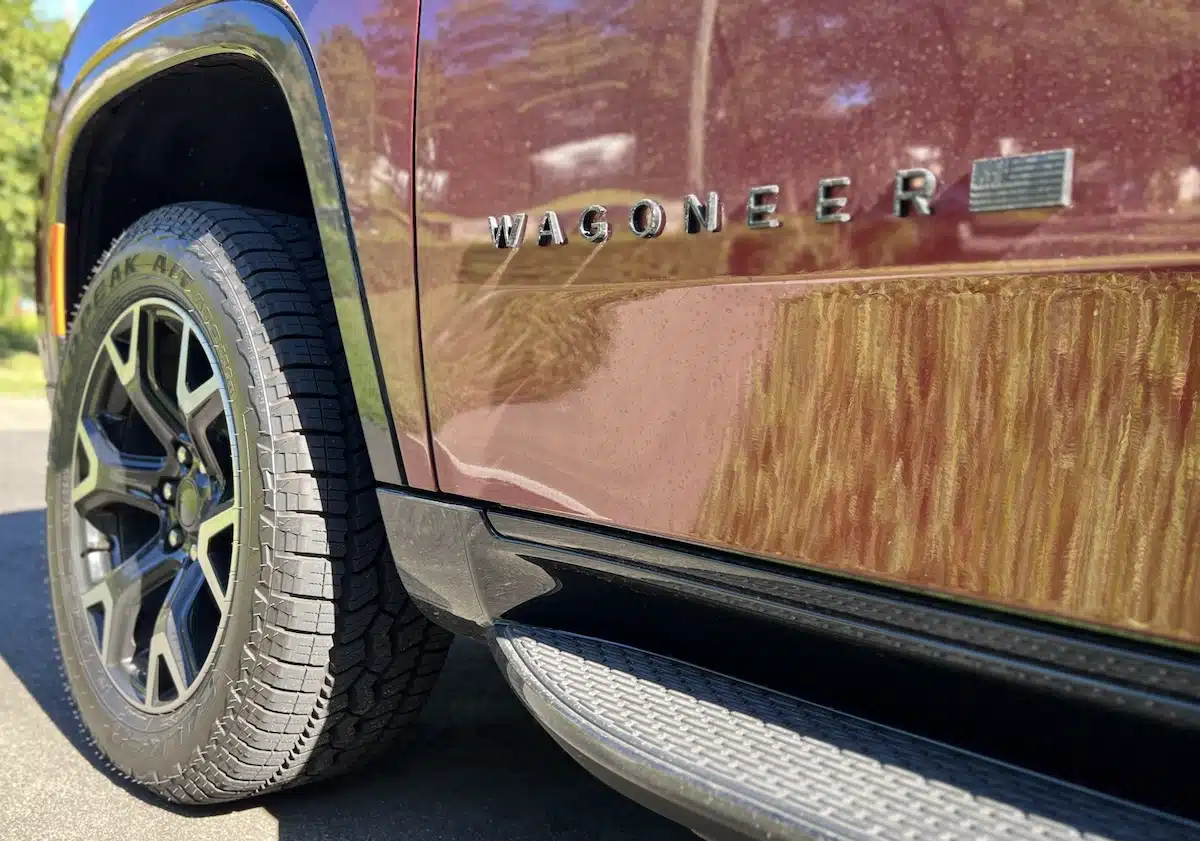
On the highway, the Wagoneer shines. It’s a relaxed cruiser, totally in its element, capable of devouring miles with ease. Yet the Overland trim’s trail-oriented tires add noise and vibration, while the roof crossbars make wind noise intrusive above 50 mph if the panoramic roof’s shade is open. Otherwise it’s impressively quiet, thanks largely to the new 3.0-liter twin-turbo Hurricane inline-six. It’s smoother than the old 6.4L Hemi V8, though not nearly as soulful. With 420 hp and 468 lb-ft, the Wagoneer has no trouble moving its 5,981-pound bulk.
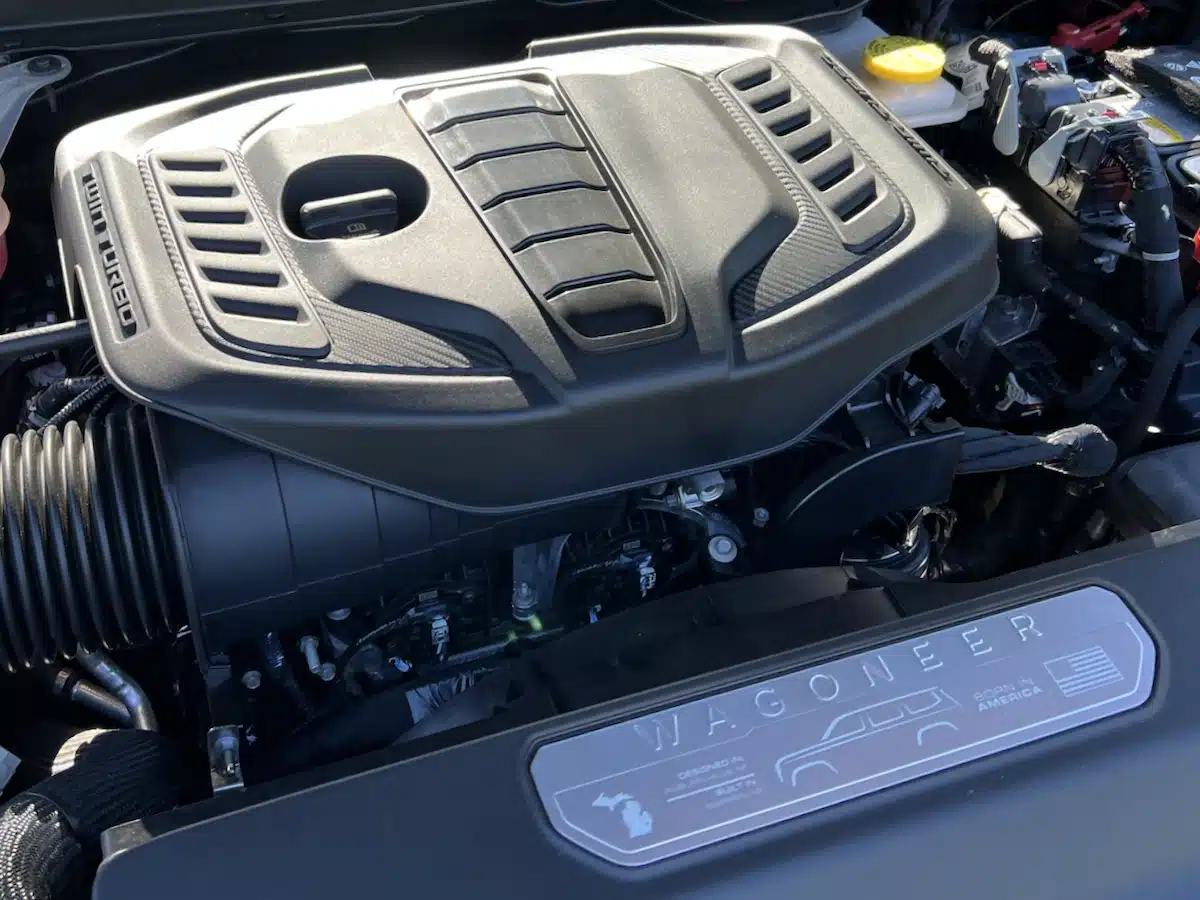
Unfortunately, throttle response is sluggish, and the 8-speed automatic fumbles in traffic. Still, fuel economy is better with two fewer cylinders: We averaged 15.8 mpg over 625 mixed miles—poor by normal standards but improved over the Hemi.
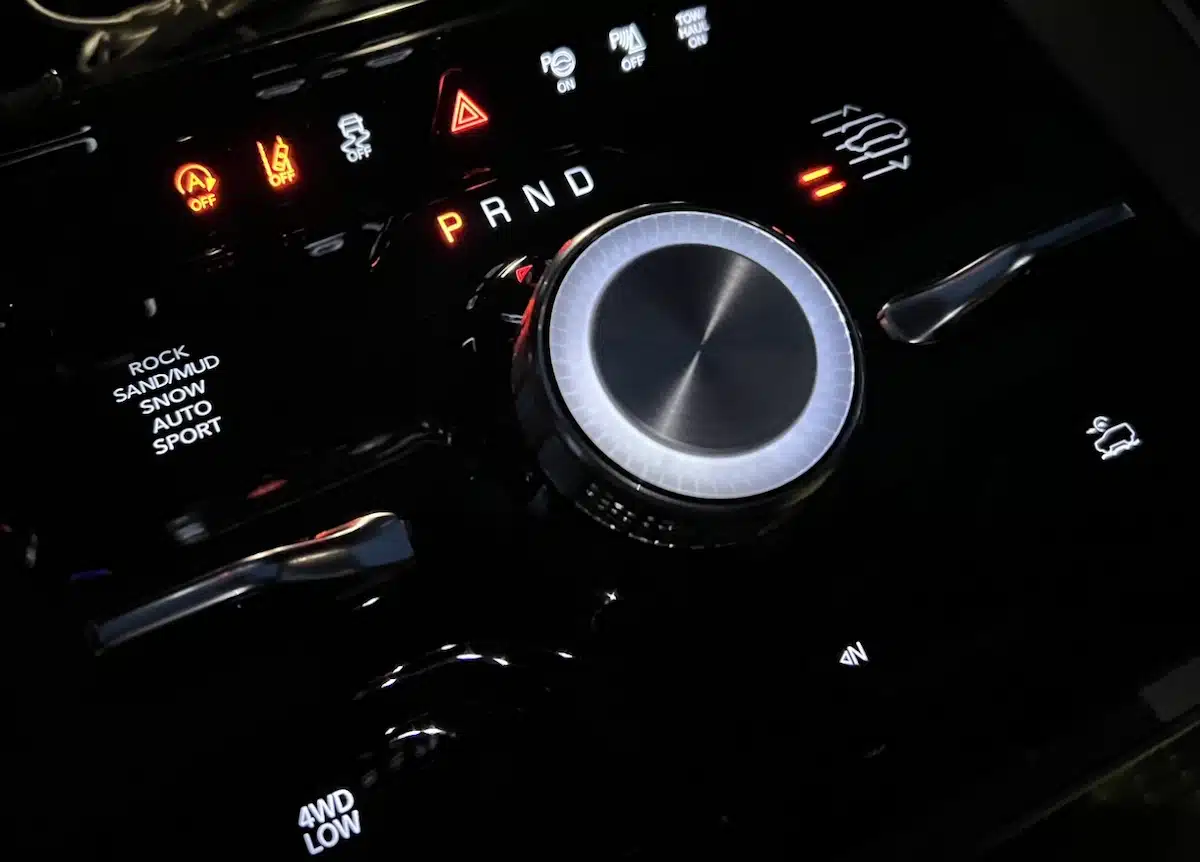
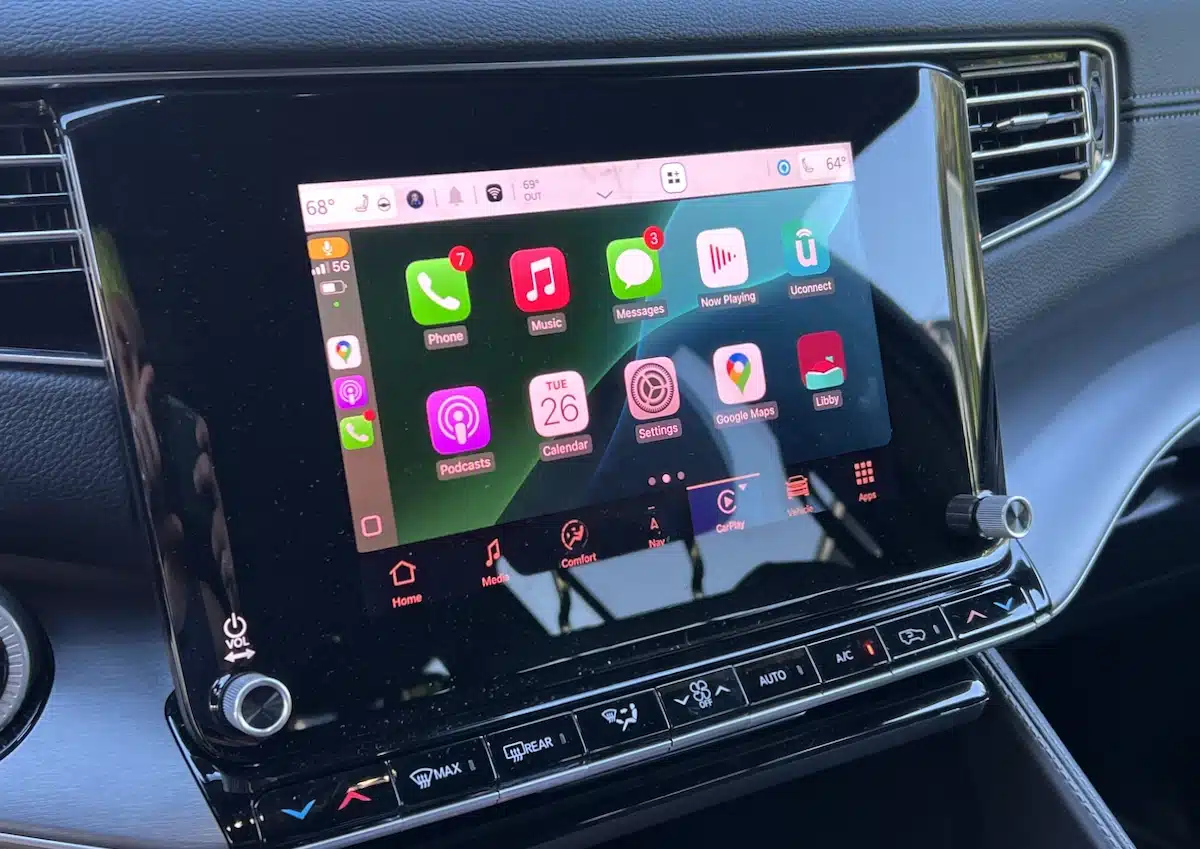
At 214.7 inches long the Wagoneer is a beast, yet it’s surprisingly easy to maneuver with a tidy 40-foot turning circle that proves especially helpful in tight beach town parking lots. The 360-degree camera is a standout, as is the intuitive infotainment system, though touch-capacitive buttons frustrate. A digital rearview mirror would also be welcome since you can’t see through cargo packed to the headliner.
Cabin for road trips, pricing to match
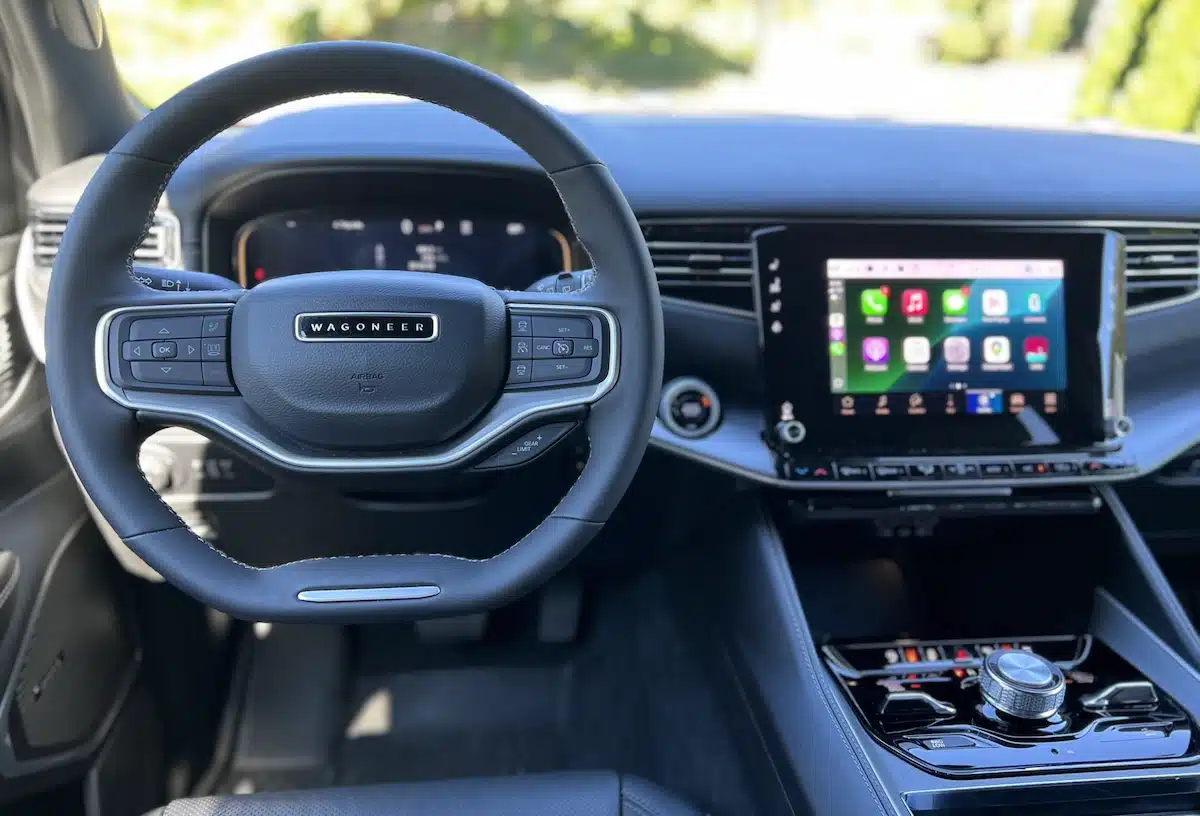
Inside, the Wagoneer is both spacious and comfortable. The seats are excellent for long hauls but could use a leg extension. The wide second row easily fits two car seats plus a middle passenger, and the flat, boxy cargo area is refreshingly usable with the third row stowed. Even compared to a minivan, the extra breathing room is appreciated on long drives. Some design choices—like the piano black trim and inconsistent touch buttons—are less endearing.
Price matters in this space, and Jeep has cut Wagoneer MSRPs to stay competitive. Our tester rang in under $81,000, comparable to rivals like the Chevy Tahoe Z71 with the 6.2L V8 ($82k), GMC Yukon Denali AT4 ($87k), Ford Expedition Tremor ($81k), Toyota Sequoia TRD Pro ($81k), and Nissan Armada Pro-4X (~$74k). Value is relative at this level, but the Wagoneer sits right in the mix, and it’s well equipped with the right stuff that buyers seek out.
Is the Wagoneer desirable?
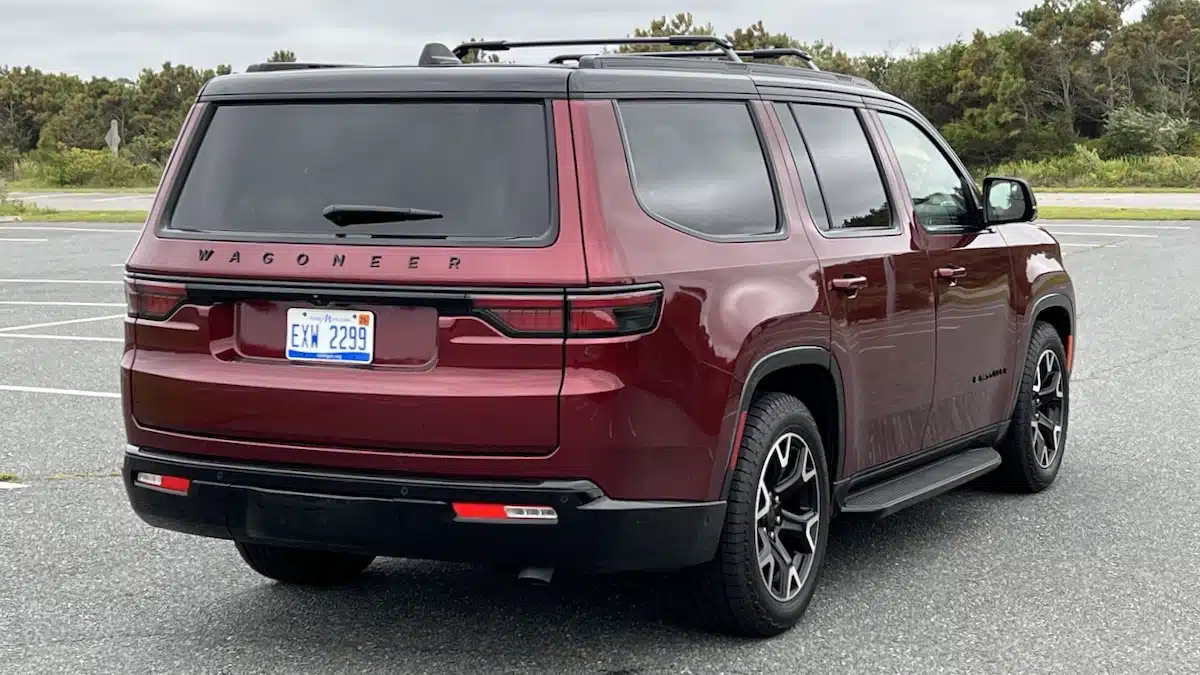
The bigger question is the intangibles. Does the Wagoneer have that “X” factor? The Hemi-powered version did, with its gruff character and presence. The new Hurricane version is smoother and more refined but lacks the same personality. It feels more anonymous, even if objectively better in some ways, which truthfully makes it better for most buyers in this space. So while it might not appeal as much to the heart, it makes more of a case for the head.
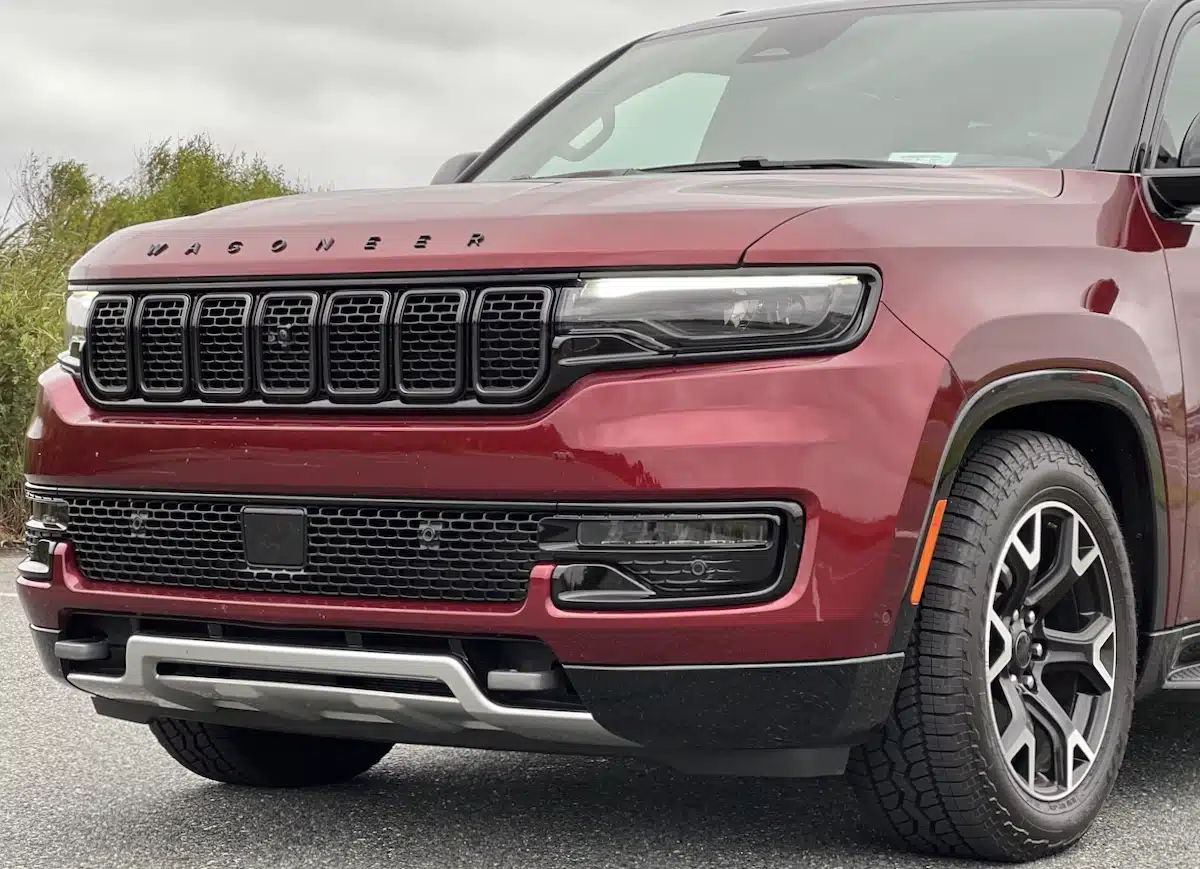
Then there’s reliability. Our tester already had a creaky driver seat, occasional harsh transmission shifts, a few rattles, and one time after using remote start it actually wouldn’t start the vehicle (it eventually did after locking it and letting it sit for a few minutes). Given Stellantis’ shaky track record, long-term durability looms large as a question mark. Thankfully there’s a warranty.
Consider us fans, though not without qualms
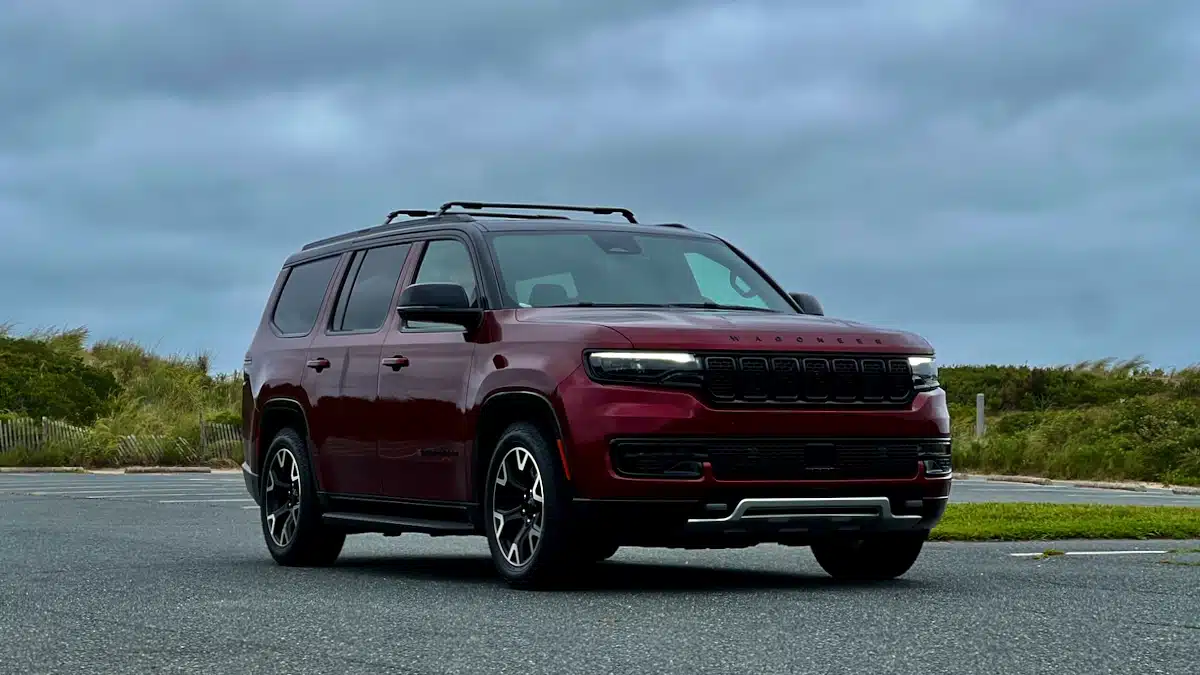
In the end, the Wagoneer Overland is a capable, comfortable, and surprisingly manageable family SUV. It makes long trips easy, hauls people and cargo without stress, and offers far more off-road capability than most owners will ever need. It may lack some soul, but it’s a well-executed machine that makes the classic family beach vacation easier than ever.








5 replies
Loading new replies...
Administrator
Administrator
Moderator
Moderator
Administrator
Moderator
Join the full discussion at the Forum Pickuptrucktalk →