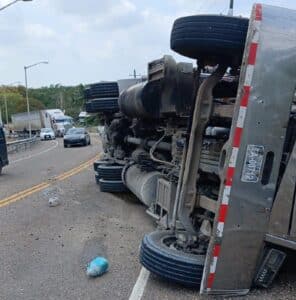

Large commercial trucks carry more than cargo. They also have valuable digital devices that record how the vehicle performs on the road. These units, often referred to as “black boxes” or electronic control modules, track mechanical and driving data that can later be retrieved and analyzed for future reference. In the aftermath of a severe collision, this information can prove invaluable. Many victims choose to find a Grand Rapids truck accident attorney who understands how to preserve and interpret black box evidence to strengthen a personal injury claim.
Unlike eyewitness recollections, which can fade, electronic data captures what was happening inside the truck during the critical seconds leading up to a crash. Understanding how attorneys utilize this evidence helps explain why it has become one of the most crucial tools in truck accident litigation.
What Information Black Boxes Collect
Truck black boxes function much like event recorders in airplanes. They gather detailed measurements about how the vehicle was operating. Depending on the model, the unit may record:
- Speed and throttle position
- Brake application and response times
- Steering wheel movements
- Gear shifts and engine performance
- Seatbelt use
- Hours of engine operation
- GPS tracking and route history
This information paints a technical picture of how the driver handled the vehicle. When compared with accident reports and physical evidence from the scene, it provides a reliable timeline that can either support or challenge witness accounts.
Showing Patterns of Speed and Driver Response
Speed is one of the most critical factors in any traffic crash. Black box data shows exactly how fast the truck was traveling at impact and whether the driver braked in time. If braking was delayed or inconsistent, it may suggest distraction, fatigue, or reckless driving. A lawyer can use this data to demonstrate that the truck driver had insufficient reaction time or failed to obey speed limits. Conversely, it can also be used to disprove arguments that the injured party was primarily at fault.
Uncovering Hours-of-Service Problems
Truck drivers are required by federal regulations to take rest breaks and limit their driving hours. Violating these rules increases the risk of fatigue-related crashes. Black box records often reveal how long the truck had been in operation, which can indicate whether a driver was on the road longer than legally allowed. Attorneys rely on this evidence to establish a connection between fatigue and negligent operation, thereby holding both the driver and the trucking company accountable for safety violations.
Detecting Mechanical Defects and Maintenance Neglect
Not every crash is caused by human error. Sometimes faulty brakes, tire blowouts, or engine issues contribute to a collision. A black box may reveal that a truck’s braking system failed to respond, or that engine warnings were triggered before the crash. When combined with service logs, this evidence may show that the trucking company skipped inspections or delayed repairs. Identifying these failures strengthens claims by demonstrating that poor maintenance directly contributed to the accident.
Challenging Insurance Company Defenses
Insurance carriers often claim that accident victims share responsibility. They may argue that a motorist changed lanes abruptly or failed to yield the right of way. Black box data can directly counter these truck claims. For example, if the truck’s data shows it was traveling far above the speed limit or failed to brake, it undermines attempts to shift blame. Lawyers present this objective data alongside witness testimony and police reports to establish a consistent and credible account of events.
Using Reconstruction Experts for Deeper Analysis
Attorneys often collaborate with accident reconstruction specialists who interpret black box data in conjunction with physical evidence to determine the cause of an accident. These experts use the numbers to recreate the crash step by step, explaining factors such as speed, stopping distance, and vehicle movement. Their analysis helps jurors and adjusters visualize exactly how the collision occurred. This technical perspective transforms raw data into a compelling narrative that supports the victim’s claim.
Acting Quickly to Preserve Electronic Data
One challenge with truck black boxes is that the information may be overwritten or erased if not retrieved quickly. Some trucking companies are reluctant to share this evidence because it may show negligence. Attorneys know how to send preservation letters and take legal steps to secure the data before it is lost or destroyed. Acting swiftly ensures that critical details are protected and available for use in settlement negotiations or trial.
Linking Black Box Data to Damages
Beyond proving liability, black box evidence also helps establish the severity of an accident. For example, showing that a truck struck another vehicle at highway speed highlights why injuries required extensive treatment and long recovery periods. This connection between impact force and medical outcomes can justify higher compensation for medical bills, lost income, and pain and suffering. Without this data, victims may struggle to demonstrate why their injuries had such serious consequences.
Why Black Box Evidence Shapes Case Results
Digital records provide a level of accuracy that no other source of evidence can match. Human memory fades, and accident reports may contain errors, but black box data records facts in real-time. Choosing to find a Grand Rapids truck accident attorney who understands how to access, preserve, and interpret this information ensures no significant detail is overlooked. In many cases, black box evidence becomes the deciding factor between a low settlement and full compensation for the harm caused.