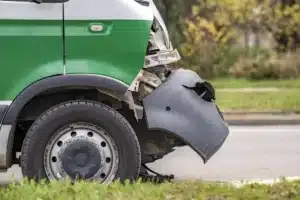

Photo by Burak The Weekender
Truck accidents can turn an ordinary day into one you will never forget. The shock alone can leave even the most seasoned driver unsure of what to do first. Whether it is a highway collision or a parking lot fender-bender, the first few hours after the tow-in are critical. Your actions in this short window can shape both your safety and your recovery down the road.
According to accident attorneys, many drivers underestimate the importance of documenting everything early. As one trusted source puts it, “Insurance companies have teams of adjusters, investigators, and attorneys whose goal is to limit the amount of money they pay out in claims” Source: Sutliff Stout. With that in mind, knowing how to protect yourself after the wreck is just as important as knowing how to handle your truck on the road.
Checking Safety First
Before thinking about your vehicle, check for injuries. Adrenaline can mask pain, so take a breath and look for signs of harm in yourself and your passengers. If anyone is hurt, call emergency services immediately. Even if injuries seem minor, medical professionals should make the call. Trucks are large and impacts can be deceptive.
If everyone is stable, make sure you are safe from further harm. Standing too close to traffic or remaining inside a damaged vehicle can increase the danger. If possible, move to a secure location nearby.
Gathering Essential Details
The hours following the wreck are when evidence is fresh. Start with the basics:
- Take photos of your truck, the other vehicles, road conditions, and any visible injuries
- Exchange information with the other driver, including insurance and license details
- Collect witness contact information if anyone stopped to help
Do not rely on your memory alone. Photos and notes carry weight if questions arise later. Think of it like capturing a snapshot of the truth before it fades.
Filing an Official Report
Even if the accident seems minor, call local law enforcement. A police report provides an official record. This report can help when filing insurance claims and may protect you if the other party changes their story later. Stay calm when speaking with officers. Share facts, not guesses.
If your truck is towed, ask where it will be taken and make sure you have the necessary paperwork to retrieve it later.
Talking with Your Insurance Provider
It can be tempting to wait until you have had a chance to calm down, but reaching out to your insurance provider quickly is important. Give them the key details and share the police report number once it is available. Stick to the facts and avoid assigning blame until investigations are complete.
Your insurance agent can guide you on the next steps, including repair options, rental coverage, or medical claims. Quick reporting helps avoid delays in getting your truck back on the road.
Keeping Organized Records
From medical visits to repair receipts, hold onto every document related to the accident. Create a simple folder—digital or paper—and drop in anything connected to the crash. These records are not only helpful for insurance claims but can also matter if legal support becomes necessary.
Keep a written log too. Short notes about symptoms, pain levels, or communication with adjusters can prove valuable later. It is surprising how fast small details slip away when daily life picks up again.
Seeking the Right Help
Handling the aftermath of a truck wreck alone can feel overwhelming. Between medical bills, insurance questions, and potential legal concerns, the process is rarely simple. Having professionals in your corner can lighten the load. For some drivers, this might mean leaning on a trusted mechanic. For others, it might involve legal support to make sure compensation matches the real costs of the crash.
If questions arise about liability or if injuries appear days later, seeking advice can provide clarity. Many firms offer free consultations, making it easy to understand your rights without commitment.
Looking After Yourself
It is easy to get caught up in the paperwork and logistics, but recovery also requires self-care. Trucks can be replaced or repaired. Your health and peace of mind need equal attention.
Get checked by a doctor even if you feel fine. Injuries such as whiplash or concussions do not always show immediate symptoms. Talk openly with friends or family about what happened. Sometimes the emotional toll of an accident lingers longer than the dents in the truck.
Planning Ahead for the Road
Accidents remind us how quickly the unexpected can happen. Use the experience to review your safety habits and preparedness. Keep a small accident kit in your truck with items like a flashlight, phone charger, notepad, and water. Review your insurance policy and consider whether it truly covers what you need.
Most of all, remember that being prepared is not about expecting the worst—it is about being ready if the worst arrives. A little planning can make those first stressful hours after a tow-in less overwhelming.

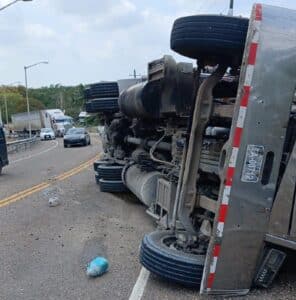
Photo by tree lee
Final Thoughts
The first hours after a truck wreck are a blur of emotions and decisions. By following clear steps—checking safety, gathering evidence, reporting, and seeking the right help—you set yourself up for smoother recovery. While no one wants to face this situation, knowing what to do can turn a chaotic day into one where you stay in control.
Accidents test more than your truck. They test your resilience, focus, and readiness. With a calm approach and a few practical actions, you can steer through the aftermath toward recovery and back to the road.