
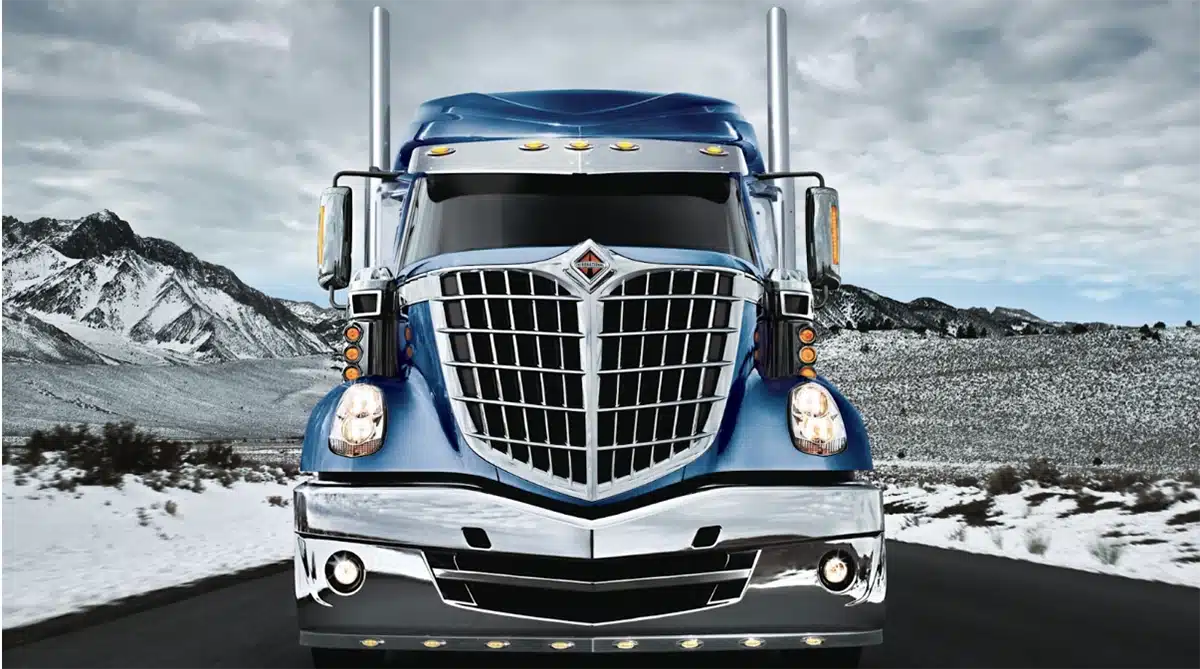
A truck is always a significant investment, even if it is used. At the same time, it is typically purchased to generate income. This means the buyer must select a truck that will more than cover the costs of purchase, maintenance, and potential repairs. It is also essential to consider the type of cargo that will be transported most frequently. Several key factors should be evaluated before making a decision.
Type of freight transport
Motor freight transport is divided into various types depending on the truck’s purpose, design, and the type of cargo:
- Flatbed trucks: versatile vehicles with an open platform for transporting a wide range of goods.
- Vans: enclosed bodies for goods that need protection from weather conditions.
- Dump trucks: trucks with a tipping body, ideal for bulk materials such as sand, gravel, or soil.
- Refrigerated trucks: insulated vehicles with cooling systems for transporting perishable goods.
- Tankers: vehicles for transporting liquids, gases, petroleum products, or chemicals.
- Road trains: tractor units with semi-trailers for carrying large volumes of cargo.
- Timber trucks: specialised vehicles for transporting logs and timber products.
- Container trucks: designed to transport standard shipping containers.
- Low-frame platforms: vehicles for oversized or heavy loads, including construction equipment.
- Garbage trucks: used for collecting and transporting household and industrial waste.
- Specialised vehicles: designed for transporting hazardous, oversized, or specific cargo, such as car transporters or milk tankers.
Each truck type is built for specific tasks and should be selected according to the nature of the cargo and the operating conditions.
If the cargo is small and standard (e.g., packaged food, industrial goods, or building materials), a light, compact truck is the most economical option. For example, a 1.5-tonne light truck with a covered body would be suitable.
For specialised cargo, it is better to choose equipment designed specifically for that purpose. Extended vehicles are available for transporting long items, while trucks with hydraulic tailgates are ideal for heavy or bulky loads. Container trucks, tankers, and other specialised vehicles are also widely available on the market to meet specific transport needs.
What should you consider before buying a truck?
There are several things you need to think about when buying a vehicle for your business or for yourself to prevent unpleasant surprises and make the appropriate choice.
First, set a budget and decide how much you can spend on a truck. Don’t forget that the price of a truck isn’t just the money you pay to buy it. Also consider insurance, maintenance, fuel, and possible repairs. Be realistic and disciplined about your budget.
Your budget will determine whether you buy a used or new truck. If your budget is limited, consider buying a used truck. It may be more affordable, but it is important to thoroughly check its condition and service history. A new truck may be less problematic in terms of technical condition but will require a larger investment.
It’s just as vital to think about the kinds of things you want to do with the car. For instance, do you need a truck to move heavy cargo or building materials, or are you seeking for a light truck to make deliveries in the city? This will assist you figure out what kind of truck you need and how big it should be. It’s similar to choosing games in an online casino. Depending on your goal, you might want a quick win or simply to enjoy the experience. You can select slots with high or low volatility, but in any case, don’t forget to make use of the Crusino no deposit bonus to get started.
Another key part of buying a business vehicle is getting spare parts and doing maintenance. Before you buy, think about how easy it will be to find spare parts and how good the service is for the truck brand you want. This will help you avoid complications later on. Make sure to look over all the important papers, like the technical passport, insurance policy, and any other legal issues that come up with your acquisition.
Criteria for choosing a truck
There are a lot of different trucks for sale today, which can make it hard for someone who doesn’t know what they’re doing to pick the proper one. A modern truck needs to be dependable, useful, and meet your needs. People usually use these vehicles to move different kinds of merchandise, and there are a lot of different sorts and models to select from. When you’re thinking about buying, it’s a good idea to look at the car based on the following factors:
- Method of use and cargo volume: Consider what kind of cargo will be transported and how much. Are special storage or transportation conditions required? Large vehicles are needed for heavy and bulky materials, such as building supplies, grain, or furniture. For fast deliveries in urban areas, a small, compact, and manoeuvrable truck is ideal.
- Type of vehicle: Popular types include vans, tankers, dump trucks, and lift trucks. The model should be selected based on the intended area of use.
- Load capacity: Using a vehicle for tasks beyond its design, such as transporting loads that exceed the permissible weight, can lead to frequent breakdowns and safety issues. The dimensions of the truck itself should also be considered.
- Fuel type: This will determine operating costs, and the environmental impact of the vehicle is also an important factor.
- Manufacturer: Well-known brands that dominate the market often offer reliable and durable trucks. Although these models may be more expensive, their quality is usually worth the investment. A high-quality truck can operate for a long time in various conditions, reducing maintenance and repair costs.
- Financial considerations: The price of a truck includes not only the vehicle itself but also insurance, fuel, and regular maintenance. Trucks are generally a significant investment, but leasing or credit options offered by leading dealerships can provide an alternative for those who do not have the funds to purchase one outright.
Tips: how to choose a reliable truck
The process of choosing a truck is quite complex, and every detail needs to be carefully considered. Experts recommend focusing primarily on the intended area of use. If the vehicle is for personal use, large trucks are usually unnecessary, as they will not pay for themselves. However, for work at industrial facilities or for international freight transport, it is better to choose a modern, large vehicle with full functionality.
After calculating your budget, you should decide on the type and condition of the vehicle. Many used trucks are available at a significantly lower cost. However, it is crucial to check the technical condition, number of previous owners, and the vehicle’s history, as used purchases can sometimes bring unexpected issues. For business purposes, it is often better to buy new, reliable, and proven vehicles. These come with warranty service and a long service life, making a new truck the safest choice.
Regarding the brand, many manufacturers offer high-quality trucks, especially European brands. They provide a wide range of vehicles for various needs and purposes. Most models are equipped with innovative technologies, ensuring long-term reliability and performance. Evaluating these factors will help you select a truck that meets your requirements and serves you efficiently for many years.