The importance of vehicle safety cannot be overstated. How well a vehicle grips the road often depends on its tires; their condition and type truly affect your safety. Your tires heavily influence how quickly your car stops. Braking distance measures the ground your vehicle covers from the instant you hit the pedal until it’s completely still. Knowing tire features and their effect on stopping helps drivers choose well.
Tire Type and Composition
Different tires are designed for various conditions and vehicle types. A tire’s make-up significantly changes how it handles. Summer tires, for instance, are crafted for warm weather and offer excellent grip on dry roads. Their softer rubber grabs the ground better. But that same soft rubber wears down quicker when it’s cold outside. It is recommended to read testimonials, including Thunderer tire reviews, to understand how it performs in all weather conditions.
Winter tires, on the other hand, are built for cold and snowy environments. Their deeper treads and soft rubber dig into cold, slick roads, giving them solid traction on ice. All-season tires strike a good middle ground, delivering fair performance in all sorts of weather. The choice of tire type directly influences how quickly and effectively a vehicle can stop.
Tread Depth and Pattern
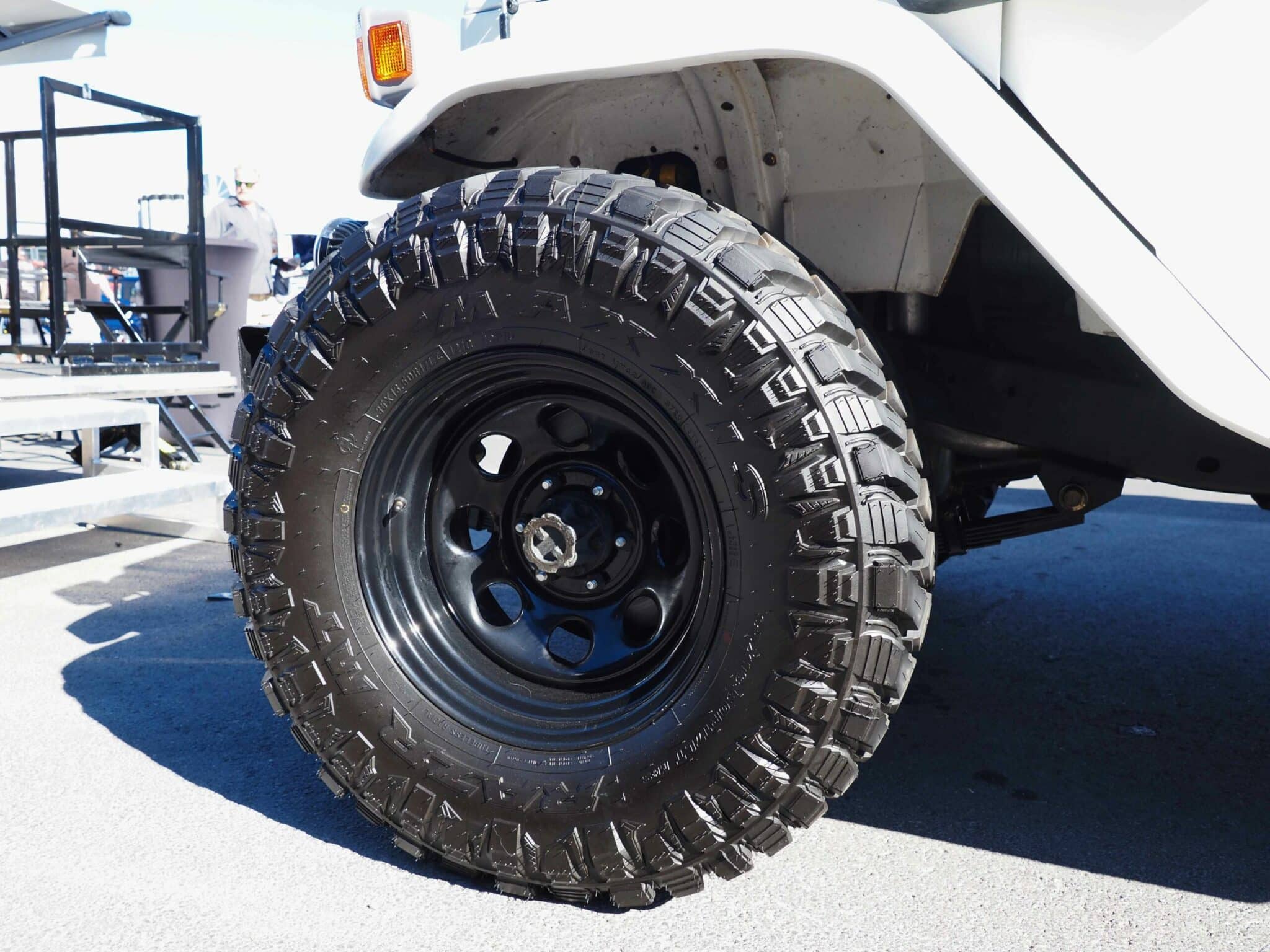
The depth and design of tire treads are critical in affecting braking performance. Tread depth refers to the vertical measurement from the rubber’s top to the deepest grooves’ bottom. Tires with deeper treads offer better traction, particularly on wet surfaces, as they can channel water away, reducing the risk of hydroplaning.
How those tire treads are shaped makes a difference. Some types push water away to keep you from slipping. Other kinds, though, are built to dig into bumpy ground, like a road made of loose stones. You’ll stop faster and drive safer when you check your tire tread regularly.
Tire Pressure
Maintaining proper tire pressure is vital for optimal braking performance. Under-inflated tires can increase stopping distance due to a larger contact patch with the road, which can cause overheating and uneven wear. But on the flip side, overinflated tires touch less road, cutting down on your grip. Both circumstances diminish a vehicle’s capacity for prompt and secure deceleration.
Regularly checking tire pressure and adjusting it according to the manufacturer’s recommendations can help maintain efficient braking performance. The right amount of air in your tires saves you gas money and allows them to wear out more slowly.
Road Conditions
The surface on which a vehicle travels extensively impacts braking distance. Wet roads make your tires slip, so stopping takes longer. Snow and ice make driving much harder because your tires just can’t grip the road. Tires designed for these conditions can help mitigate these effects, but drivers should constantly adjust their driving style to suit the environment.
Road imperfections like deep holes, scattered rocks, or inconsistent pavement influence tire effectiveness. Picking the right tires for the road ahead makes your drive much safer, and that simple choice really cuts down on the chances of a crash.
Vehicle Load and Balance
The weight and distribution of a vehicle’s load also influence braking efficiency. Heavier vehicles require more distance to stop. Uneven weight distribution can cause one side of the car to bear more load, affecting tire wear and grip. Ensuring that cargo is evenly distributed and within the vehicle’s capacity can help maintain effective braking performance.
Drivers should be mindful of the total weight, including passengers and cargo, to ensure that the vehicle can stop within a safe distance. Staying on top of routine maintenance keeps tires performing without a hitch.
Regular Maintenance and Inspection
Regular tire maintenance is essential for ensuring safety and optimal performance. Routine checks should include inspecting for wear and tear, ensuring proper alignment, and balancing. Misaligned wheels can cause uneven tire wear, which affects braking distance.
Rotating tires regularly can promote even wear, extend life, and maintain stable performance. Drivers should be vigilant about unusual vibrations or sounds, which can indicate issues that might compromise braking ability.
Wrapping Up
How fast your car stops depends on its tires. Knowing your tires’ type, tread depth, and air pressure helps you pick the right ones. That knowledge makes every drive safer. Regular maintenance and appropriate tire selection based on driving conditions are essential practices. When you take good care of your tires, you boost your safety behind the wheel. You’ll also notice your car runs smoother and uses less fuel.