
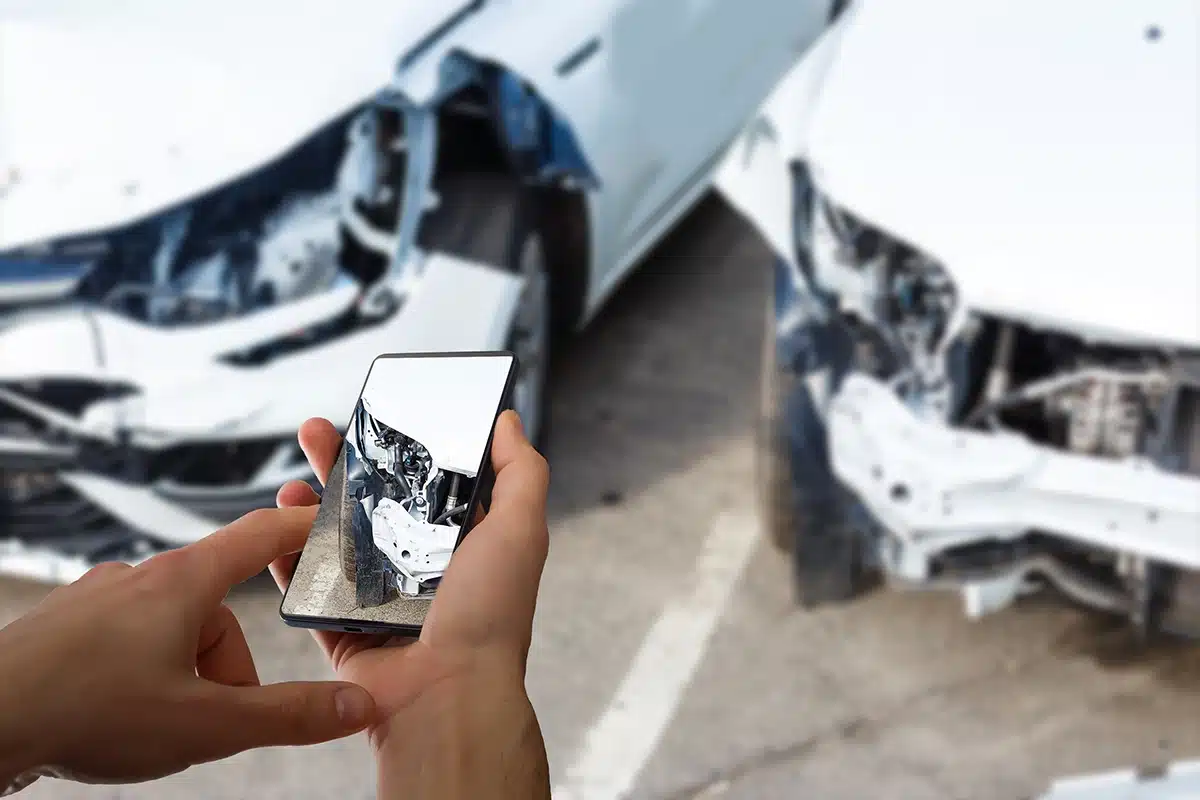
Hands-free doesn’t automatically mean danger-free, and that’s what some people fail to understand when driving around with their devices. The potential for an accident remains even without a handheld phone.
Fatalities Still Occur
Thousands of people are killed yearly due to distracted driving, with most of these statistics coming from cell phones and navigation devices. Distraction-affected fatal crashes increase by more than 1% every year. The National Highway Traffic Safety Administration (NHTSA) estimates that approximately 3,240 deaths will come from distraction-related crashes in the United States in 2025.
So, how safe are safe-tech or hands-free devices?
A False Sense of Security?
Many states, including Georgia, have “hands-free” laws restricting drivers from holding phones, texting and checking social media. According to studies, getting behind the wheel and using a hands-free device can still put you at risk. You’re not physically holding your phone, so you think you are more focused, but that is not the case. The brain cannot concentrate on driving and using a phone at the same time. These are considered complex activities, and the brain will switch back and forth trying to handle both tasks.
This is known as cognitive distraction and can result in slower reaction times and an increased risk of accidents.
Conversations Rob Attention
You’re driving hands-free and in conversation over the phone. This communication could be engaging or distracting. In turn, your focus on the road diminishes, and mistakes can take place.
Another aspect here is the type of conversation while driving. The dialogue could turn emotional or heated and impair your ability to drive safely and make good judgments on the road.
Hands-Free vs Handheld: It May Surprise You
Research has found that a hands-free cell phone option is somewhat better than a handheld cell phone while driving, but the advantages are minimal. Any call while behind the wheel is considered hazardous.
An older study by the New England Journal of Medicine (1997) discovered that using a cell phone heightened the risk of having a motor vehicle collision by four times.
Newer vehicles generally come equipped with Bluetooth technology offering voice activation and hands-free benefits. However, these assets also encourage more cell phone use in cars and could contribute to more crashes.
Even using the popular virtual assistant app Siri can be hazardous. Danish researchers found that the app was “not ready for everyday use in the car.” Siri doesn’t provide an eyes-free or distraction-free experience, especially for newer drivers.
Inattention Blindness Is Another Issue
The US National Safety Council (NSC) has found other problems for drivers who use either handheld or hands-free phones.
It doesn’t matter which option you choose; both cell phones reduce the driver’s ability to observe up to 50% of the information in their driving environment. This “inattention blindness” causes drivers to run through red lights and stop signs and miss exits.
Here’s another incredible finding: Drivers using cell phones (either handheld or hands-free) had slower reaction times than drivers impaired by alcohol at a .08 blood alcohol concentration. This is the legal BOA limit in most states across the country.
Is Safe Tech the Answer?
It doesn’t matter where you’re living in the world, people love their cell phones and enjoy using them while driving. Safe tech helps keep these devices hands-free, but these innovations still cause crashes.
The US National Safety Council would like to see technological advancements go further by preventing phone calls and text messages from being sent or received by drivers in moving vehicles. Education, policy, laws and more refined safe tech innovations need to work together to reduce crashes, injuries and deaths.








